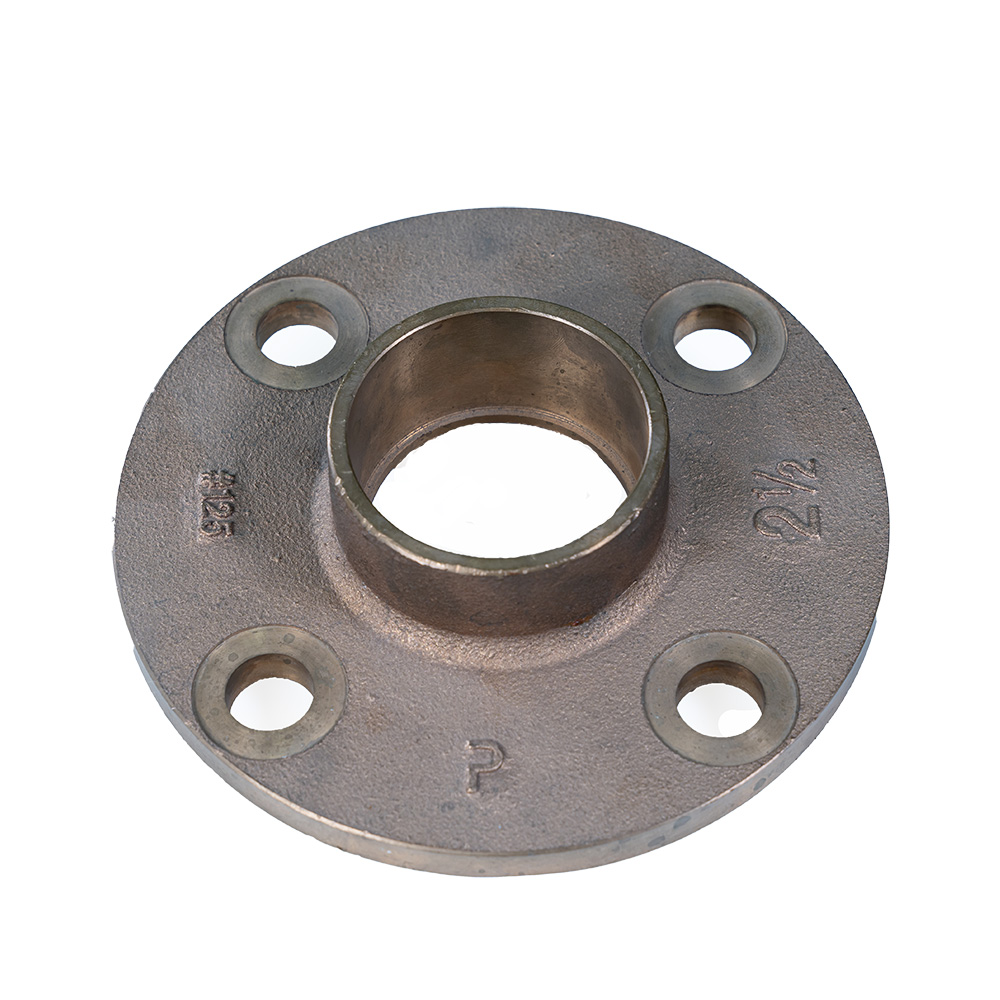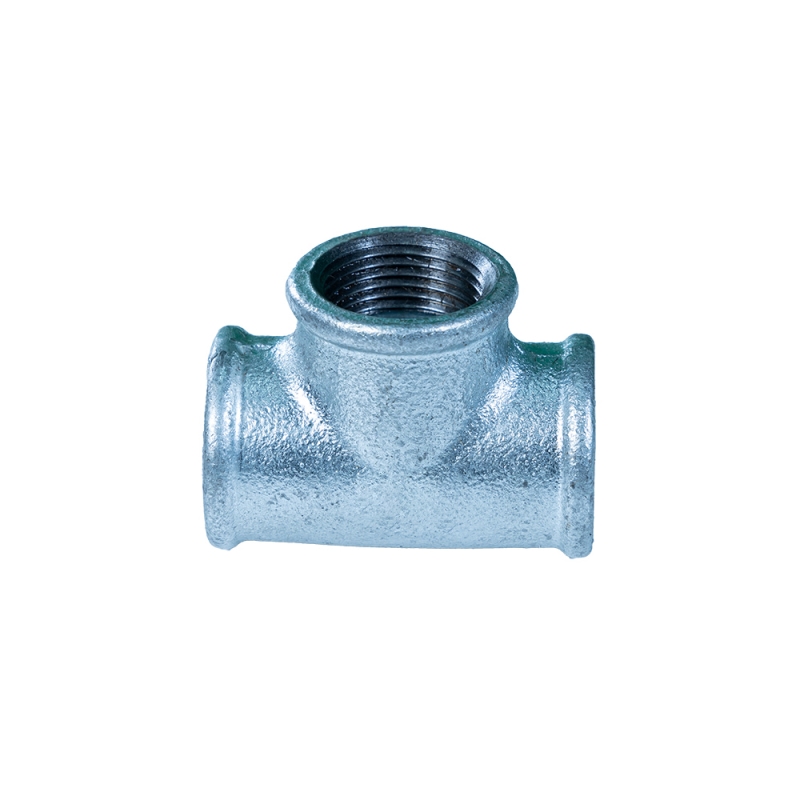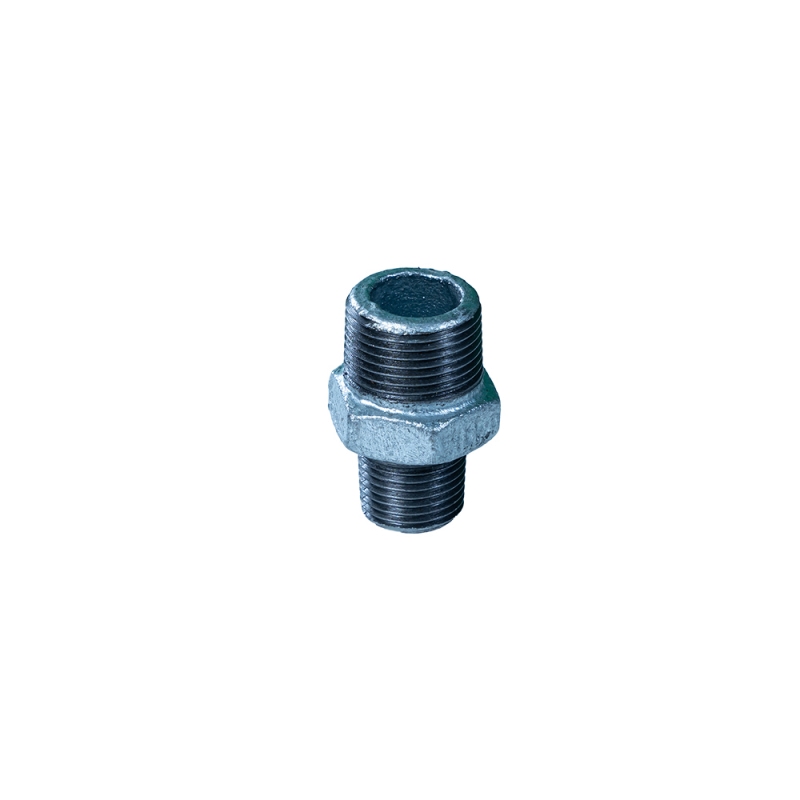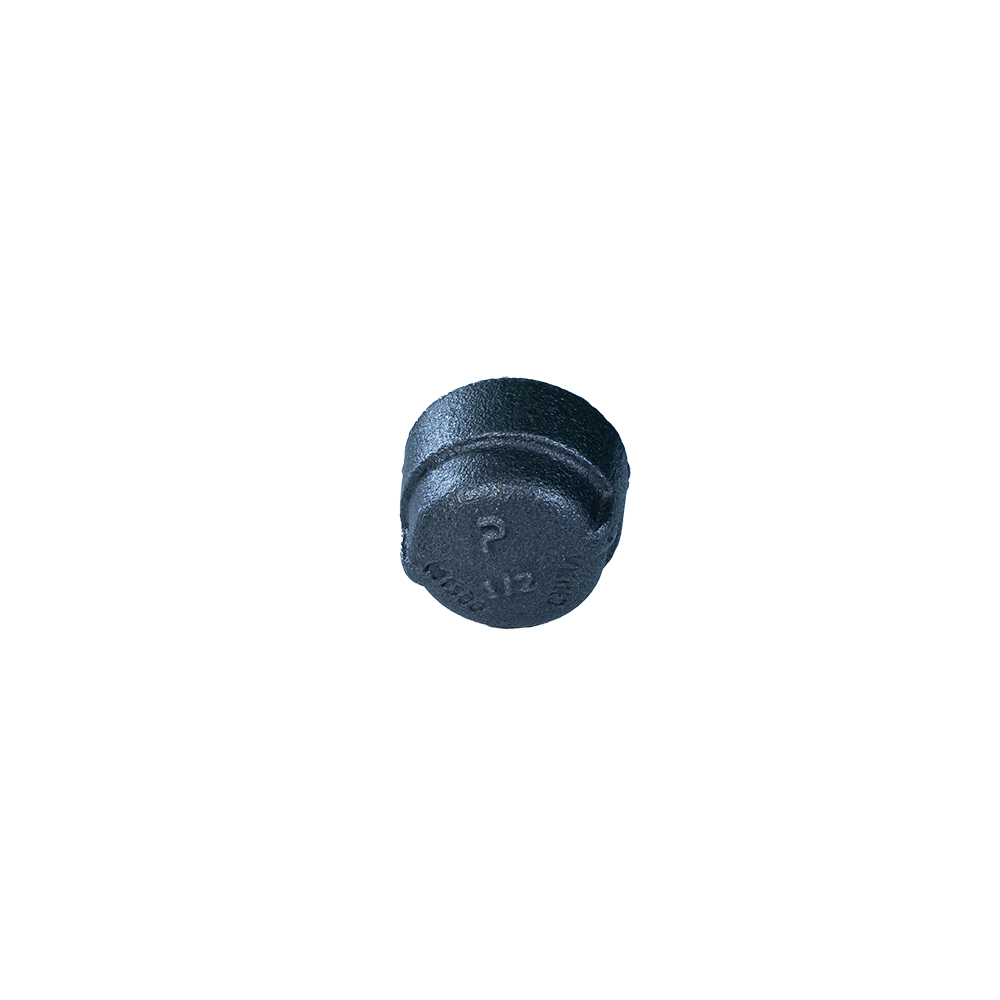

Understanding Plumbing Union Fitting: A Global Perspective
If you’ve ever peeked under a sink or behind industrial machinery, you’ve probably spotted plumbing union fittings — those unsung heroes making complex pipe setups manageable and repairable. Plumbing union fittings, frankly, are more than just connectors; they play a crucial role in facilitating easy assembly and disassembly of piping systems without cutting or welding pipes. This tiny but mighty component holds significance across industries worldwide, from home plumbing to massive infrastructure projects. Understanding it isn’t just plumbing trivia — it’s about safe, efficient, and flexible pipeline management that matters globally.
Global Importance of Plumbing Union Fittings
Globally, the water infrastructure market is expansive and growing, with an expected valuation exceeding $900 billion by 2030 (World Bank). Plumbing union fittings matter here because they drastically reduce downtime in essential utilities through easier maintenance. Oddly enough, even humanitarian efforts depend on these fittings where fast, reliable water distribution is crucial, such as disaster relief zones or refugee camps (Wikipedia). Without reliable fittings, entire systems could fail, causing costly delays and safety hazards.
Mini takeaway: Plumbing union fittings underpin global water systems and infrastructure, ensuring flexibility and rapid repairs in diverse, critical settings.
What Is a Plumbing Union Fitting?
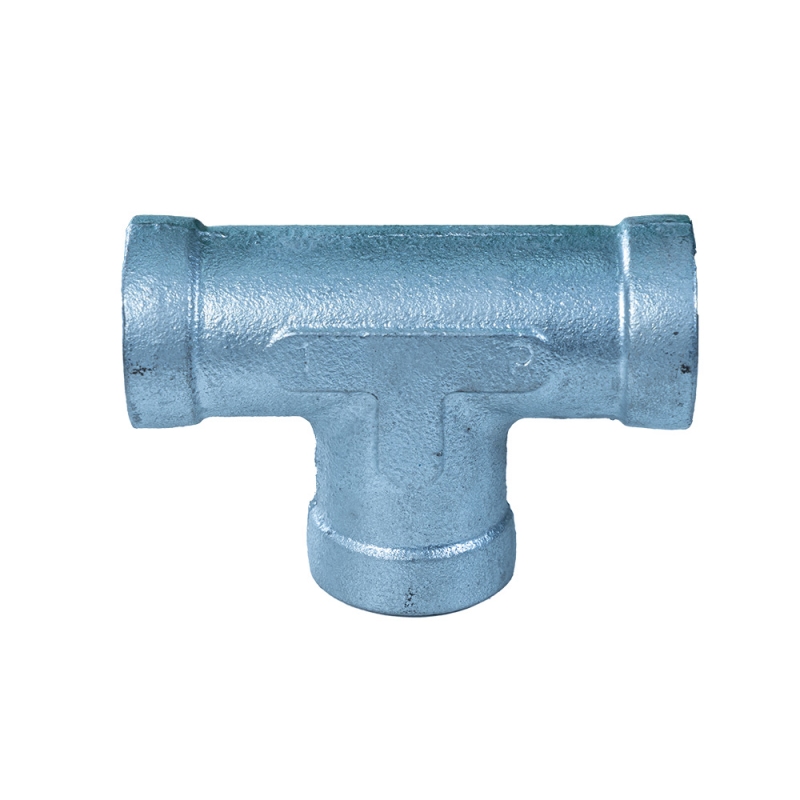
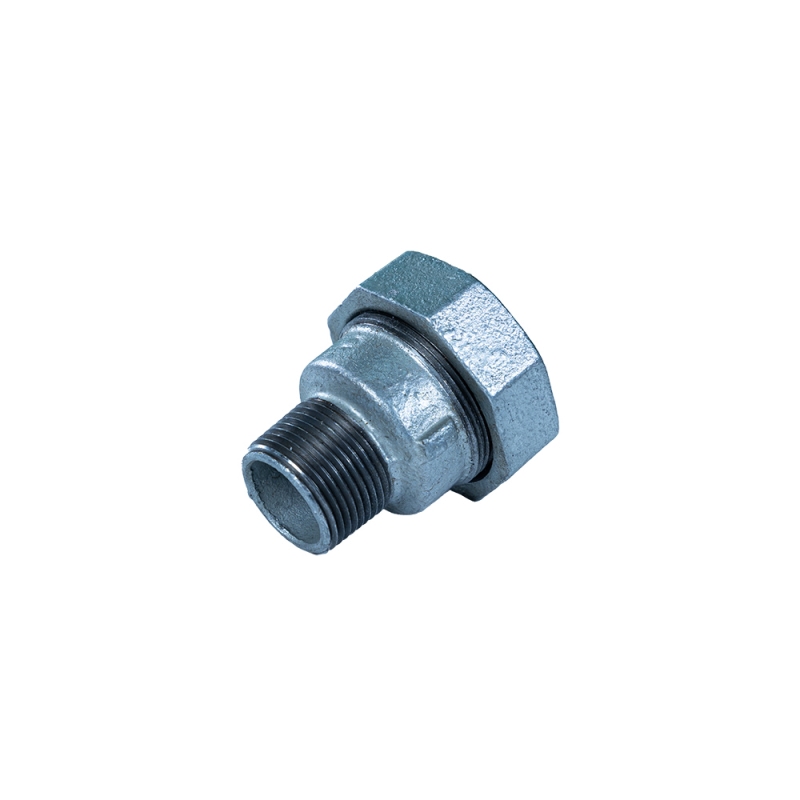
Simply put, a plumbing union fitting is a type of connector designed to join two pipes but with the unique advantage of detaching easily without damaging the pipes. This feature contrasts with soldered or welded joints, where permanent bonds make repairs tedious. These fittings typically consist of three parts: two end nuts attached to pipe ends and a central nut that tightens them together, creating a leak-proof seal. Because of this design, they’re indispensable in industrial plants, heating systems, and even in humanitarian field kits.
The connection to modern industry is clear — unions offer modularity and serviceability, which translate into quicker, cheaper maintenance and safer operations. In humanitarian contexts, quick setup and breakdown of water systems save lives, making plumbing union fittings an unheralded but essential factor.
Mini takeaway: Plumbing union fittings enable pipes to connect securely yet detach when needed, providing vital flexibility in systems worldwide.
Key Features of Plumbing Union Fittings
Durability and Material Quality
These fittings face pressure and corrosive environments, so often brass, stainless steel, or durable plastics are used. The right choice ensures longevity and prevents costly leaks or failures.
Ease of Installation and Maintenance
Because unions allow pipes to disconnect easily, they reduce labor time — no special tools or cutting needed. This ease benefits both residential plumbing repairs and large-scale industrial plant systems.
Compatibility and Scalability
They come in various sizes and thread standards (like ISO, BSP, NPT), so they fit diverse pipe types, making them highly scalable across regions and industries.
Cost-Effectiveness
Upfront costs might be a bit higher than simple couplings, but the long-term savings from reduced downtime and maintenance typically outweigh initial expenditures.
Leak Resistance
Well-designed unions create watertight seals, critical for both potable water and hazardous fluid transport, preserving system integrity and human safety.
Mini takeaway: Plumbing union fittings blend durability, convenience, and adaptability to offer reliable, cost-effective pipeline solutions.
Global Applications: Real-World Use Cases
- Industrial Plants: In chemical and power plants, unions let engineers dismantle pipe sections for inspection or modification, reducing costly shutdowns.
- Post-Disaster Relief: NGOs use unions to quickly assemble water purification units or temporary plumbing systems in disaster zones, improving access to clean water.
- Residential Plumbing: Homeowners and contractors depend on unions for easy fixture replacements—no need to cut pipes or return to suppliers.
- Remote Industrial Sites: Mining operations in harsh environments use unions for scalable water and fuel piping, ensuring maintenance can happen even amid difficult logistics.
Mini takeaway: Thanks to their flexibility, plumbing union fittings are crucial in settings from emergency relief to heavy industry, adapting to various global needs.
Advantages and Enduring Benefits
The advantages of plumbing union fittings go beyond the obvious functional logistics. For one, cost savings from minimized labor and downtime often surprise many. There’s a sustainability angle too. Less pipe cutting means less waste; durable materials mean fewer replacements. Emotionally, there’s reassurance in knowing your plumbing system won’t fail unexpectedly — especially when clean water or critical industrial fluids are involved.
Innovation and trust grow with these reliable connectors, fostering safer communities and smarter industries. It’s a practical tool with a surprisingly broad social impact.
Product Specification Table
| Feature | Brass Union | Stainless Steel Union | Plastic Union |
|---|---|---|---|
| Max Operating Pressure | 300 PSI | 600 PSI | 150 PSI |
| Temperature Range | -20°C to 120°C | -50°C to 250°C | 0°C to 60°C |
| Corrosion Resistance | Moderate | Excellent | Good (chemical resistant) |
| Installation Complexity | Low | Medium | Low |
| Average Cost per Unit | $5 - $10 | $12 - $20 | $2 - $5 |
Vendor Comparison Table
| Vendor | Product Range | Price Range | Global Availability | Lead Time |
|---|---|---|---|---|
| PanNext Fittings | Brass, Stainless, Plastic Unions | $3 - $20 | Worldwide | 5-7 days |
| GlobalPipe Inc. | Metal Unions Only | $10 - $30 | North America, Europe | 10-14 days |
| EcoFit Solutions | Plastic and Composite Unions | $1 - $8 | Asia, Africa | 7-10 days |
Future Trends: Innovations in Plumbing Union Fittings
Looking ahead, plumbing union fittings won’t just be metal clamps anymore. Privacy-aware IoT sensors could soon monitor joint integrity in real time, signalling leaks before disaster strikes. New eco-friendly composite materials reduce environmental impact and improve corrosion resistance. Sustainably sourced materials and automation in manufacturing promise smaller carbon footprints. With green energy and water management policies tightening globally, unions are evolving to fit these smarter, eco-conscious infrastructures.
Common Challenges and How Experts Suggest Tackling Them
One challenge is compatibility across diverse standards, especially in international projects. Experts recommend specifying fittings with ISO or universally recognized threads to avoid costly site mismatches. Another is corrosion in aggressive environments; advanced coatings or stainless steel grades often solve that. Installation errors also cause leaks — so ongoing training and careful selection help prevent such pitfalls. I suppose the biggest takeaway is that while simple in concept, plumbing unions demand careful attention to details to achieve the reliability we all count on.
Frequently Asked Questions on Plumbing Union Fitting
- What is the difference between a union and a coupling?
- A coupling permanently joins two pipes, often requiring cutting or welding to disconnect. A union allows pipes to be disconnected easily without damage, offering more flexibility for repairs or upgrades.
- Can plumbing union fittings be used for gas pipelines?
- Yes, but only if specifically rated for gas service and installed according to local codes. Material choice and seal design must accommodate gas requirements to ensure safety.
- How do I know which material is best for my union fitting?
- Consider fluid type, temperature, pressure, and environment. Stainless steel suits corrosive or high-temp settings; brass works well for potable water; plastics serve well for low pressure and chemical resistance.
- Are plumbing union fittings reusable?
- Generally, yes. They are designed to be disassembled and reassembled multiple times, but seals and threads should be inspected regularly to maintain leak-free connections.
Conclusion: Why Plumbing Union Fittings Matter in the Long Run
So, we’ve walked through what plumbing union fittings are and why they matter — across homes and industries worldwide. They offer unparalleled convenience, reliability, and cost savings, forming a backbone to resilient water and fluid systems everywhere. For anyone managing piping infrastructure, understanding and choosing the right union fitting isn’t just technical—it’s strategic.
If you’re ready to explore dependable, flexible solutions for your projects, I highly recommend checking out plumbing union fitting options from reliable suppliers. Because, frankly, good connections make all the difference.
Reflecting on the humble yet powerful plumbing union fitting reveals how small engineering solutions quietly sustain societies. Their resilience and adaptability truly underscore the essence of smart infrastructure.
Post time: Dec-02-2025