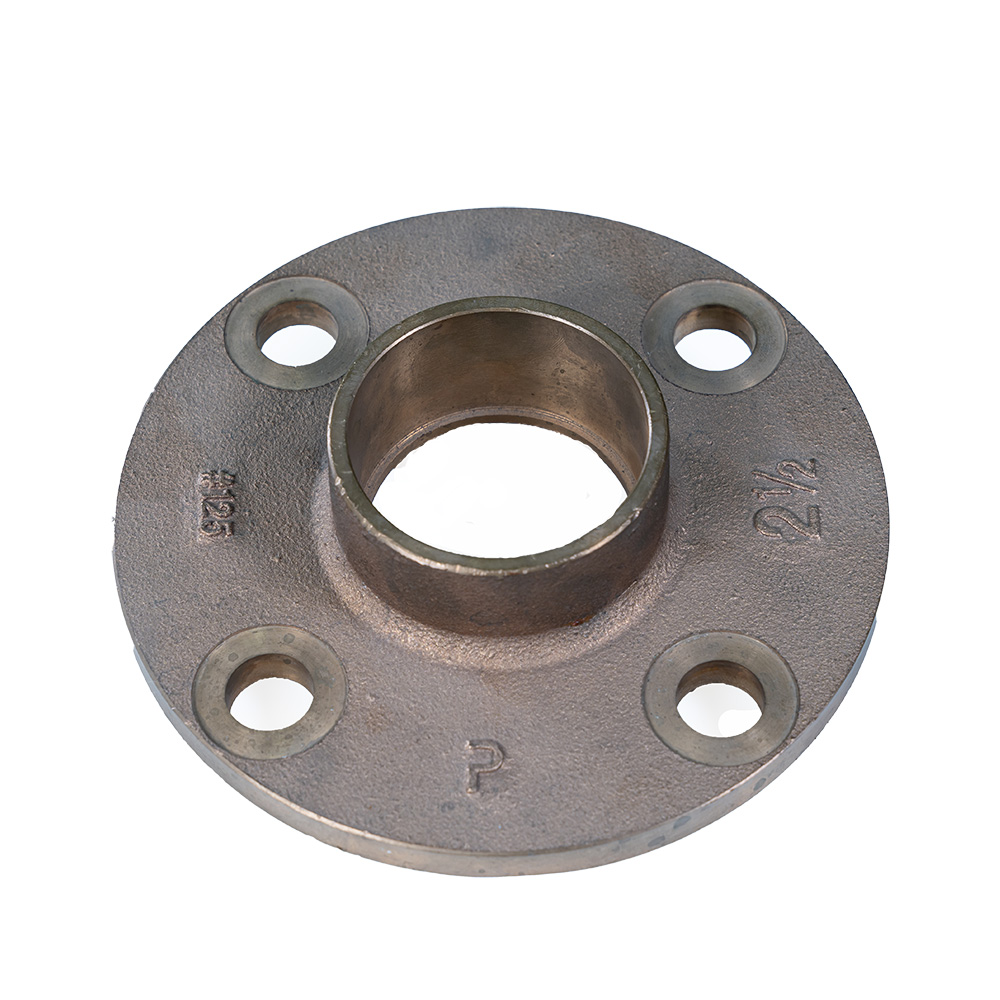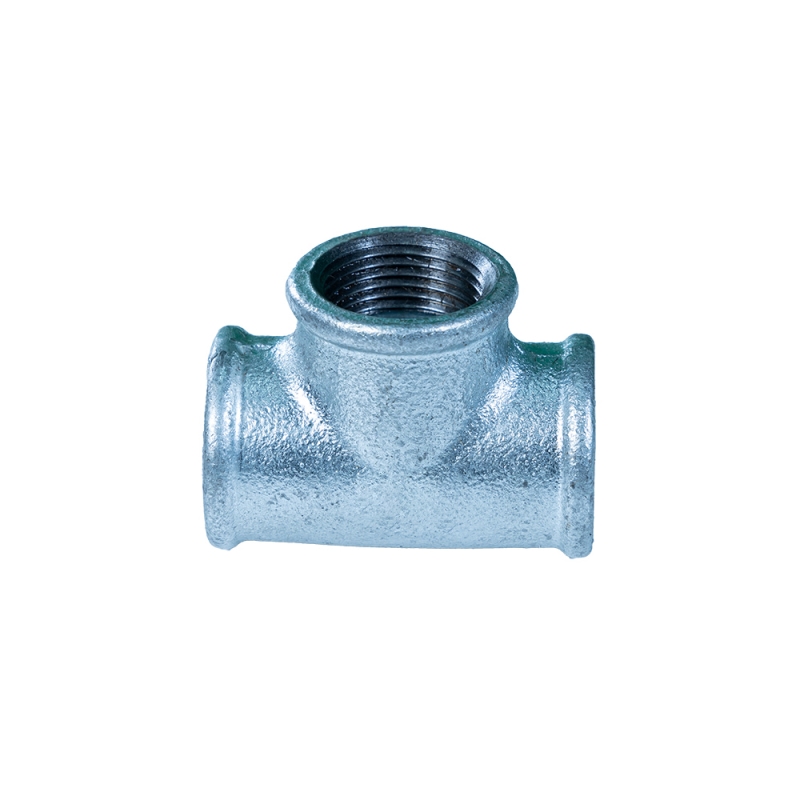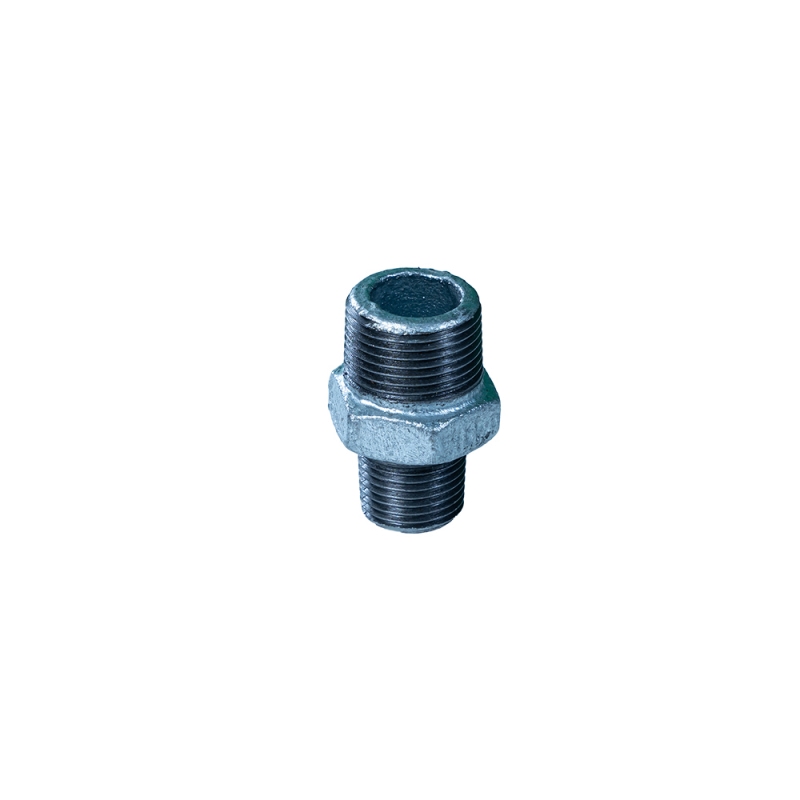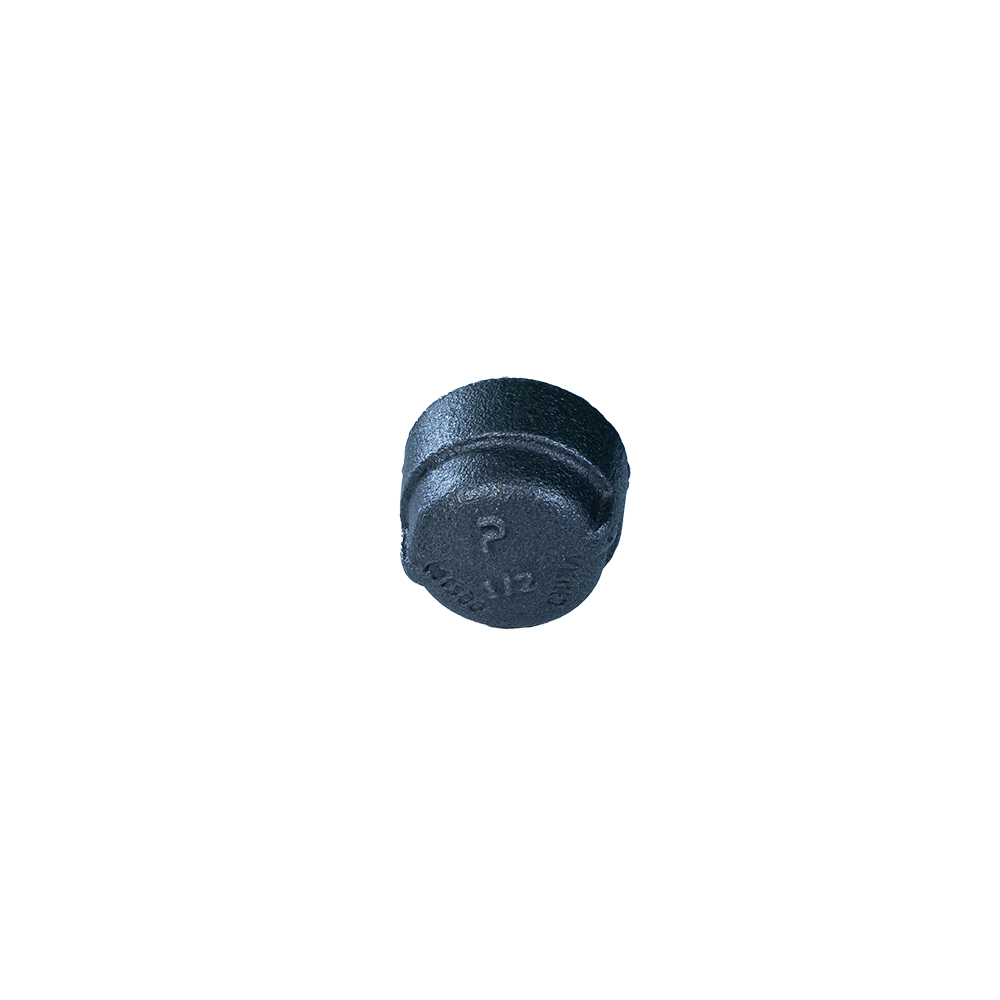

Pipe End Caps: Essential Components for a Secure Pipeline
Pipe end caps might seem like humble accessories in the sprawling world of industrial piping, but they play a surprisingly critical role. Globally, they keep our infrastructure safe from leaks, contamination, and environmental hazards. Understanding these components helps us appreciate how industries from oil & gas to water treatment maintain system integrity. Plus, grasping their benefits can even lead to smarter procurement decisions and a more sustainable pipeline lifecycle.
Introduction: The Global Footprint of Pipe End Caps
With over 2 million kilometers of pipelines worldwide — transporting everything from drinking water to petroleum — the integrity of piping systems is paramount (Wikipedia). Pipe end caps are a universal staple across sectors, often overlooked but essential to safeguarding what flows through these arteries of industry. According to ISO guidelines on pipeline systems, improper sealing at pipe ends is a leading cause of leaks, causing environmental and economic damage.1 One challenge here is the diversity of environments—extreme cold in Siberia, scorching deserts in the Middle East, or humid jungles in Southeast Asia—requiring pipe end caps to be robust yet adaptable.
Mini takeaway: Pipe end caps, while small, have outsized importance in global pipeline safety.
What Are Pipe End Caps?
Simply put, pipe end caps are fittings that cover the ends of pipes, sealing them off from external elements. Picture the way the cap of a pen protects the ink — these caps protect pipes from dirt, moisture, and mechanical damage, and help maintain internal pressure. Their usage spans industries like construction, manufacturing, water supply, and wastewater treatment. During humanitarian efforts, such as emergency water supply, pipe end caps prevent contamination and ensure safe delivery of vital resources.
Core Components & Key Factors
Durability
Materials for pipe end caps often include carbon steel, stainless steel, and plastics like PVC. Durability depends not only on the material but also on the protective coatings used. For example, marine-grade caps resist corrosion from saltwater and humidity, extending the life of pipelines in coastal regions.
Compatibility
Pipe end caps must match the diameter, pressure rating, and threading or welding standards of the piping system. Many industries adhere to ANSI, DIN, or JIS standards, so caps come in various shapes—like butt weld, threaded, or socket weld—to fit perfectly.
Cost Efficiency
While the unit price might seem minimal, selecting the right pipe end caps can reduce maintenance costs and downtime. Poorly chosen caps can cause leaks that result in costly repairs or environmental fines.
Scalability and Customization
Manufacturers increasingly offer bespoke options, including insulated caps or ones integrated with sensors for smart monitoring. This adaptability is crucial in large-scale infrastructure projects.
Mini takeaway: Durability, compatibility, cost, and customization are pillars for choosing the right pipe end caps, affecting performance and budget.Global Applications & Real-World Use Cases
Pipe end caps find themselves at home across continents and industries. In oil-rich regions like the Middle East, they're key to safely sealing pipeline ends during construction or maintenance, preventing costly leaks. In disaster zones—such as after hurricanes in the Caribbean—rapid deployment of capped pipes enables clean water distribution, a matter of life and dignity.
In mining operations in Australia, heavy-duty caps protect pipes from abrasive dust. Even urban plumbing systems, say in European cities, benefit from standard-sized caps to maintain efficient water distribution. The versatility is remarkable.
Mini takeaway: From deserts to disaster zones, pipe end caps protect infrastructure worldwide.Advantages and Long-Term Value
- Cost Savings: Preventing leaks saves on fluid loss and cleanup costs.
- Environmental Protection: Caps reduce risk of contaminant release.
- Reliability: Maintain system integrity under pressure and extreme conditions.
- Social Impact: Secure water distribution means healthier communities.
On an emotional note, it feels somewhat reassuring to know such a small component upholds safety and environmental stewardship at scale. For engineers and project managers alike, pipe end caps inspire confidence in system longevity.
Product Specifications: Typical Pipe End Cap
| Feature | Description |
|---|---|
| Material | Carbon Steel, Stainless Steel, PVC, HDPE |
| Standards | ANSI B16.9, ISO 9001 Compliant, ASTM A234 |
| Connection Types | Butt Weld, Threaded, Socket Weld, Flanged |
| Pressure Rating | 150 to 2500 PSI |
| Temperature Range | -40°C to 450°C |
Vendor Comparison: Popular Pipe End Cap Suppliers
| Vendor | Material Options | Lead Time | Customization | Pricing Tier |
|---|---|---|---|---|
| PanNext Fittings | Carbon Steel, Stainless Steel, PVC | 2-4 weeks | High - custom sizes & coatings | Mid-Range |
| Global Pipe Solutions | Stainless Steel, HDPE | 3-6 weeks | Moderate | Premium |
| EcoPipe Supplies | PVC, HDPE | 1-2 weeks | Limited | Budget-Friendly |
Future Trends and Innovations
Looking ahead, the humble pipe end cap is not being left behind by innovation. Manufacturers are integrating smart sensor technology that can detect pressure drops or corrosion signs in real time, sending alerts before failures happen. Materials science is advancing too: bioplastics and recycled metal alloys are being explored for sustainability. In regions pushing toward green energy infrastructure, like parts of Europe and China, eco-friendly pipe end caps will become the norm. Automation in manufacturing will also shorten lead times, making customized solutions more accessible.
Challenges & Solutions
Despite their importance, pipe end caps face challenges like material degradation in harsh chemicals or extreme temperature fluctuations. Sometimes, off-the-shelf caps don’t perfectly fit unique pipeline specs, risking leaks. Experts recommend partnering with vendors who offer customization and robust quality assurance processes to mitigate these issues. Field testing in representative conditions is vital. Additionally, ongoing maintenance and inspections help catch early signs of failure.
Frequently Asked Questions About Pipe End Caps
- What materials are best for pipe end caps used in coastal regions?
- Stainless steel with marine-grade coatings usually performs best in salty, humid coastal environments, resisting corrosion and extending service life.
- Can pipe end caps be reused after removal?
- Generally, caps that are not damaged or deformed can be reused, but it’s advisable to inspect them thoroughly to maintain safety and sealing integrity.
- How can I ensure compatibility between pipe caps and my existing system?
- Check the pipe’s diameter, pressure ratings, and connection type (threaded, butt weld, etc.). Consult industry standards like ANSI or DIN, and work with suppliers offering tailored solutions.
- Are plastic pipe end caps durable enough for industrial applications?
- Plastic caps, such as PVC or HDPE, are suitable for low pressure and non-corrosive conditions. For heavy industrial processes, metals tend to offer greater strength and reliability.
- Where can I find reliable pipe end caps with customization options?
- Some manufacturers specialize in custom fittings — for example, PanNext Fittings offers a variety of materials and sizes to fit specialized pipelines.
Conclusion
Pipe end caps are tiny heroes of pipeline infrastructure — quiet guardians that prevent leaks, contamination, and costly downtime. Their long-term value spans economics, environmental protection, and operational reliability. As innovations push the boundaries of materials and smart technologies, staying informed about pipe end caps can be a game-changer for engineers and procurement teams. If you want to explore quality pipe end caps tailored to your needs, I suggest visiting PanNext Fittings for more options and expert guidance.
Oddly enough, thinking about such a small piece really gives you perspective on how large, complex systems depend on simple but well-engineered components.
References
Post time: Dec-02-2025