
Understanding Iron Plumbing Fittings: Essential Components of Modern Infrastructure
Iron plumbing fittings might not be the flashiest part of building infrastructure, but frankly, they’re one of the most critical. Ever wonder what keeps water flowing in the complex grids of pipes beneath cities, or how plumbing systems can last for decades without constant repairs? That’s largely thanks to the humble but steadfast iron plumbing fittings. Their significance stretches globally, touching everything from urban water supplies to humanitarian aid projects.
Globally, access to clean water and reliable plumbing is still a pressing challenge. According to the United Nations, nearly 2.2 billion people lack safely managed drinking water at home. Effective plumbing systems are fundamental to addressing this gap. That’s where iron plumbing fittings come in—they form the backbone that ensures piping networks are both durable and dependable.
What Are Iron Plumbing Fittings?
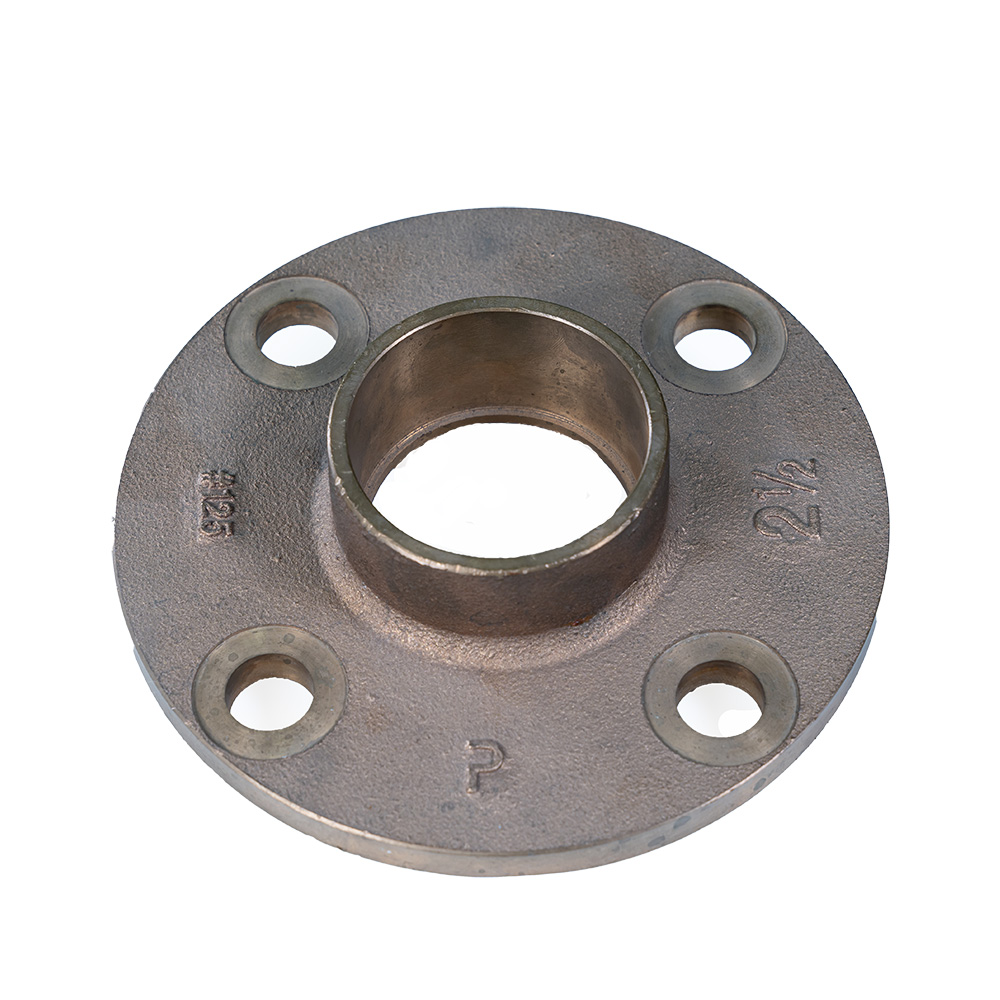
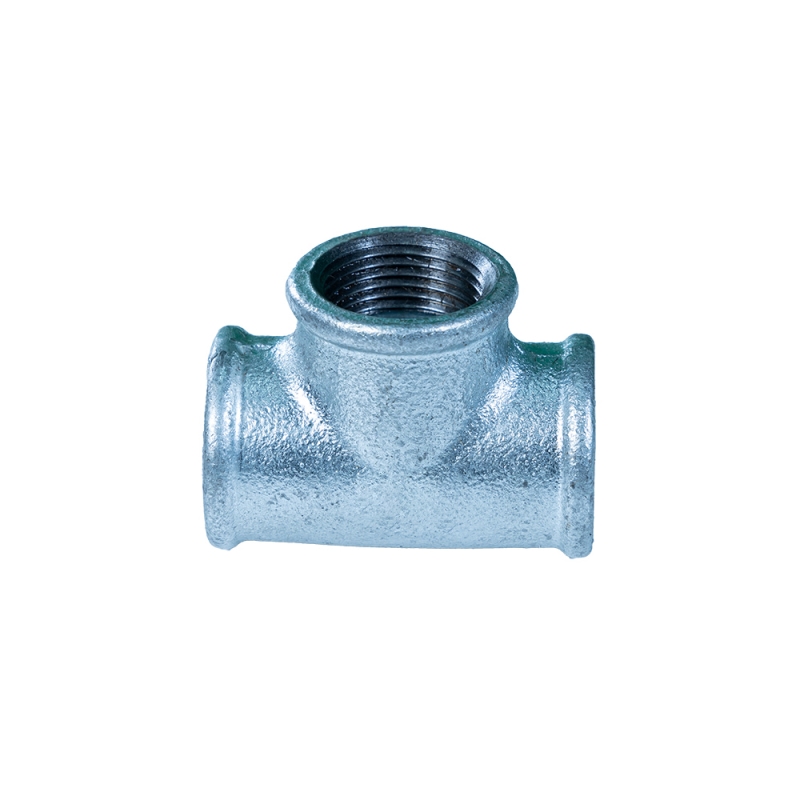
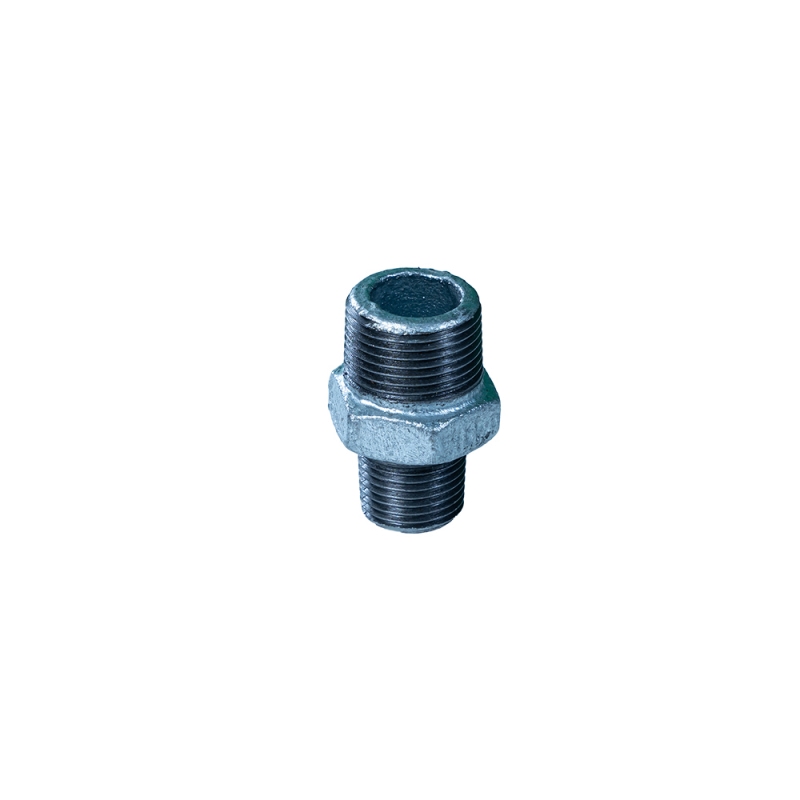
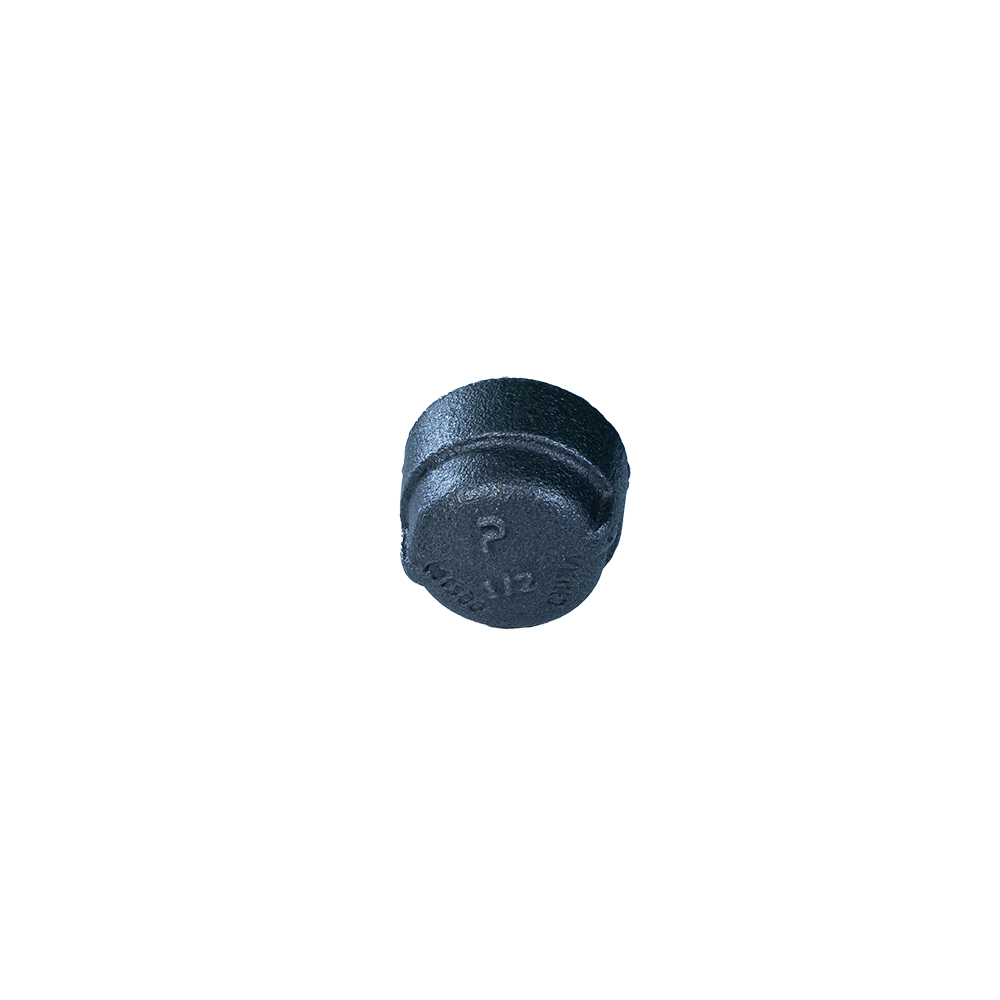
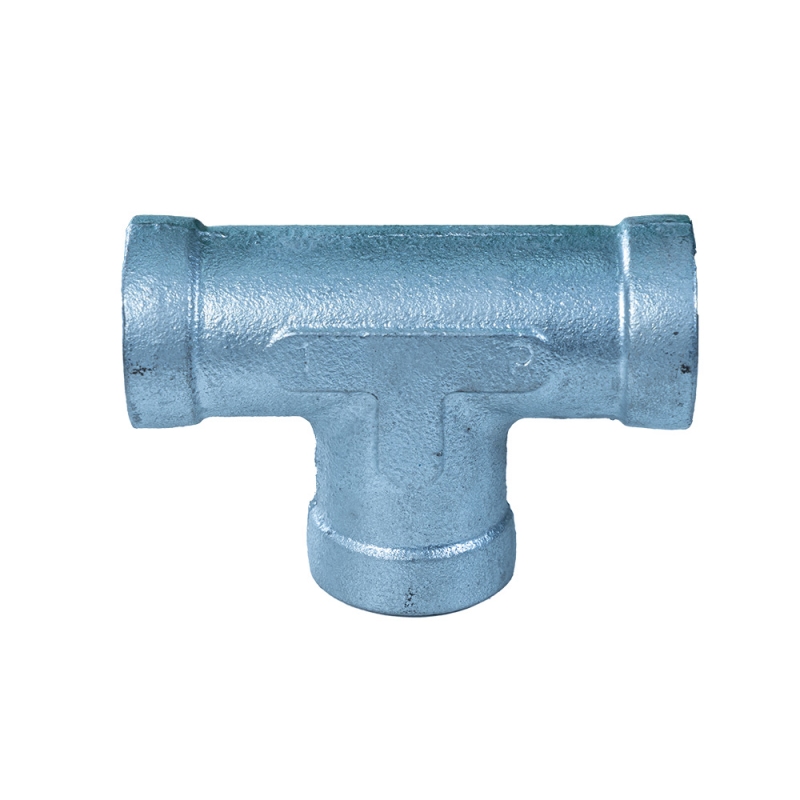
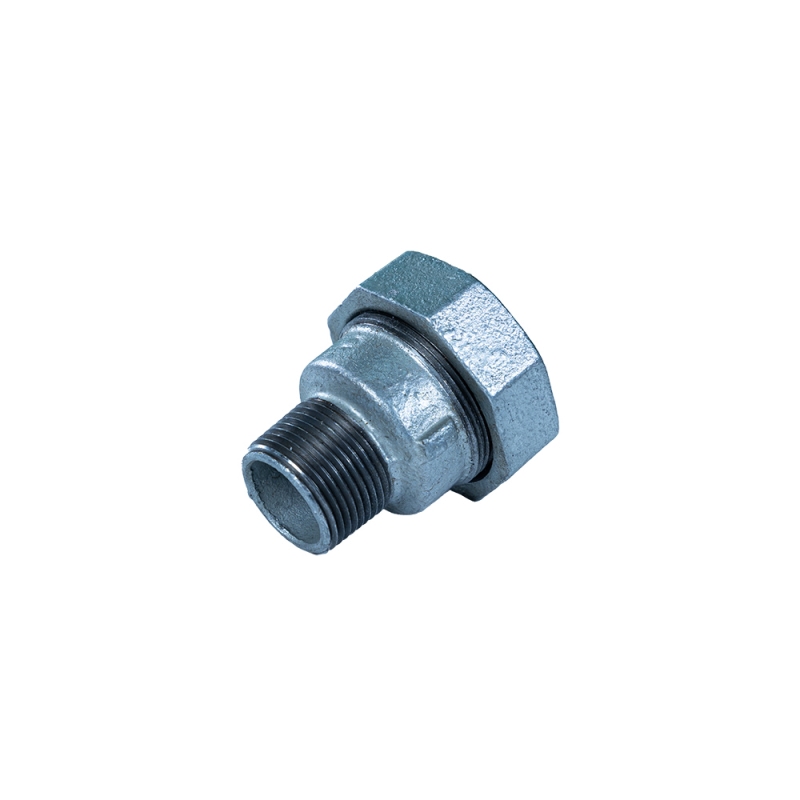
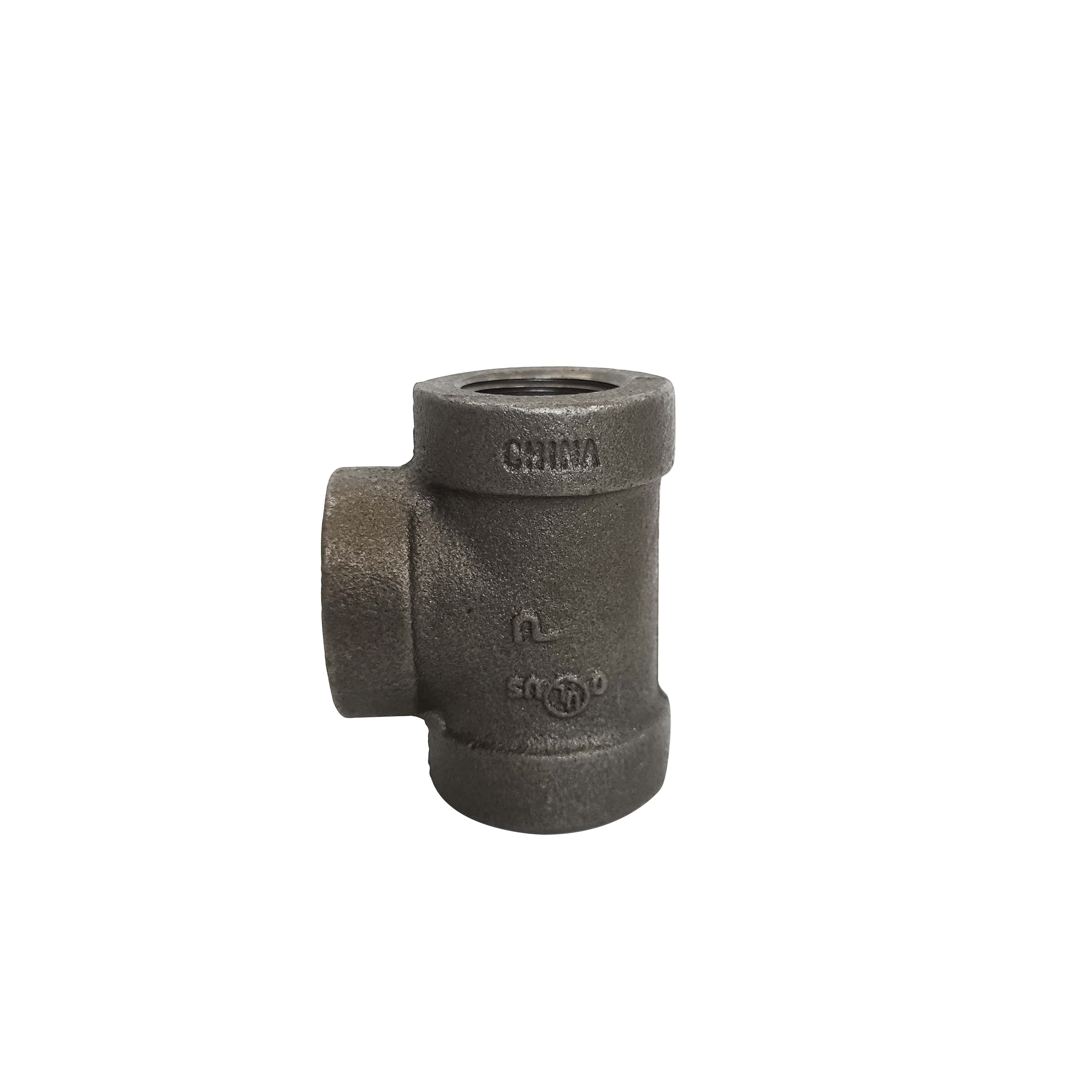
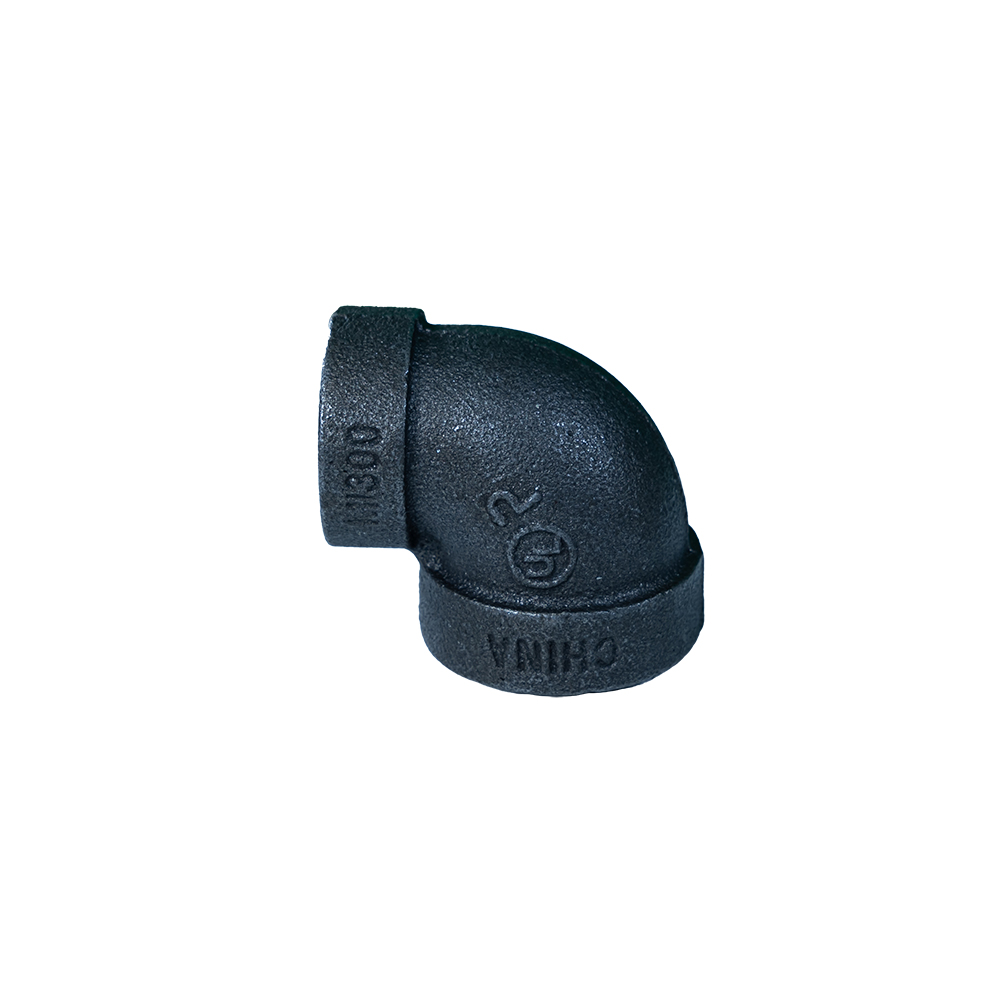
Simply put, iron plumbing fittings are the connectors, elbows, tees, flanges, and other components made primarily from iron or cast iron used to join sections of pipe or redirect flow within plumbing installations. They enable the construction of versatile piping systems capable of handling water, gas, and other fluids under varying pressures and temperatures. While plastic and copper fittings have gained popularity, iron remains valued for its strength and longevity, especially in industrial and large-scale applications.
In humanitarian or industrial contexts, where water delivery must be robust and maintenance infrequent, iron fittings often prove indispensable. They’re also key in renovating older infrastructure, as much of existing water pipework in cities worldwide still employs iron components.
Key Factors That Define Iron Plumbing Fittings
Durability and Strength
Iron, especially cast iron, is noted for its ruggedness. This means that plumbing fittings made from iron withstand high pressure and harsh conditions better than many alternatives. This durability makes them excellent in both underground city piping and industrial environments exposed to chemical fumes or abrasions.
Corrosion Resistance
While pure iron rusts, modern fittings are often coated with protective layers (like epoxy or zinc) or alloyed with other metals. This significantly reduces corrosion, extending functional life. However, it’s a trade-off: maintenance and inspection remain important to avoid leaks over long periods.
Cost Efficiency Over Time
Although initial costs for iron fittings might be higher compared to plastic, their lifespan and reliability often translate to lower total ownership costs. This factor is crucial in large municipal projects or industrial setups where disruption is costly.
Compatibility and Versatility
Iron fittings can connect with a wide range of pipe materials, including steel, copper, and some plastics, facilitating upgrades or repairs without replacing entire systems. This adaptability enables ongoing infrastructure modernization with less waste and expense.
Scalability for Large Projects
Because they handle large diameters and high pressures well, iron fittings are often the go-to choice for scaling water distribution or gas pipelines, crucial in developing urban areas or sprawling industrial facilities.
Typical Specifications of Iron Plumbing Fittings
| Specification | Standard Range | Typical Use |
|---|---|---|
| Material | Cast Iron, Ductile Iron, Mild Steel | General plumbing and industrial piping |
| Diameter | 1/2" to 24" (12.7mm to 600mm) | Residential to large-scale municipal plumbing |
| Pressure Rating | 150-300 psi (10-20 bar) | Water supply, fire protection systems |
| Connection Type | Threaded, flanged, grooved | Ease of assembly and maintenance |
| Coating | Epoxy, Zinc, Cement Mortar | Corrosion protection |
Global Applications & Use Cases of Iron Plumbing Fittings
Iron plumbing fittings find use globally, from sprawling cities in Europe and North America to emerging urban zones in Asia and Africa. One compelling example is their role in post-disaster relief infrastructure. NGOs and governments rely on durable iron fittings to rebuild water delivery systems that withstand heavy use and harsh environments. For instance, after the 2010 Haiti earthquake, the robustness of iron components helped restore essential water networks efficiently.
Industrial zones in the Middle East often deploy iron fittings in oil, gas, and chemical pipelines because of their strength under pressure and resistance to extreme temperatures. Similarly, municipal projects in the US and EU favor ductile iron for water mains due to its balance of flexibility and toughness.
Advantages and Long-Term Value of Iron Plumbing Fittings
- Cost-Effectiveness: Installation may be pricier upfront, but durability and fewer maintenance calls lower lifetime costs.
- Sustainability: Iron fittings have much higher recyclability compared to PVC or other plastics, supporting greener infrastructure.
- Reliability: They withstand shocks, vibrations, and pressure surges, minimizing system failures.
- Safety & Trust: When you turn on your tap, you hope the system works flawlessly. Iron’s consistency breeds community confidence.
Vendor Comparison: Leading Suppliers of Iron Plumbing Fittings
| Vendor | Material Quality | Product Range | Global Reach | Price Competitiveness |
|---|---|---|---|---|
| PanNext Fittings | High-grade ductile iron | Comprehensive (tees, elbows, couplings) | Strong distribution in Asia & Africa | Competitive, volume discounts |
| IronWorks Corp. | Certified cast iron with epoxy coating | Focus on large-diameter fittings | Mainly North America, Europe | Higher price, premium market |
| GlobalPipe Ltd. | Mix of cast and ductile iron | Good variety, standard fittings | Europe, Middle East, Africa | Affordable, mid-range quality |
Future Trends & Innovations in Iron Plumbing Fittings
We’re now seeing a gradual shift towards more eco-friendly manufacturing and coating methods to reduce the environmental footprint of iron plumbing fittings. For instance, powder coatings that use less volatile organic compounds (VOC) are becoming commonplace. Digital transformation is also creeping in — smart sensors integrated near fittings help detect leaks or pressure drops early, preventing costly failures.
Meanwhile, hybrid fittings that combine iron’s strength with lighter composite materials are being developed for easier handling without compromising durability. Regulatory pressures to enhance water safety and sustainability will likely drive these innovations faster in years ahead.
Challenges and Solutions
The primary challenge with iron plumbing fittings remains corrosion over time, especially if protective coatings deteriorate or if fittings are exposed in aggressive environments. This can lead to leaks or contamination. Regular inspection and maintenance regimes help, but they’re not always feasible everywhere.
Experts suggest combining advanced coatings with cathodic protection and employing non-destructive testing technologies such as ultrasound to monitor pipe health without invasive work. Oddly enough, while plastic alternatives offer corrosion resistance, they fail to meet the pressure and durability demands iron fittings satisfy in heavy-duty applications, so a balanced approach is crucial.
FAQ: Common Questions About Iron Plumbing Fittings
- Q: Are iron plumbing fittings suitable for residential plumbing?
- A: They can be, especially for main water lines or drainage where durability is prioritized, but many homes prefer lighter materials like PVC for ease. Iron is more common in commercial or municipal settings.
- Q: How long do iron fittings typically last?
- A: With proper coatings and maintenance, iron fittings can last 50 years or more. Environmental factors and water chemistry significantly affect longevity.
- Q: Can iron fittings be used with plastic pipes?
- A: Yes, but adapters are required. These connections must be properly sealed to prevent leaks and corrosion at the junction.
- Q: Are iron plumbing fittings environmentally friendly?
- A: Compared to plastics, iron fittings are more recyclable and thus environmentally preferable over the long term, especially when preserved and reused.
- Q: How do I choose the right iron plumbing fittings for my project?
- A: Assess your pressure needs, pipe diameter, environmental conditions, and whether the system requires corrosion protection. Consulting suppliers like PanNext Fittings can help tailor solutions.
Conclusion
Iron plumbing fittings remain foundational in plumbing infrastructure worldwide. Their robustness, adaptability, and longevity contribute to safer, more reliable water and gas distribution networks — saving costs and lives in the long haul. Whether you’re building a new system or upgrading an old one, investing in quality iron fittings is investing in lasting performance. For tailored solutions and more information, visit our website: https://www.pannextfittings.com.
Takeaway: While often overlooked, iron plumbing fittings quietly uphold the water systems that modern life depends on — and smart choices here pay dividends down the pipe.
Post time: Dec-02-2025