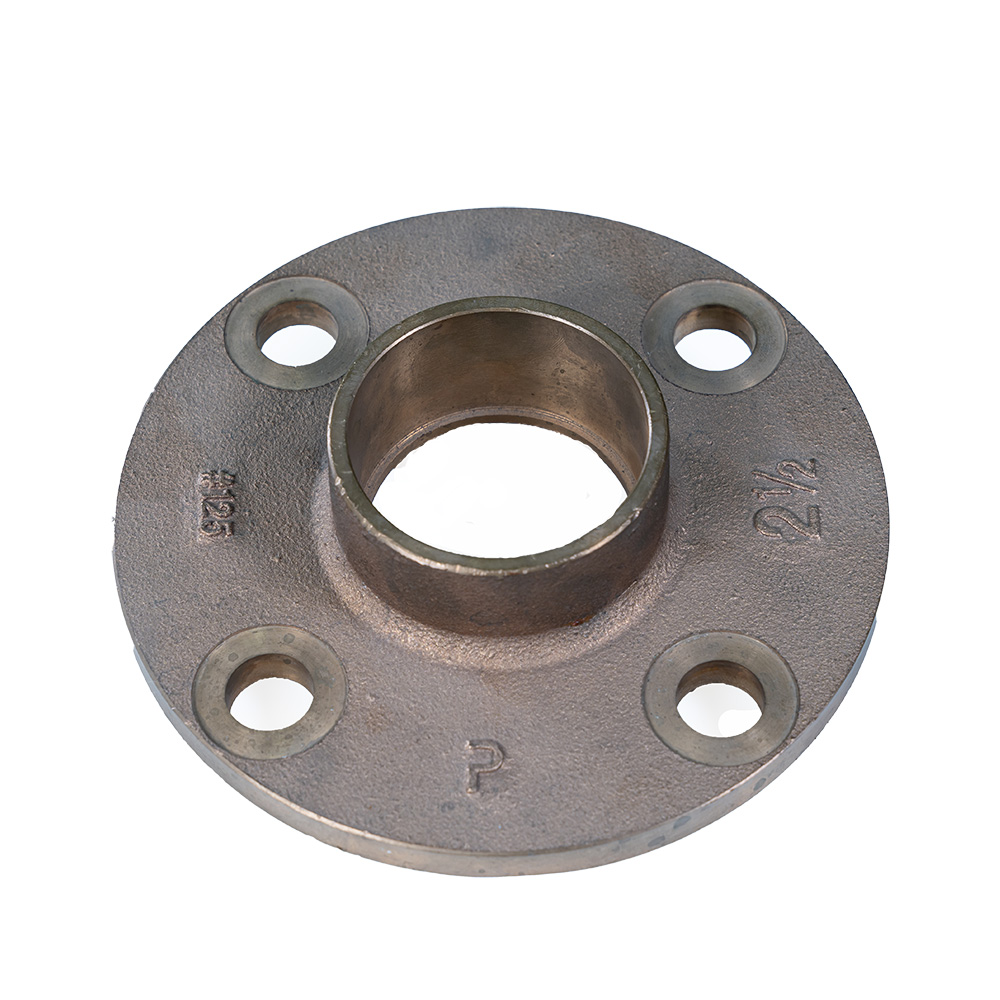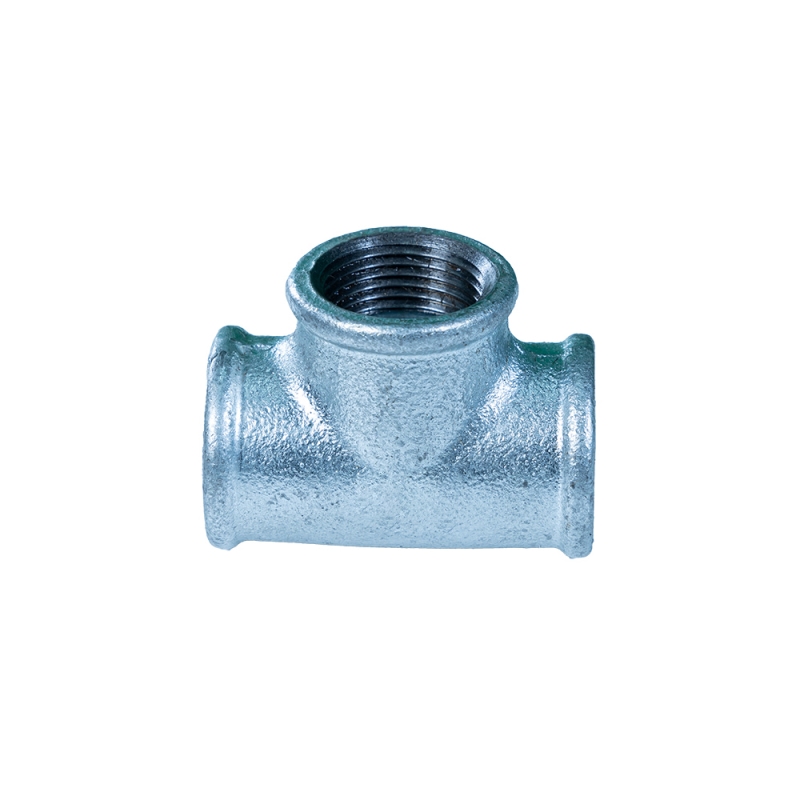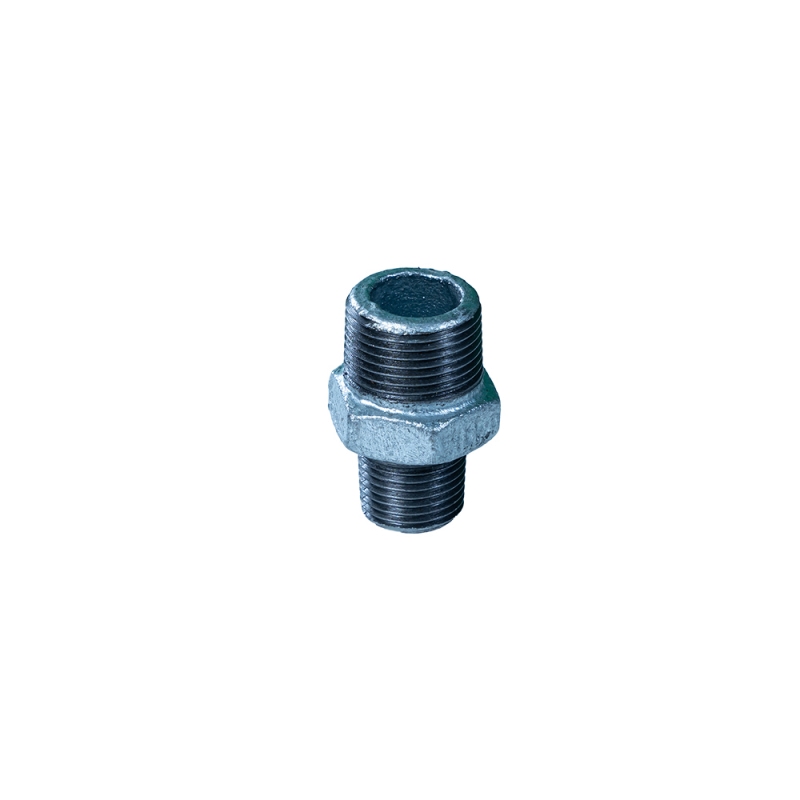

Tee Joint: Understanding Its Critical Role in Modern Industry
In the world of welding and fabrication, the tee joint might seem like a simple connection — two pieces meeting at a right angle. Yet, when you scratch the surface, this fundamental joint carries global significance that touches countless industrial sectors, from construction and energy pipelines to humanitarian relief infrastructure. Understanding tee joints isn’t just technical jargon; it’s about appreciating how something so basic supports our complex world — ensuring structures are strong, safe, and efficient. Let’s explore why tee joints matter widely, how they work, and their evolving role in industry and innovation.
Global and Industry Context: The Ubiquity of Tee Joints
Oddly enough, something as straightforward as the tee joint forms a backbone in many infrastructure projects worldwide. According to ISO welding standards, joints like the tee joint constitute almost 30–40% of all welding connections in pipeline and structural fabrications. The global oil and gas industry, infrastructure development, and even humanitarian engineering rely heavily on these joints. The World Bank estimates that over $3 trillion worth of new infrastructure investments will see tee joints used extensively to connect piping, frames, and ducting safely and reliably.
But here’s the kicker: failure in tee joints can lead to catastrophic leaks or collapses—posing safety risks and costly downtime. Hence, innovations in tee joint design and quality assurance have become vital, especially as we move towards sustainable infrastructure.
Defining the Tee Joint
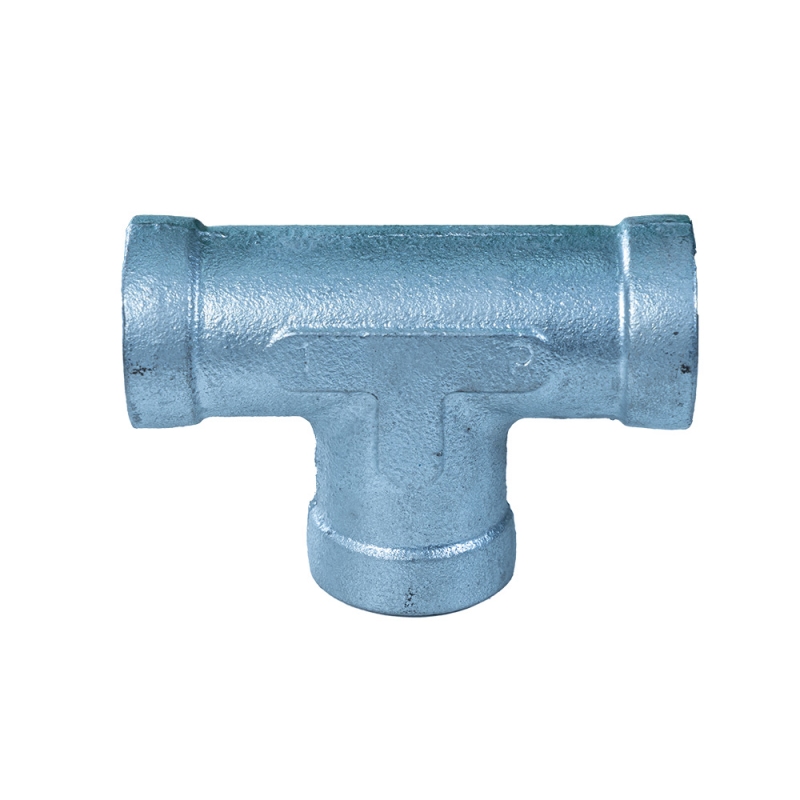
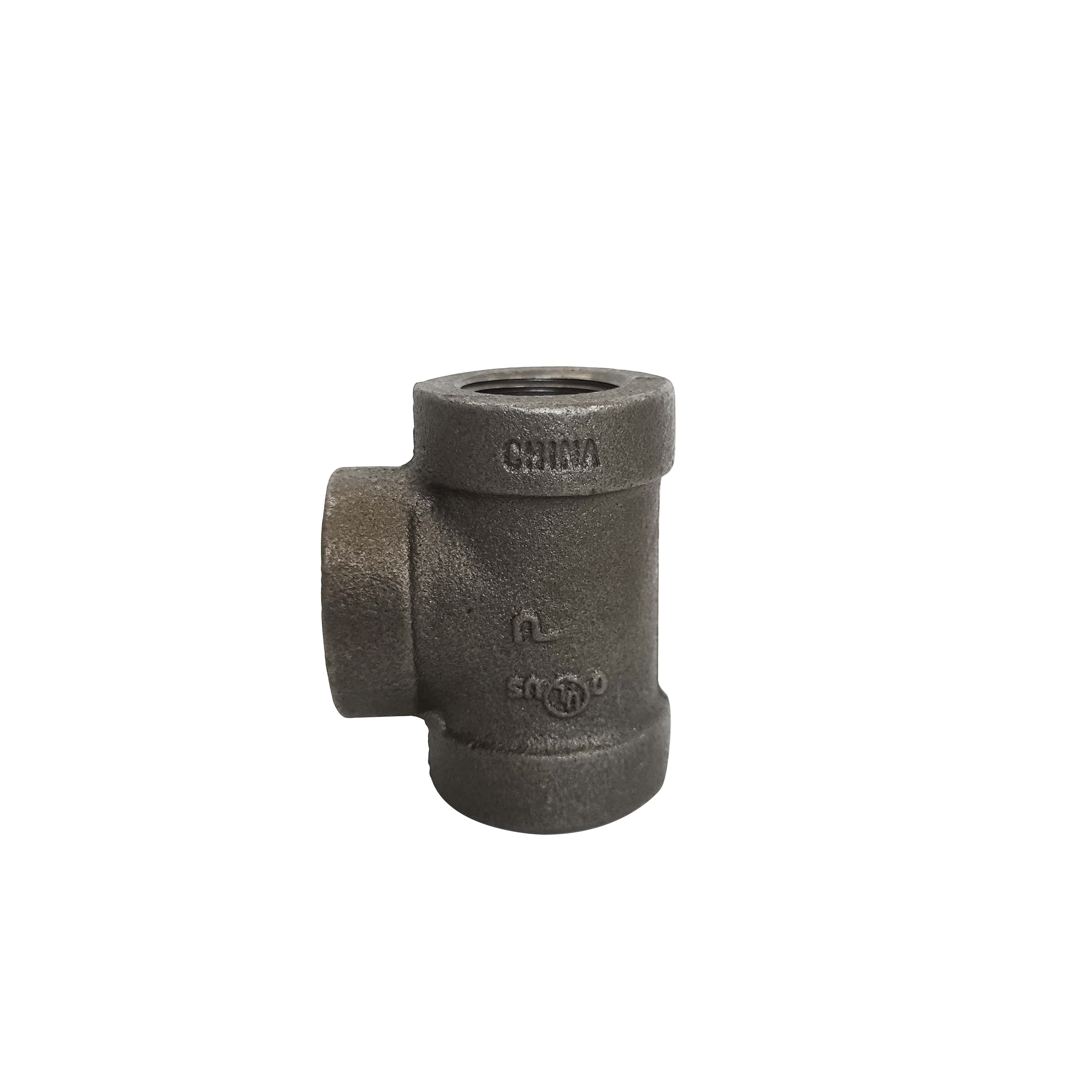
Simply put, a tee joint joins two metal parts perpendicular to each other—forming a “T” shape. Mostly seen in steel piping and structural frames, it’s a basic welding joint where one piece intersects another, creating a junction critical for fluid flow or structural support.
Modern industries depend on tee joints in everything from water distribution networks to sprawling oil refineries and modular construction units for disaster relief. You see, without a reliable tee joint, the whole system’s integrity falters—whether that’s maintaining pressure in pipelines or supporting a building façade.
Core Components and Key Factors in Tee Joint Applications
1. Durability
The tee joint must withstand varied stresses—thermal expansion, pressure fluctuations, vibration. Materials and welding techniques significantly affect durability. Stainless steel tees, for instance, offer corrosion resistance for marine and chemical plants, while carbon steel is popular for general applications.
2. Scalability and Adaptability
Manufacturing tee joints with different diameters and thicknesses enables use across industries. Tee joints scale from tiny HVAC ducts to massive pipeline networks, showing versatility without compromising performance.
3. Cost Efficiency
Frankly, a good tee joint reduces maintenance costs and downtime. Welding quality and joint preparation impact how often repairs are needed — affecting project budgets and operational continuity.
4. Safety and Regulatory Compliance
The tee joint must comply with rigorous codes like ASME Section IX and ISO 15614 for welding. Proper inspection techniques, including radiographic testing, ensure the joint’s integrity and prevent leaks or failures.
Product Specification of a Typical Tee Joint
| Specification | Details |
|---|---|
| Material | Carbon Steel / Stainless Steel / Alloy Steel |
| Standard | ASME B16.9, ISO 2531 |
| Nominal Diameter | DN 50 to DN 1200 (2” to 48”) |
| Wall Thickness | Schedule 10 to 160 |
| Welding Type | Butt Weld / Socket Weld |
| Pressure Rating | Up to 250 bar (3625 psi) |
Global Applications and Use Cases
You might be surprised how widespread tee joints are. For example, in the Middle East’s vast oil fields—tee joints connect miles of pipelines, handling extreme heat and pressures. In Europe, water utilities employ tee joints extensively in distribution networks ensuring clean water reaches millions safely.
In humanitarian efforts, tee joints enable rapidly assembled modular units—think temporary shelters or emergency clinics—that are both sturdy and easy to deploy in disaster zones. Indeed, UN agencies depend on modular components, including sturdy tee joints, for fast relief infrastructure.
Vendor Comparison: Tee Joint Suppliers at a Glance
| Vendor | Material Range | Customization | Lead Time | Certifications |
|---|---|---|---|---|
| Alpha Pipe Fittings | Carbon & Stainless Steel | Yes, per specs | 3-5 weeks | ISO 9001, ASME |
| Global Fittings Co. | Alloy Steel & Duplex | Limited | 4-6 weeks | ISO 14001, API |
| Pannext Fittings | Carbon, Stainless, Alloy (Custom) | Fully customizable | 2-4 weeks | ISO 9001, ASME, API |
Advantages and Long-Term Value of Tee Joints
Tee joints provide a unique blend of reliability and adaptability. From a cost standpoint, they simplify installations and reduce material waste. Sustainability-wise, better joint integrity means fewer leaks and less environmental damage, which is vital for oil and chemical industries. And emotionally? It’s reassuring—knowing the framework that supports buildings or pipelines is solid never feels trivial.
Over time, optimized tee joints mean longer service life, less frequent maintenance, and stronger safety assurance — building trust with engineers and operators alike.
Future Trends & Innovations in Tee Joint Technology
We’re seeing fascinating innovation: automation in welding tee joints brings precision and reduces human error. Additive manufacturing attempts to produce complex tee geometries with internal flow optimizations. Plus, greener coatings and composites aim to reduce corrosion without toxic chemicals.
The digital shift means smart sensors embedded near joints could soon monitor stress and temperature in real-time — a game changer in predictive maintenance. Oddly enough, these “smart tee joints” might become a standard in critical facilities to avoid disastrous failures.
Challenges and Solutions in Tee Joint Applications
Despite its ubiquity, the tee joint presents challenges: welding distortion, possible weak points at the intersection, and inspection difficulties. These issues can cause failures if not properly addressed. Many engineers recommend advanced non-destructive testing techniques like ultrasonic phased array to detect hidden flaws early.
Additionally, welding process automation and robotic welders are increasingly popular — offering consistent quality that manual methods struggle to match.
Frequently Asked Questions About Tee Joint
- Q: What industries most commonly use tee joints?
A: Tee joints are widespread across oil and gas, water treatment, HVAC systems, and construction — anywhere pipes or structural elements meet at right angles. - Q: How does one ensure the quality of a tee joint?
A: Quality is typically ensured by adhering to welding standards (e.g. ASME), plus rigorous inspection via radiography or ultrasonic testing to detect cracks or weak points. - Q: Can tee joints be customized?
A: Absolutely. Vendors like Pannext Fittings offer full customization on size, material, and welding methods to meet specific project needs. - Q: Are tee joints suitable for high-pressure pipelines?
A: Yes, provided the joint and welding procedure conform to pressure ratings and standards required for the application. - Q: What maintenance is required for tee joints?
A: Regular inspections, corrosion prevention, and sometimes re-welding or reinforcement are needed, depending on operating conditions.
Conclusion
In the grand scheme, the tee joint might be small but mighty — a quiet hero in industrial progress. Appreciating its design, applications, and the future innovations that surround it helps us understand broader infrastructure reliability and safety. Whether in sprawling pipelines or modular shelters, tee joints guarantee connection and strength. For those looking for tailored solutions and reliable supply, visit Pannext Fittings to explore the widest range of quality tee joints.
Mini takeaway: Tee joints keep the world connected — literally.
References
Post time: Dec-02-2025