
Exploring the Galvanized Fittings Catalog: A Global Perspective
When I first dove into the world of galvanized fittings, what struck me most was how such seemingly simple components quietly impact industries worldwide—from construction to agriculture, even humanitarian projects. The galvanized fittings catalog isn’t just a list of parts; it’s a roadmap to durability, safety, and efficiency. Understanding it opens up a deeper appreciation of how steel connectors resist corrosion to safeguard structures globally.
Introduction: Why the Galvanized Fittings Catalog Matters Globally
According to the International Organization for Standardization (ISO), over 50% of steel used in infrastructure benefits from galvanization, a zinc-coating process that protects metal from rust and harsh environments. Globally, this matters for development projects, especially in regions with high humidity or coastal exposure where corrosion can quickly degrade materials.
Construction growth rates in Asia and Africa average about 5-7% annually, and each project demands reliable, cost-efficient fittings. That’s where the galvanized fittings catalog shines—offering a trusted source for designers, engineers, and project managers alike.
Oddly enough, the challenge often isn’t the fittings themselves but knowing which spec or type fits a project's unique needs without overspending or risking premature failure.
What Is a Galvanized Fittings Catalog?
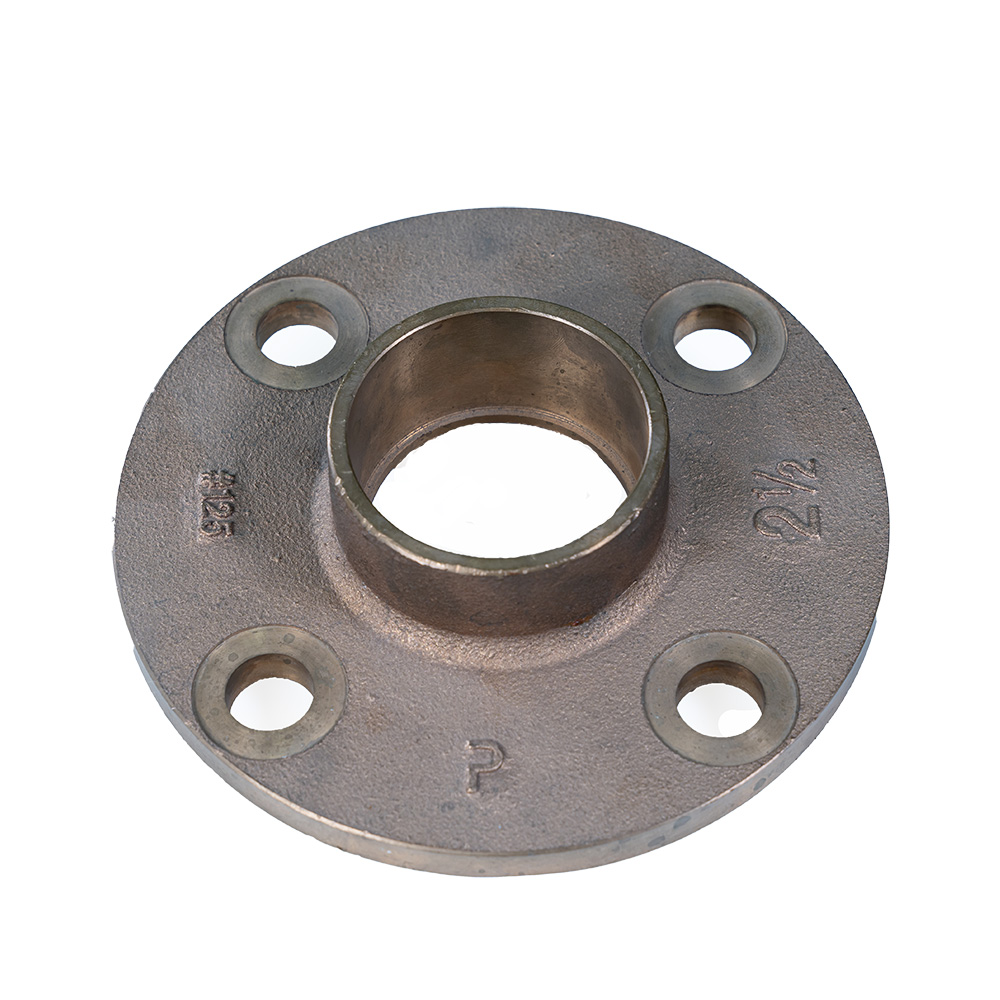
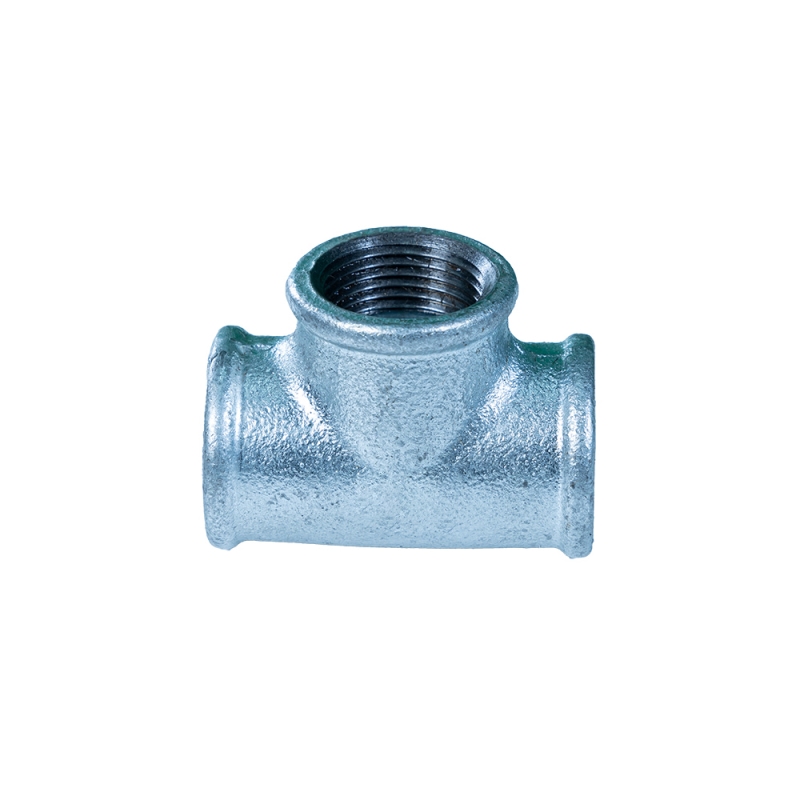
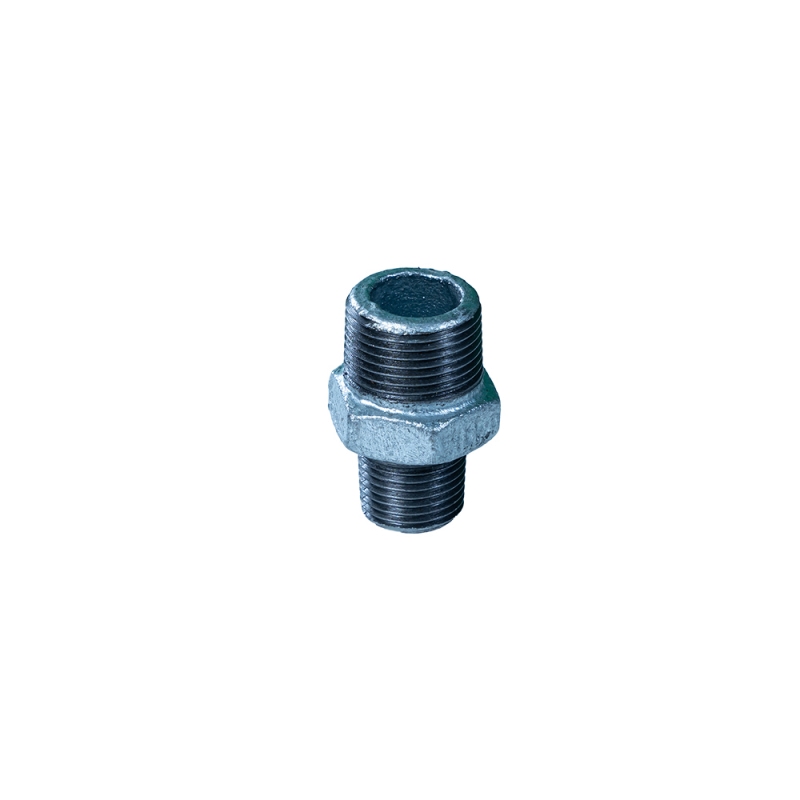
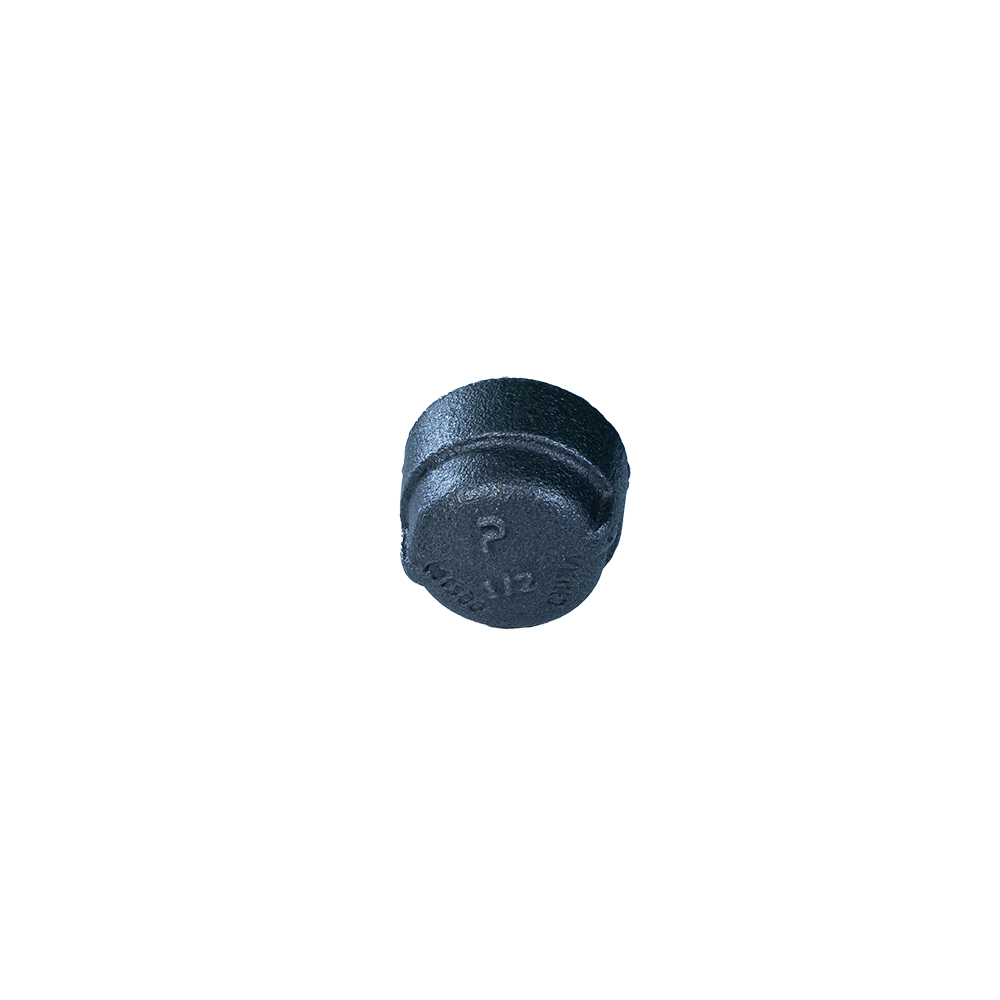
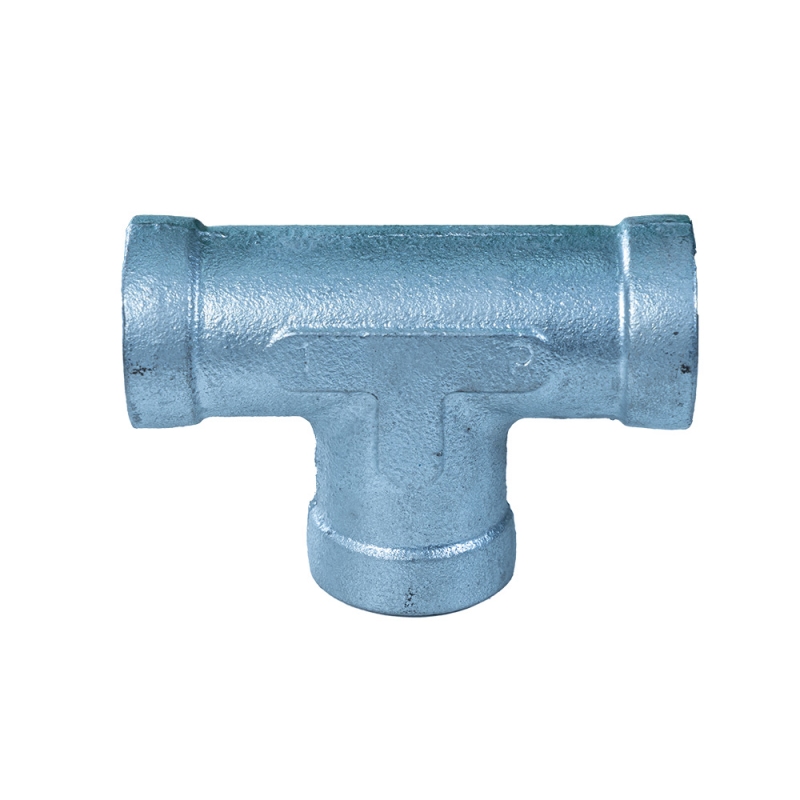
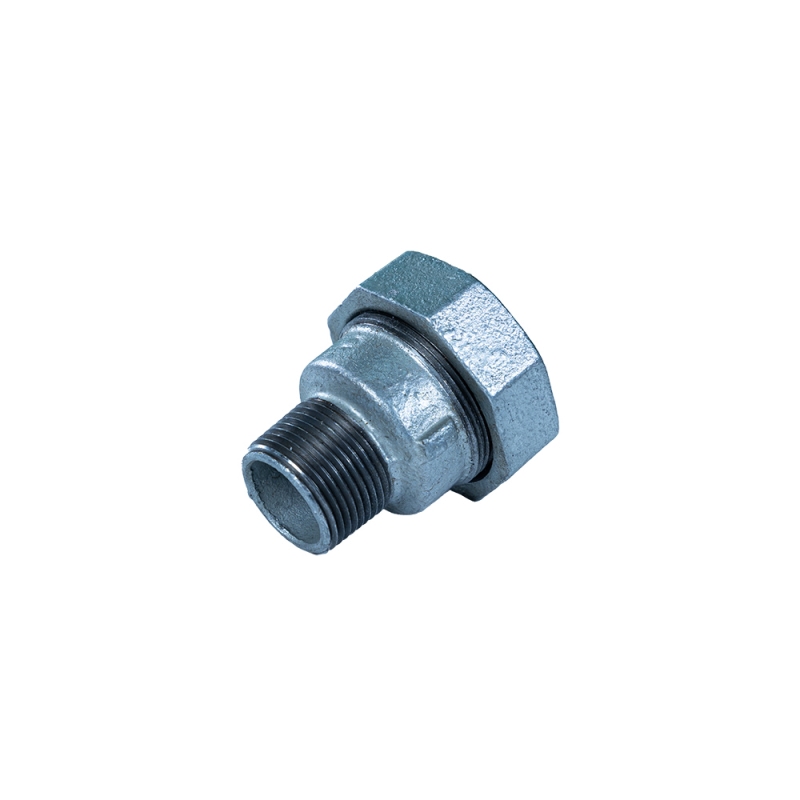
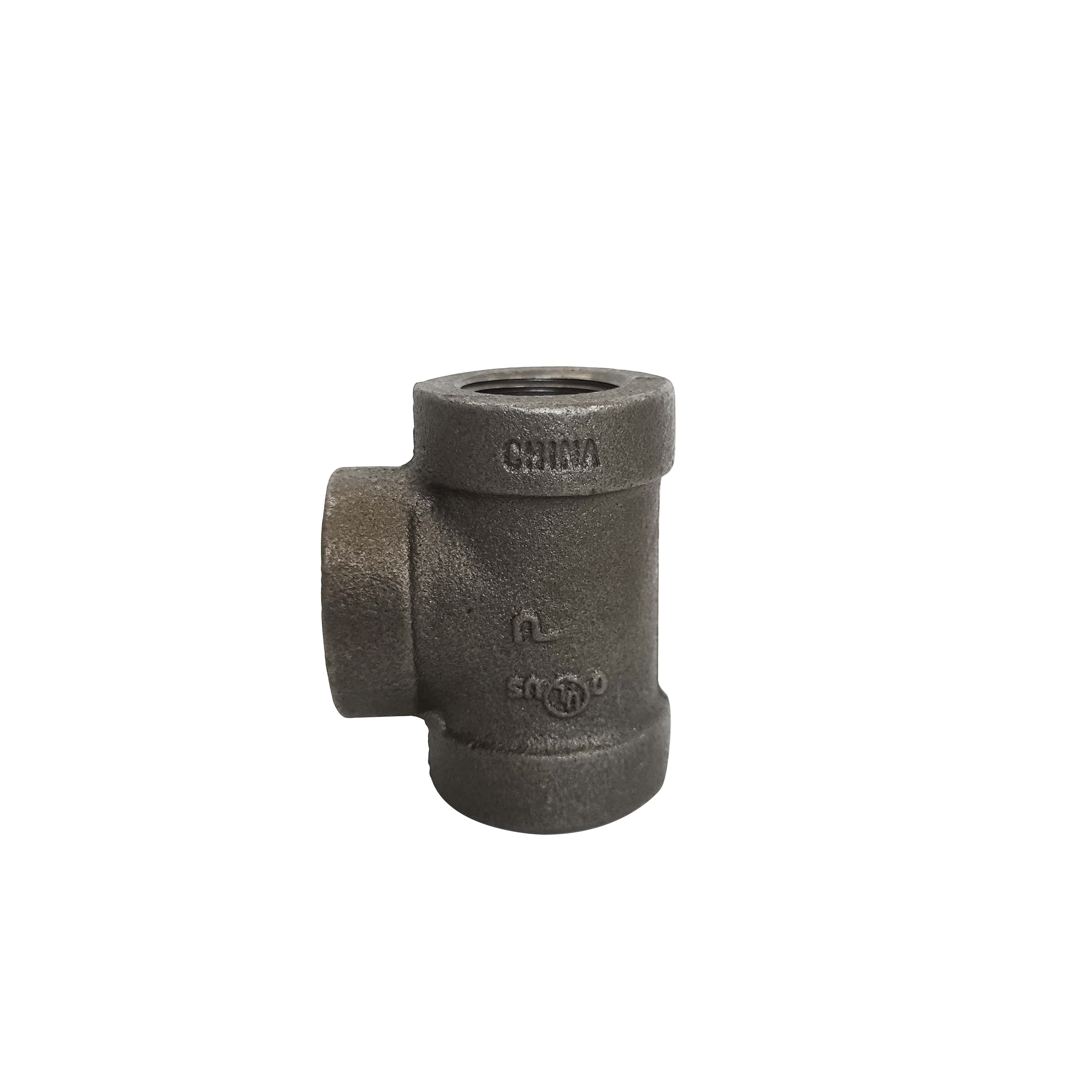
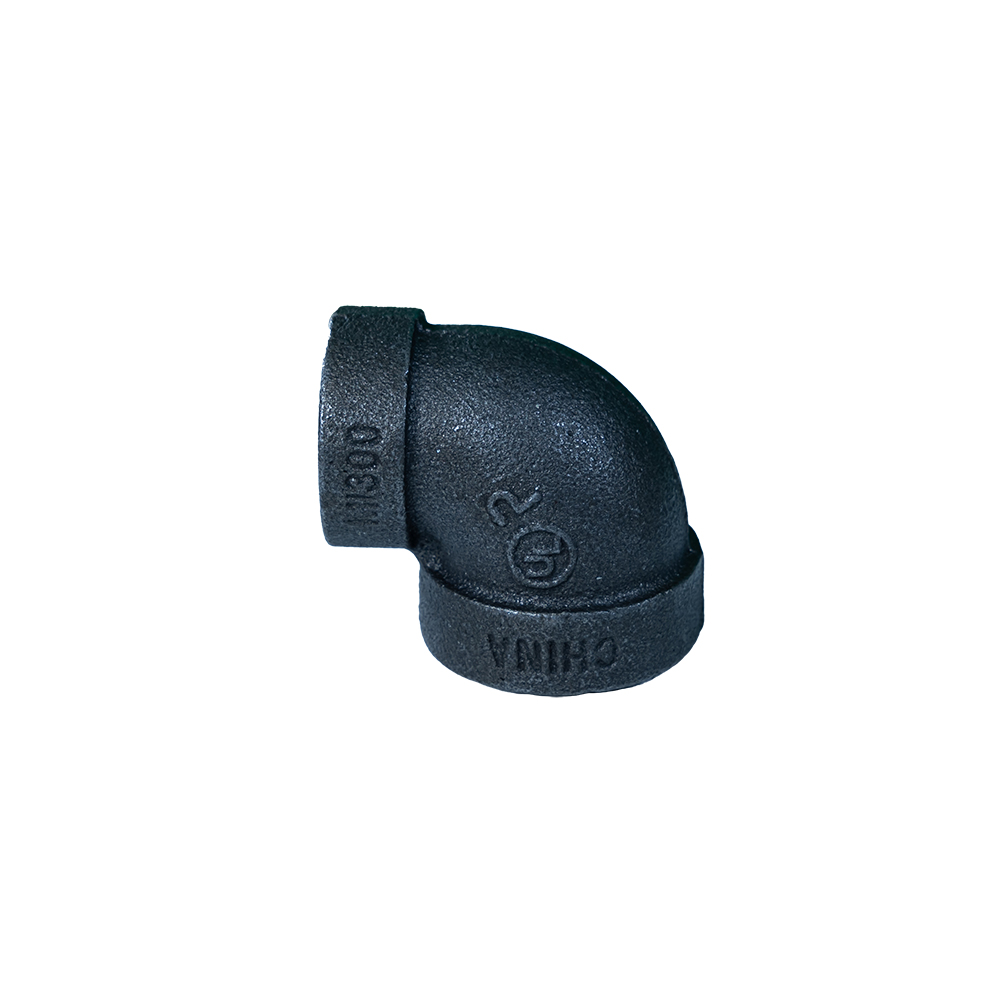
Simply put, it’s a comprehensive inventory of components—like tees, elbows, coupling joints, and flanges—that have been galvanized to prevent rust. These are essential in piping, construction frameworks, outdoor equipment, and anywhere steel is exposed to moisture.
The catalog helps stakeholders quickly identify appropriate items by size, shape, and finish, streamlining procurement for industries ranging from oil & gas pipelines to emergency shelter assembly, where speed and reliability matter.
Key Factors: Core Components of Galvanized Fittings
1. Durability
The zinc coating applied via hot-dip galvanization can last decades, even in corrosive environments. This means less maintenance and replacement—vital for remote or critical infrastructure.
2. Scalability
Whether you’re building a small-scale irrigation setup or a sprawling industrial plant, catalogs provide scalable options—from tiny diameter couplings to large-diameter flange assemblies.
3. Cost Efficiency
Initially, galvanized fittings might seem pricier than bare metal, but their lifecycle cost is far lower. Reduced corrosion means fewer repairs and downtime.
4. Standardization & Compatibility
Global standards like ASTM A153/153M ensure fittings meet certain quality parameters; the catalog groups specs so engineers can trust compatibility across suppliers.
5. Environmental Resistance
These fittings resist salt spray, humidity, and UV exposure—key for marine industries or tropical climates.
6. Versatility
From industrial piping to DIY projects and humanitarian shelters, galvanized fittings offer versatile solutions.
Galvanized Fittings Specification Table
| Fitting Type | Material Standard | Diameter Range (inches) | Zinc Coating Thickness (µm) | Typical Lifespan (Years) |
|---|---|---|---|---|
| Elbow (90°) | ASTM A53 | 1/2 - 6 | 70 - 85 | 20-50 |
| Tee | ASTM A234 | 1/2 - 8 | 75 - 90 | 25-55 |
| Coupling | ASTM A105 | 1/4 - 4 | 60 - 80 | 15-40 |
Global Applications & Use Cases
From sprawling oil platforms in the North Sea to rural water systems in sub-Saharan Africa, galvanized fittings underpin infrastructure projects worldwide.
- Post-Disaster Relief: When immediate shelter and water supply structures are needed, assemblies with galvanized parts ensure rapid deployment and longevity.
- Offshore & Marine Industries: Saltwater corrosion demands reliable fittings; the galvanized catalog’s products meet these harsh requirements.
- Urban Development: Fast-growing cities in Asia use these fittings in plumbing and HVAC systems, balancing cost and performance.
- Agricultural Systems: Irrigation pipelines in dry climates benefit from the corrosion resistance and easy maintenance.
Oddly enough, many small-scale farmers I’ve spoken to appreciate the low maintenance as much as industrial users—it feels like a small but constant victory against unpredictable elements.
Vendor Comparison: Galvanized Fittings Suppliers
| Supplier | Product Range | Certification | Lead Time | Typical Price Level |
|---|---|---|---|---|
| PanNext Fittings | Extensive, Customizable | ISO 9001, ASTM Certified | 2-4 Weeks | Mid-Range |
| SteelConnect Inc. | Standard Range Only | ASTM Certified | 1-2 Weeks | Low |
| Global Metal Works | Custom & Standard | ISO 14001, ASTM | 3-5 Weeks | Higher-End |
Advantages & Long-Term Value
Choosing galvanized fittings isn’t just about immediate needs. Cost savings through longevity and minimal downtime lead to greater project ROI. But it’s not purely financial—there’s peace of mind in knowing infrastructure won’t suddenly fail or create safety hazards, lending a layer of dignity and trust especially important in humanitarian contexts.
The environmental angle is subtle but important: galvanization reduces waste because fewer parts corrode prematurely. It aligns well with sustainability commitments we increasingly hear about from governments and corporations alike.
Future Trends & Innovations
Looking ahead, the sector is shifting towards greener coatings and digital integration. For example, eco-friendly zinc alternatives and automation in coating procedures aim to reduce pollution. Smart inventory catalogs that incorporate RFID tags for better tracking and automated reorder alerts are starting to appear, streamlining supply chains.
Additionally, hybrid materials blending galvanized steel with polymers offer interesting potentials—combining strength and corrosion resistance with lighter weight.
Challenges & Solutions
Though galvanized fittings perform well, challenges like surface imperfections or uneven coating thickness can cause localized corrosion. This is where quality control and supplier certification become crucial.
Experts recommend working with vendors who use advanced dip controls and post-treatment inspections. Also, improved design to avoid water traps helps extend life span. Oddly enough, training installers on proper handling can prevent damage that negates corrosion resistance.
Frequently Asked Questions About Galvanized Fittings Catalog
Q1: How long can galvanized fittings reliably last in harsh environments?
A: Typically, well-applied galvanized coatings last between 20 to 50 years depending on exposure. Coastal or industrial areas may see a shorter lifespan due to increased corrosive elements.
Q2: Can galvanized fittings be customized for unique applications?
A: Absolutely. Many suppliers, including PanNext Fittings, offer custom sizing, thickness, and shapes to meet project specifications while maintaining protective coatings.
Q3: Are galvanized fittings environmentally sustainable?
A: In comparison to bare steel, galvanized fittings extend the lifecycle of materials, reducing waste. Newer processes and recycling zinc also contribute to sustainability efforts.
Q4: How can international buyers ensure they are getting quality galvanized fittings?
A: Check supplier certifications like ISO 9001 and ASTM standards. Request test reports and samples when possible, and prefer vendors with transparent quality control processes.
Conclusion
In real terms, the galvanized fittings catalog is more than just an inventory—it’s a key to unlocking projects that last, protect, and perform globally. From commercial builds to emergency relief, the right galvanized components help us bridge challenges with durable, accessible solutions.
For engineers, project managers, or procurement specialists looking to explore reliable, certified galvanized fittings, I highly recommend visiting https://www.pannextfittings.com. Their catalog combines depth, quality, and expert support—a solid place to start.
A little corrosion resistance goes a long way…
References:
Post time: Dec-02-2025