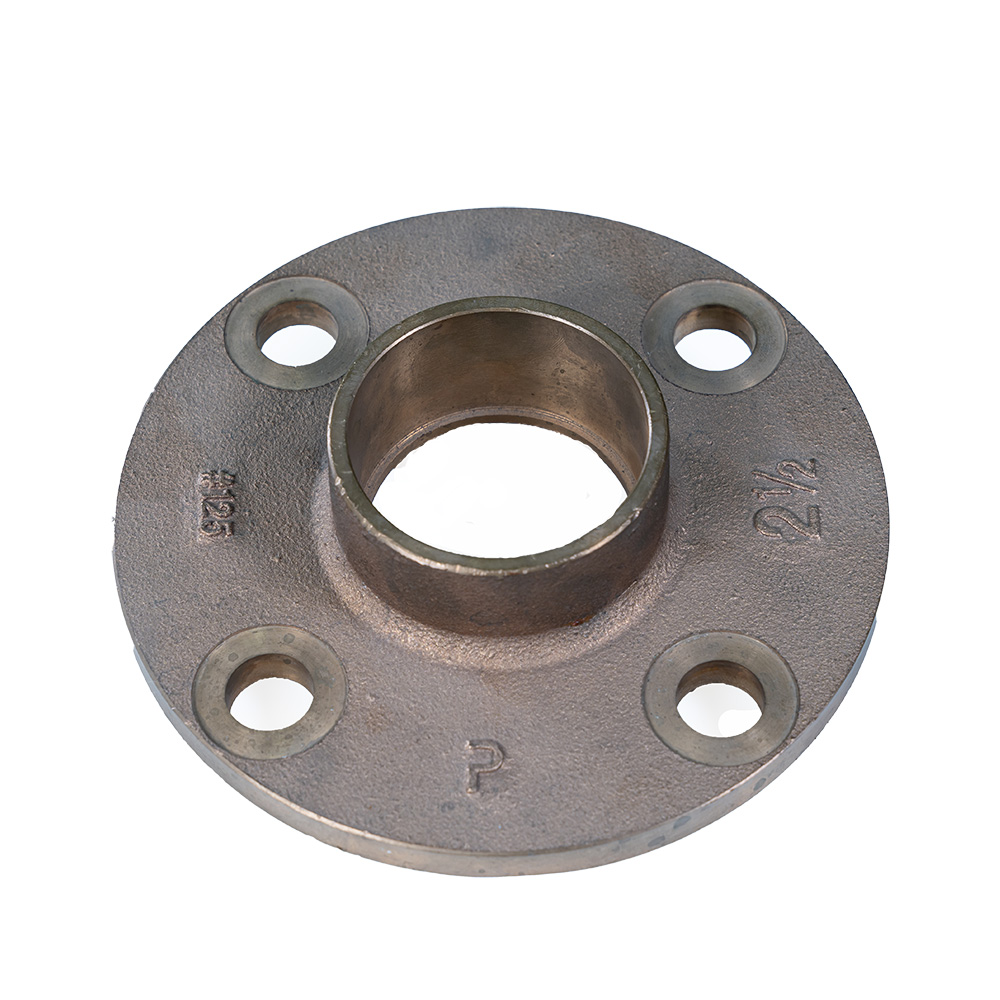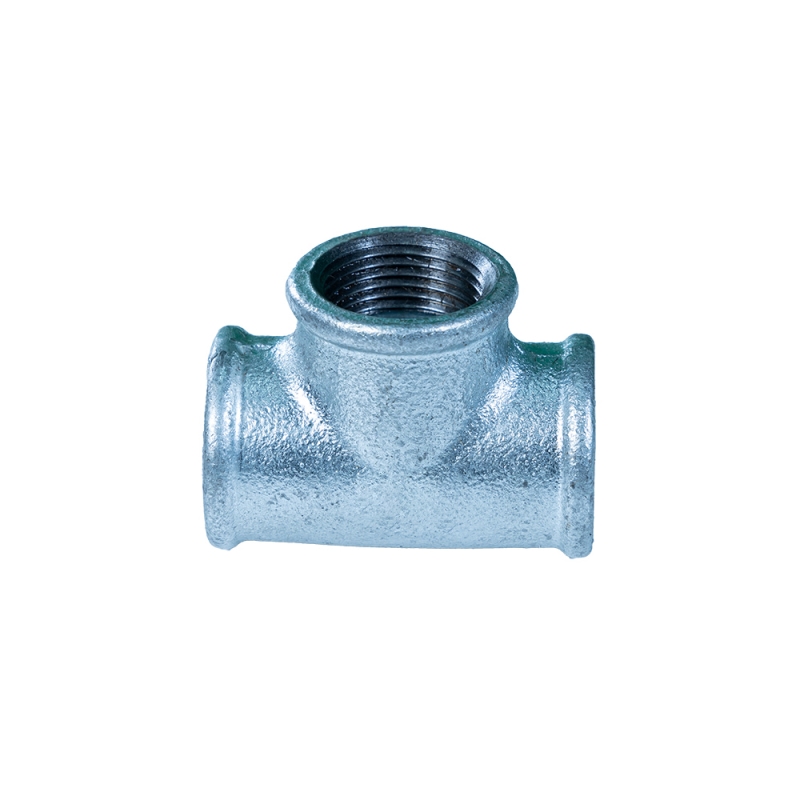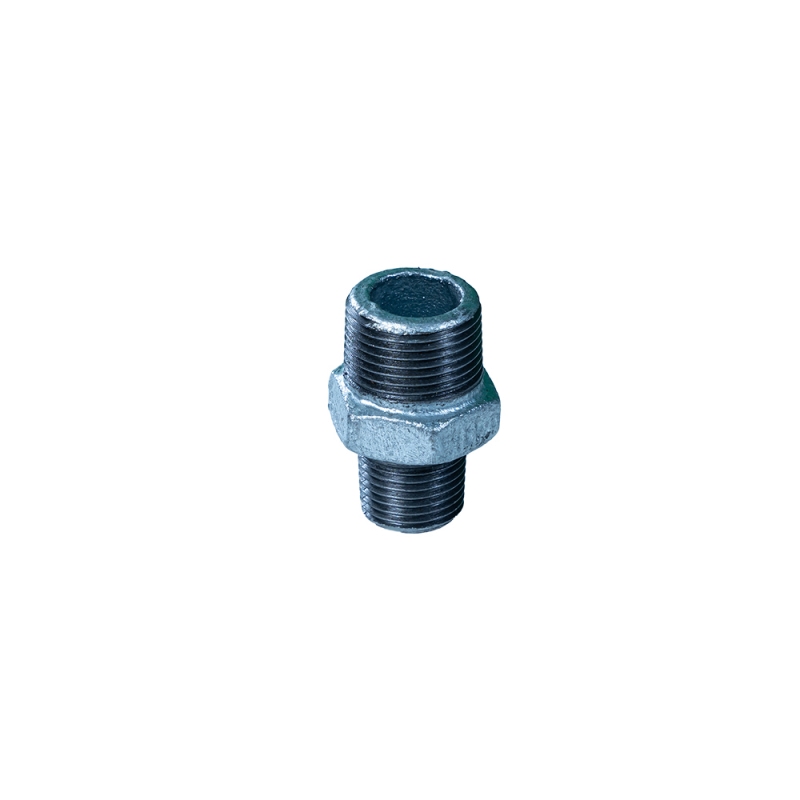

Pipe Fitting Y: The Unsung Hero of Piping Systems
If you’ve ever worked with or around piping systems, you probably know how many different fittings it takes to frame a reliable, efficient network. Among those, the pipe fitting y often flies under the radar, yet it plays a crucial role in directing flow and maintaining system integrity globally. This seemingly simple component truly matters worldwide — from sprawling water treatment plants in the U.S. to oil rig networks offshore and even humanitarian water distribution projects in disaster-affected regions.
Understanding pipe fitting y unlocks benefits like optimized flow, reduced turbulence, and easier maintenance. In an era where infrastructure resilience is key, knowing the ins and outs of these components can help engineers and purchasers avoid costly downtime or leakage problems. So let's dive into what makes the pipe fitting y such a staple, how it fits into broader industry challenges, and why it remains vital in pipelines’ long-term success.
Global Context: Why Pipe Fitting Y Matters Today
Worldwide, pipelines move more than 70% of all liquid and gas commodities [ISO Standards]. From water and sewage systems to oil, gas, and chemical distribution, pipe fittings like the Y-shaped junction are everywhere. According to the World Bank, infrastructure systems in developing nations alone will invest trillions in upgrades over the next decade, emphasizing durability and efficiency — areas where the right fitting choice directly affects outcomes.
However, many piping challenges revolve around flow disruptions and maintenance complexity. Here, the pipe fitting y shines by reducing turbulence and providing multiple flow paths without the bulk and pressure drop caused by some other fittings. Oddly enough, despite its simple shape, the Y-fitting reduces energy loss and can accommodate branch lines at smooth angles — a crucial feature in large-scale pipelines. So, it’s a humble but essential part of infrastructure resilience worldwide.
What Is a Pipe Fitting Y?
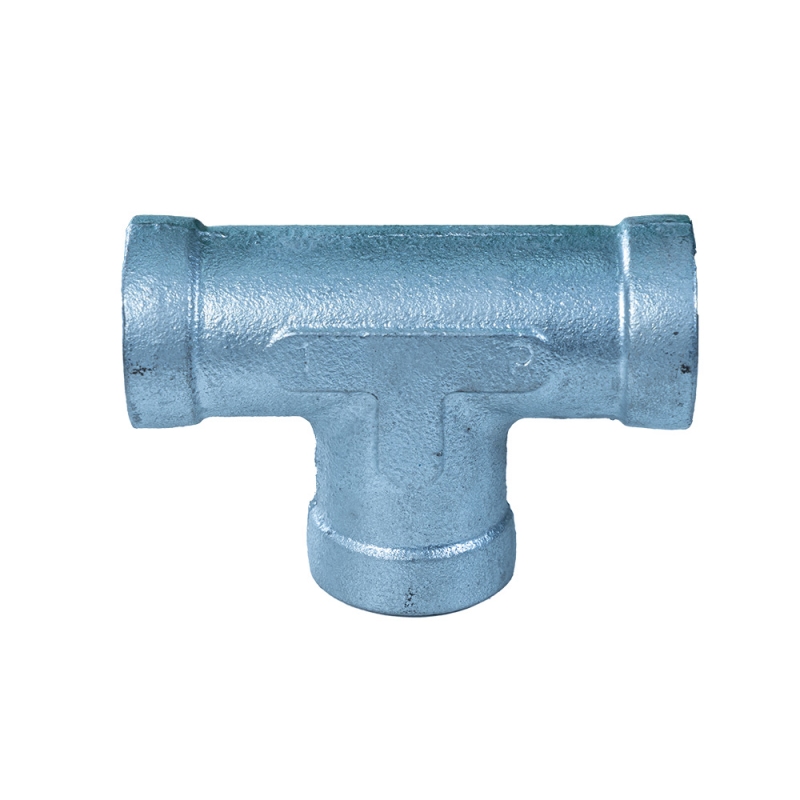
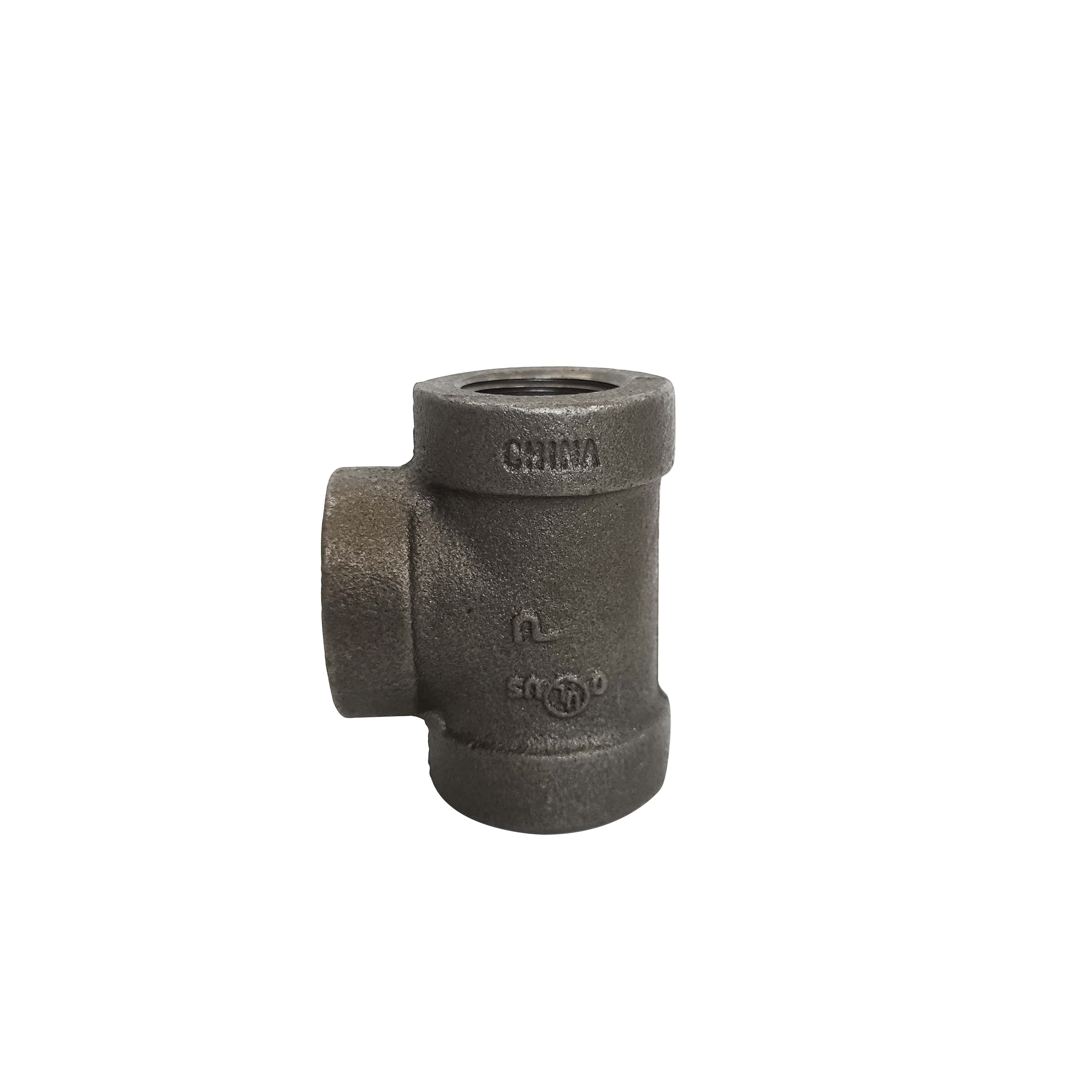
At its core, the pipe fitting y is a type of fabrication used to connect three pipes — two inlets or outlets joining to or diverging from a main pipe — at an angle that resembles the letter "Y." This geometry allows fluids, gases, or solids to split or combine flows smoothly. Unlike the standard T-fitting that creates a 90-degree branch, the Y fitting generally features a more acute branching angle, typically around 45 degrees.
This subtle difference might seem minor, but it offers important improvements in industrial, municipal, and humanitarian piping networks. Why? Because it minimizes turbulence and back pressure, improving flow efficiency and reducing wear. In realms like clean water distribution during natural disasters, these fittings help ensure that water delivery remains continuous and dependable, saving both resources and lives.
Core Features of Pipe Fitting Y
1. Durability
Pipe fitting y designs are often forged with materials like stainless steel, cast iron, or PVC, depending on the application. Durability ensures lifetime resistance to corrosion, pressure, and temperature variations. For example, using carbon steel fittings in high-pressure oil pipelines provides exceptional strength without sacrificing flow stability.
2. Flow Efficiency
The angled branches of Y fittings significantly reduce turbulence compared to T fittings. This boosts distribution efficiency, especially in complex systems where fluid dynamics matter. Many engineers note that Y fittings save operational energy by lowering pump load requirements.
3. Scalability & Versatility
Y fittings come in sizes ranging from fractional inches up to several feet in diameter. This scalability matches everything from tiny irrigation lines to industrial chemical processing plants. The ability to connect different diameters via reducers also makes the Y fitting quite versatile.
4. Cost Efficiency
While slightly pricier upfront than simple T joints, pipe fitting y often lowers lifecycle costs by preventing leaks and maintenance interventions. In remote areas, fewer service visits translate into substantial budget savings and improved safety.
5. Compliance & Standards
Manufacturers design Y fittings to meet a variety of industry standards, such as ASTM, ISO, or ANSI, ensuring quality assurance and system compatibility globally.
Product Specifications of Typical Pipe Fitting Y
| Feature | Details |
|---|---|
| Material | Stainless steel, Carbon steel, PVC, Cast iron |
| Branch Angle | Typically 45° (varies 30°–60°) |
| Nominal Diameter | ½ inch to 48 inches |
| Pressure Rating | Class 150 to 2500 (PN 20 to PN 420) |
| Applicable Standards | ASTM A234, ANSI B16.9, ISO 9001 |
Comparing Leading Manufacturers of Pipe Fitting Y
| Vendor | Material Options | Customization | Price Range | Lead Time |
|---|---|---|---|---|
| PanNext Fittings | Carbon Steel, Stainless Steel, PVC | Yes, including custom angles & sizes | Competitive | 4-6 Weeks |
| Global Pipe Co. | Carbon Steel, Cast Iron | Limited | Mid-High | 6-8 Weeks |
| EcoFittings Ltd. | PVC, HDPE, Composite | Yes, environmentally focused | Affordable | 3-5 Weeks |
Global Applications & Real-World Use Cases
The pipe fitting y is ubiquitous in multiple sectors:
- Municipal Water Systems: Distributes potable water, reduces pressure loss in treatment plants.
- Oil & Gas Pipelines: Branches flow to refining units, minimizing downtime risks.
- Industrial Manufacturing: Chemical plants use Y fittings to mix or divert fluids safely.
- Humanitarian Relief: In rapid-deployment water networks after disasters, these fittings offer easy installation and reliable flow.
- Agricultural Irrigation: Connects main lines to smaller branch pipes with minimal flow disruption.
In fact, during the 2015 Nepal earthquake relief, quick water distribution relied on pre-fitted Y pipe connectors to extend main supply lines efficiently. It’s this kind of practical, on-the-ground utility that often goes unnoticed until you’re managing a system breakdown.
Advantages & Long-Term Value of Pipe Fitting Y
It’s not just about connecting pipes — the Y fitting adds value by:
- Reducing Maintenance Frequency: Smooth flow reduces wear, extending pipe life.
- Improving System Reliability: Better flow patterns mean fewer pressure spikes and failures.
- Enhancing Safety: The right fitting reduces leak and spill risks, critical in hazardous liquid transport.
- Supporting Sustainability: By cutting energy waste in pumping, Y fittings contribute to greener operations.
On a more subjective note, users often report peace of mind from knowing their pipeline networks rely on tried-and-tested components like these — which have decades of engineering validation behind them.
Future Trends & Innovations
The pipe fitting y is evolving too. Novel materials such as fiber-reinforced composites promise to reduce weight while maintaining strength. Additive manufacturing (3D printing) is gradually enabling custom fitting shapes that optimize flows even further. Plus, digital sensor integration for leak detection and pressure monitoring is making these fittings smarter and safer.
Environmental policies and the green energy push are nudging manufacturers toward biodegradable and recyclable materials. Frankly, the days of “one size fits all” fittings are numbered — versatility, sustainability, and digital readiness are the future.
Challenges & Expert Solutions
Of course, challenges remain:
- Material Compatibility: Ensuring fittings match pipe materials and fluids remains tricky.
- Installation Complexity: Improper installation can negate flow benefits.
- Cost Pressures: Balancing upfront costs with long-term gains is an ongoing challenge.
Experts recommend thorough system design, staff training, and choosing suppliers that offer technical support and customization services. Using pipe fitting y from trusted vendors who understand the complexity can make all the difference.
FAQs About Pipe Fitting Y
- What is the main difference between a Y fitting and a T fitting?
- A Y fitting branches pipes at an angled junction (usually 45°), reducing turbulence and pressure loss compared to the perpendicular 90° branch of a T fitting, which often causes more flow disruption.
- Can pipe fitting y handle high-pressure applications?
- Yes. Depending on the material and rating (such as ASTM A234 for carbon steel), Y fittings can be engineered for very high pressures, common in oil and gas or industrial systems.
- Are pipe fitting y components reusable in maintenance?
- In many cases, yes. If undamaged and properly cleaned, fittings can be reused, though many industries recommend replacement to ensure optimal performance and safety.
- How does pipe fitting y contribute to energy savings?
- Because its angled branch reduces turbulence and pressure drops, pumps throughout the network operate more efficiently, leading to lower energy consumption over time.
- Where can I find customizable pipe fitting y products?
- Companies like PanNext Fittings offer customizable options in multiple materials and sizes, often with expert design support for unique system demands.
Conclusion
Pipe fitting y might seem like a small piece in the vast puzzle of piping infrastructure, but the impact it has is disproportionately large. By improving flow efficiency, reducing maintenance, and enhancing system safety, it plays a part in critical infrastructure worldwide — whether in sprawling industrial setups or urgent relief efforts.
If you want to harness the proven benefits of reliable pipe fitting y components, considering quality materials and expert suppliers is essential. For more tailored solutions and expert advice, don’t hesitate to visit our website where a world of pipe fitting y options awaits you.
After all, sometimes it’s the humble Y that keeps the entire flow moving.
Quick takeaway: Always pay attention to the right fitting shape — the problem it solves might be invisible but critical.
References:
Post time: Dec-02-2025