
Understanding Threads Union: The Backbone of Secure Industrial Connections
When you hear “threads union,” you might picture some small mechanical part—maybe a simple pipe fitting. But oddly enough, these threaded unions are essential components in countless industries globally, serving as the hidden connectors that hold systems together safely and efficiently. From water pipelines to aerospace, understanding threads union is critical—not just for engineers but for anyone invested in industrial safety and innovation. Frankly, mastering the nuances can save time, costs, and, most importantly, prevent catastrophic failures.
Global Context: Why Threads Union Matters Today
Globally, the industrial sector faces increasing pressure to optimize infrastructure reliability and sustainability. According to ISO, over 70% of industrial piping and mechanical assemblies depend on threaded unions or equivalent connectors. The United Nations’ sustainable development goals (SDGs) highlight the need for resilient infrastructure (#9) and clean water access (#6)—both of which intersect heavily with threads union technology.
But here’s a problem: In many developing regions, poorly designed or mismatched threaded unions contribute to leaks, downtime, and environmental hazards. Understanding how these unions work and selecting the right type really can make a global difference.
What Exactly Is a Threads Union?
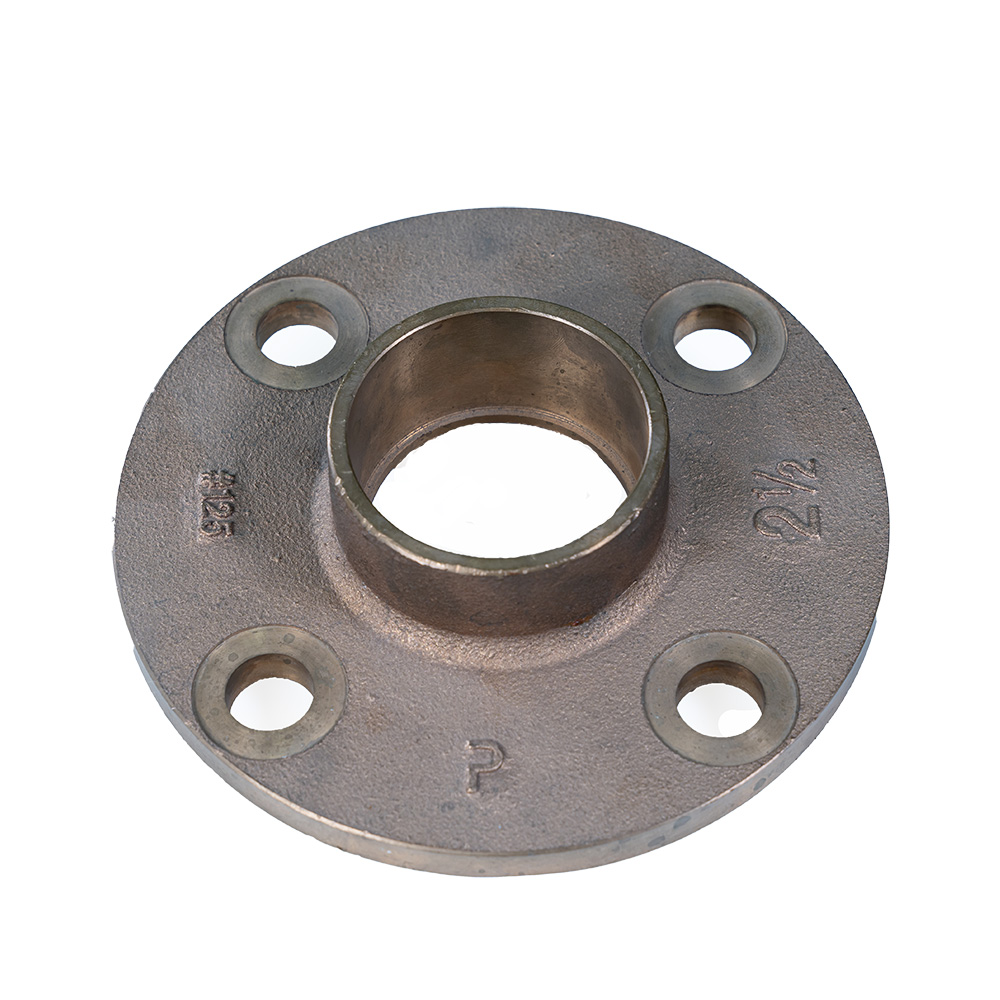
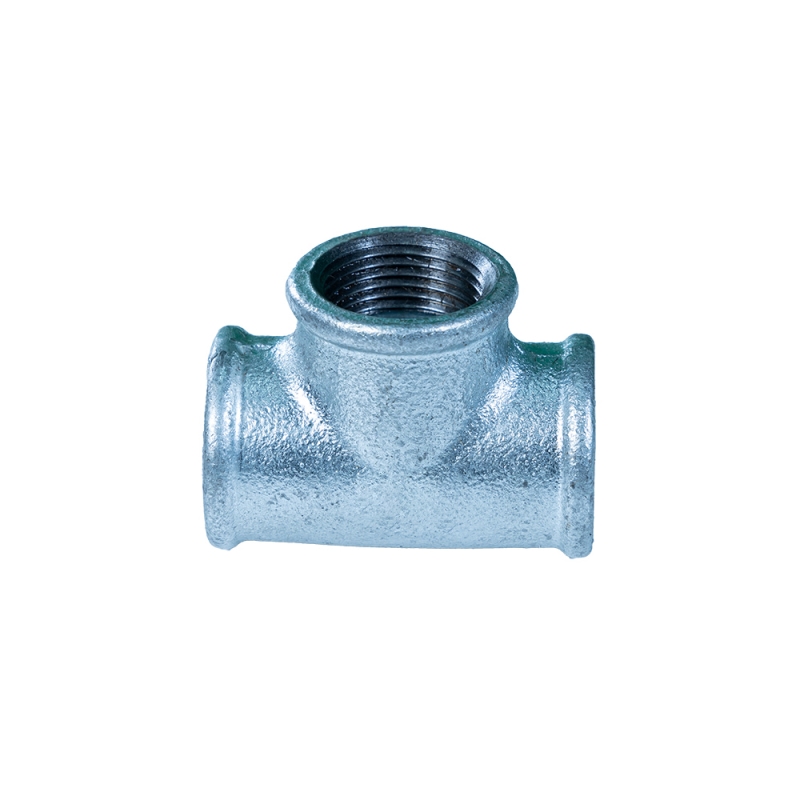
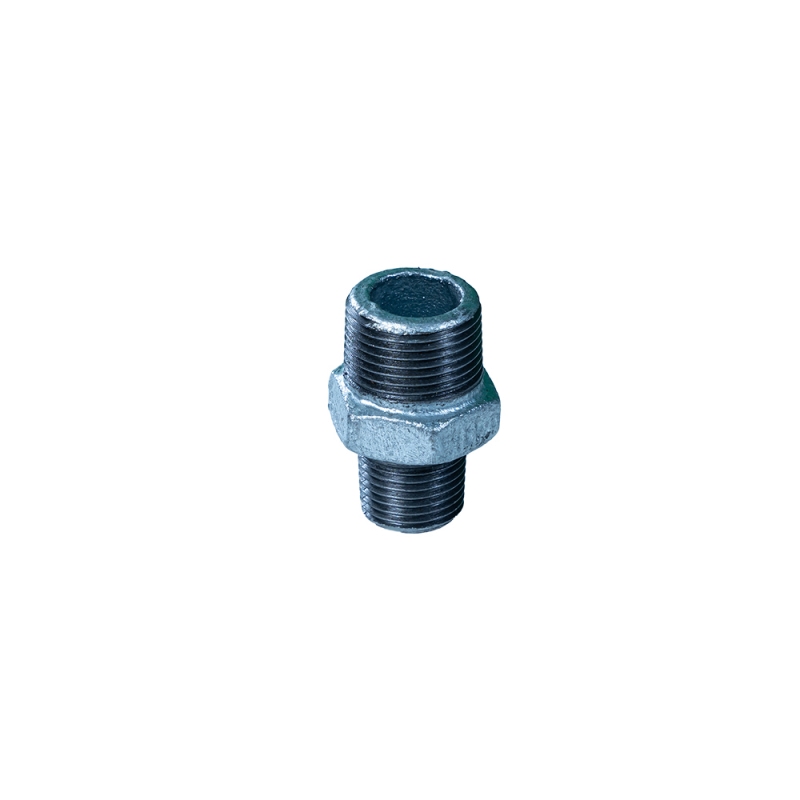
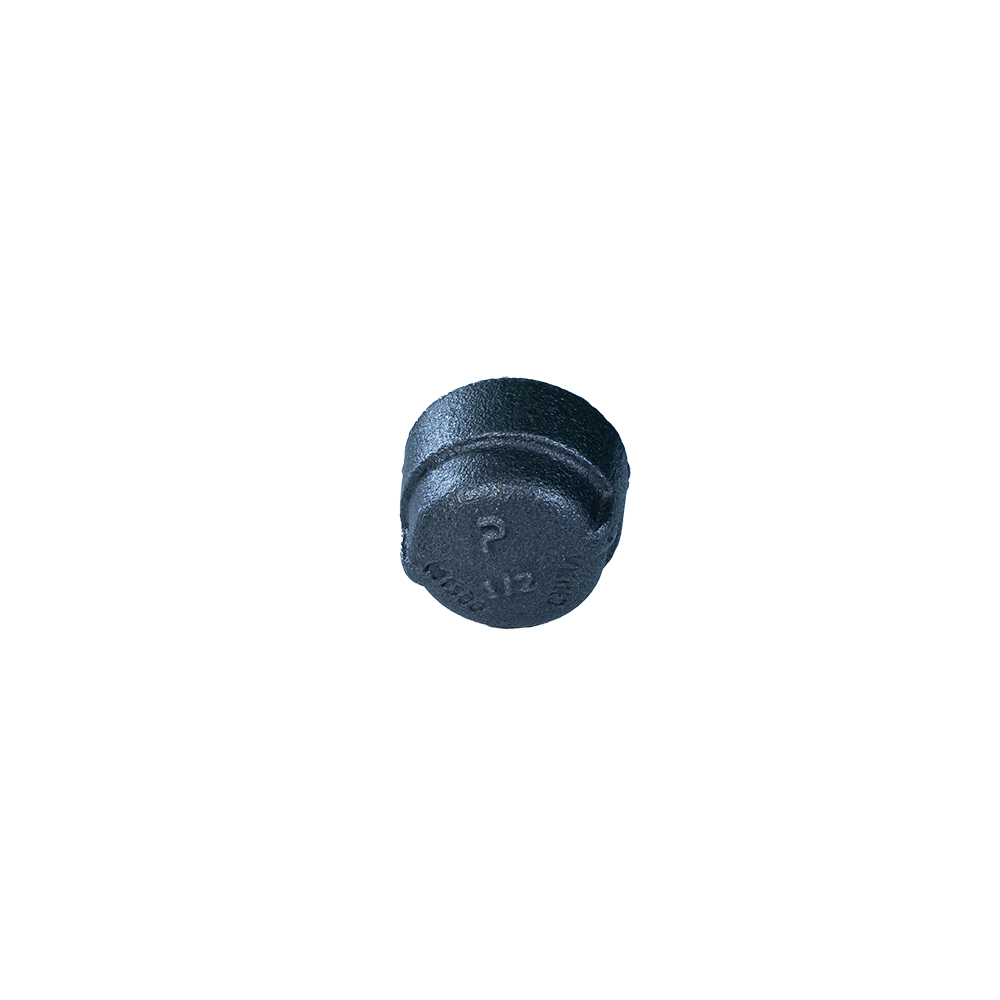
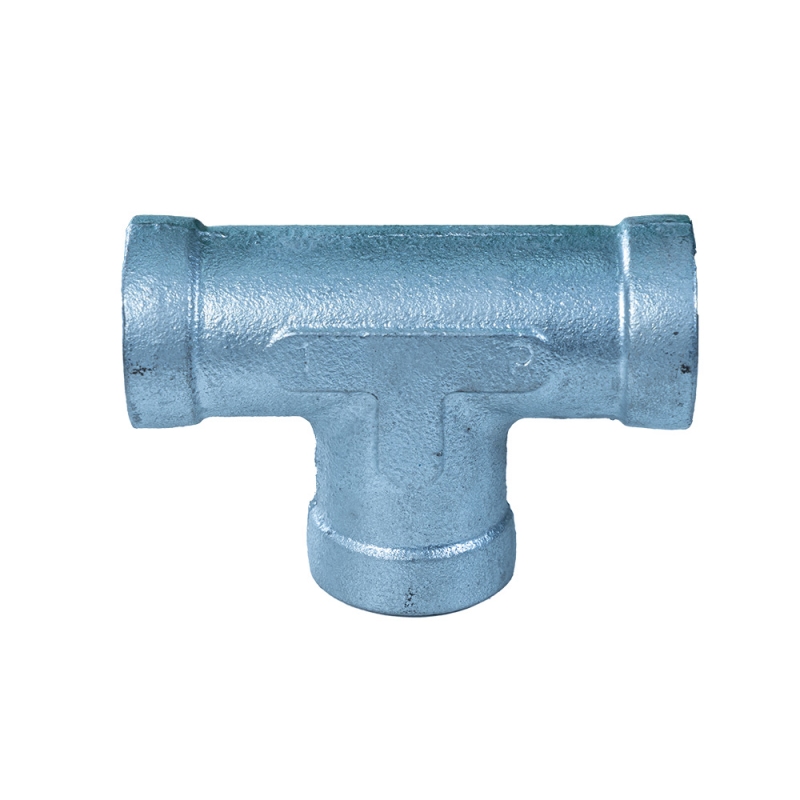
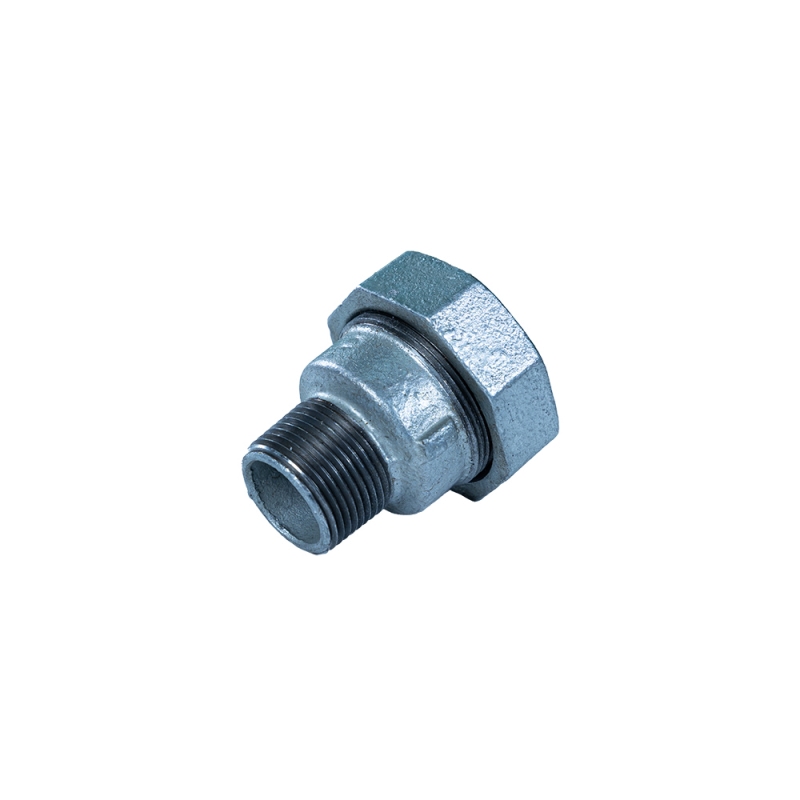
Simply put, a threads union is a mechanical coupling used to join two pipes or tubes, featuring screw-type threads on both ends that ensure a secure, leak-proof seal while allowing for easy disassembly. Think of it as a union—you know, like a handshake between two parts of a system that need to come apart without damage. They're vital in industries ranging from plumbing and oil & gas to chemical processing and HVAC systems.
For instance, in humanitarian water projects, well-selected threaded unions enable quick repairs or reconfigurations, which means communities get reliable water flow faster. The modular nature of threads union connections means systems can be scalable and easier to maintain.
Key Factors of Threads Union You Should Know
1. Durability
Durability refers to how well the threads union withstands pressure, corrosion, and physical wear. Stainless steel threaded unions, for example, resist rusting and are common in chemical industries. Durability directly impacts maintenance frequency and overall safety. Oh, and it affects cost-efficiency too—you don’t want unions that fail midway through operations.
2. Compatibility
Not all threads unions are created equal. They must match the piping diameter and thread standards—like BSP, NPT, or metric threads—to avoid leaks. This compatibility ensures that when you join pipes from different manufacturers or regions, everything fits snugly. Standards organizations, including ISO, provide guidelines to help engineers pick the right unions.
3. Ease of Installation
In fast-moving projects, the ease with which you can connect or disconnect unions impacts downtime and labor costs. Threaded unions designed with ergonomic grips or integrated locking features speed up installation and reduce human error. I recall a site visit where switching to quick-release threaded unions cut pipe assembly time by nearly 40%.
4. Pressure and Temperature Ratings
Depending on your industry, threaded unions may be exposed to extreme pressures or temperatures. That’s why unions come tested and rated for specific operational parameters. For example, unions used in oil rigs must withstand high pressure and fluctuating temperatures, or risk catastrophic failure. Always refer to manufacturer specs to ensure safety and longevity.
5. Cost Efficiency
While high-end materials may seem expensive upfront, their longer lifespan and reduced maintenance actually save money. Cheaper unions might cost less today but end up costing more if leaks occur or replacements come frequently. Good unions balance initial investment with lifetime value.
Threads Union Product Specification Table
| Specification | Typical Range | Notes |
|---|---|---|
| Material | Stainless Steel, Brass, Carbon Steel | Depends on chemical compatibility & temperature |
| Thread Type | NPT, BSP, Metric, Acme | Standardization ensures interchangeability |
| Max Pressure | Up to 6000 psi (approx.) | Critical for industrial & hydraulic systems |
| Temperature Range | -40°C to 400°C | Material dependent |
| Typical Sizes | 1/8" to 6" diameter | Custom sizes available on request |
Global Applications & Use Cases
If you pay attention, threads union are everywhere. Here are some notable examples:
- Water Treatment Plants: In places like Southeast Asia, threaded unions enable quick pipe maintenance, ensuring clean water flow in vulnerable communities.
- Oil & Gas Industry: The Middle East and North America rely heavily on high-pressure threaded unions to maintain pipeline integrity in demanding environments.
- Disaster Relief: NGOs in earthquake-hit regions use modular water and sanitation systems featuring threaded unions to facilitate swift assembly and repairs.
- Remote Industrial Zones: Mining operations in Australia and Canada use scalable union threaded assemblies to adapt infrastructure to evolving demands.
Vendor Comparison: Leading Threads Union Manufacturers
| Vendor | Material Options | Standard Certifications | Unique Feature | Typical Lead Time |
|---|---|---|---|---|
| PanNext Fittings | Stainless Steel, Carbon Steel, Brass | ISO 9001, ASTM | Custom threads and rapid prototyping | 2-3 weeks |
| Global Threads Co. | Brass, PVC | ISO 14001 | Eco-friendly coating options | 3-5 weeks |
| United Pipe Fitters | Carbon Steel, Alloy Steel | ASME B16.11 | High-temp specialty unions | 4 weeks |
Advantages & Long-Term Value of Threads Union
Choosing the right threads union means embracing:
- Reliability: Fewer leaks, less downtime, enhanced safety.
- Cost Savings: Reduced replacement frequency and labor.
- Sustainability: Reusable, recyclable materials, and standardized parts reduce waste.
- Social Impact: Better infrastructure supports health and dignity, especially in vulnerable communities.
It’s not just about nuts and bolts—it’s about trust. Trust that pipelines won’t fail, water won’t leak, and processes remain uninterrupted. In a way, threads union represent a quiet promise of safety.
Looking Ahead: Trends & Innovations in Threads Union
Interesting innovations are stirring up threads union design. Consider bi-metallic threaded unions that combine corrosion-resistant material on the outside with strong internal metals, or smart threaded unions embedded with sensors that monitor pressure and integrity in real time. There’s also a push for greener manufacturing and digital design tools optimizing custom threads for unique applications. Oddly enough, the future feels more interactive and sustainable.
Challenges & How Experts Overcome Them
Of course, challenges remain. Misalignment of threads, cross-threading, and material degradation can cause failures. Sometimes, incompatible standards or regional supply issues complicate procurement. However, expert engineers often rely on precision machining, quality control certifications, and training to overcome these. Also, vendors like PanNext Fittings emphasize rapid prototyping and customization to avoid standard mismatch issues.
FAQ: Threads Union Essentials
- Q: What is the main difference between NPT and BSP threads in unions?
A: NPT (National Pipe Thread) is tapered and used mainly in North America, while BSP (British Standard Pipe) has both tapered and parallel types, common in Europe and Asia. Selecting the correct type prevents leaks and fit issues. - Q: How long do threaded unions typically last in industrial settings?
A: Lifespan varies by material and environment but generally ranges from 10 to 30 years with proper maintenance and correct application. - Q: Can threaded unions be reused after disassembly?
A: Yes, if inspected for wear and damage, threaded unions can be reused, which reduces costs and waste. - Q: Are threads union fittings compatible with modular piping systems?
A: Absolutely. Their design inherently supports modular and scalable piping configurations common in modern industrial projects.
Conclusion: Why Invest in Quality Threads Unions?
In sum, threads union are simple yet indispensable components bolstering industrial safety, efficiency, and sustainability worldwide. Their role is often overlooked until something goes wrong—but with the right knowledge, you can avoid those pitfalls. If you’re looking to explore trusted suppliers or need custom solutions, don’t hesitate to visit PanNext Fittings—they’re leaders in precision and reliability.
Quick takeaway: Threads unions might be small, but their impact on global infrastructure is huge—and mastering their use is simply smart engineering.
References
Post time: Dec-02-2025