
Understanding Full Coupling NPT: A Comprehensive Guide
In the world of piping systems and fluid transfer, ensuring a secure and leak-proof connection is paramount. Full coupling NPT fittings are a critical component in achieving this, especially when dealing with tapered threads. This article will delve into what full coupling NPT fittings are, their applications, benefits, how they differ from other coupling types, and crucial considerations for selecting the right fitting for your needs. We'll cover everything you need to know about this essential piping component.
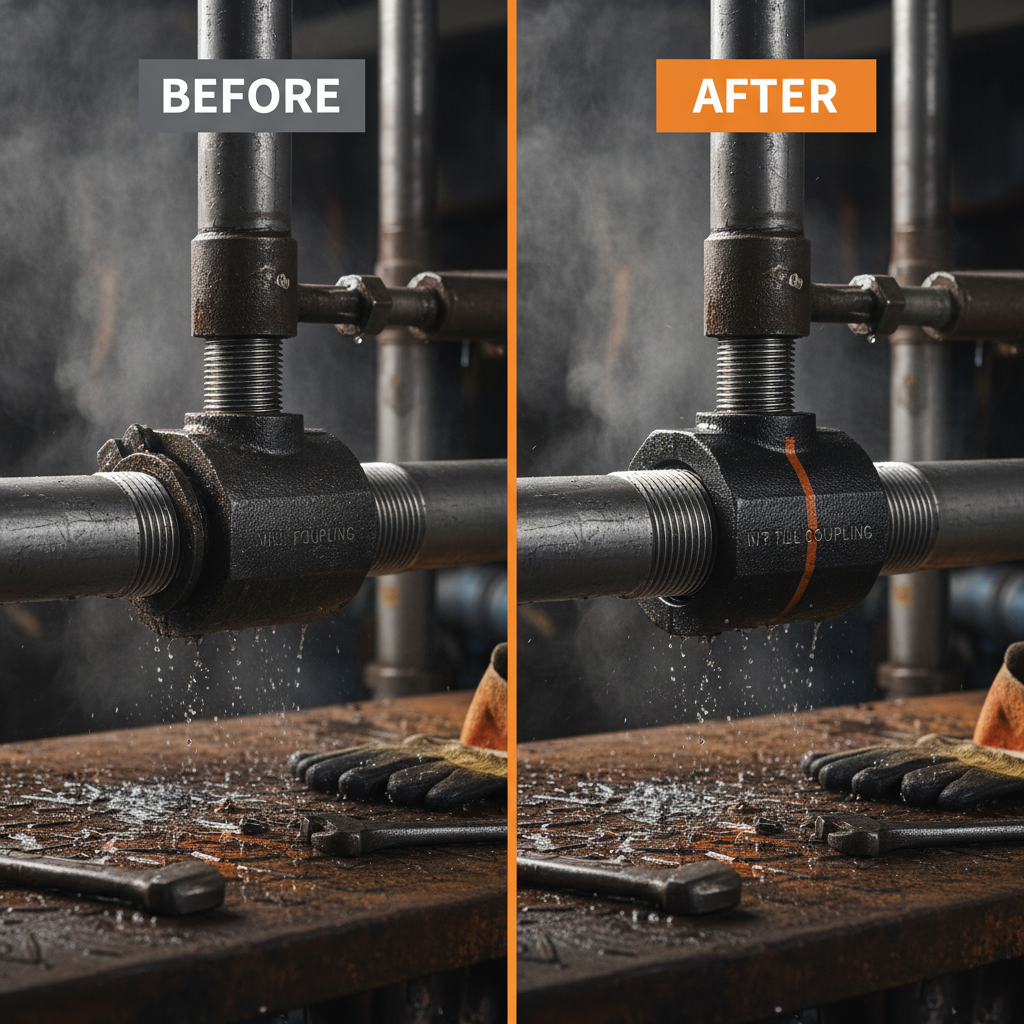
What are Full Coupling NPT Fittings?
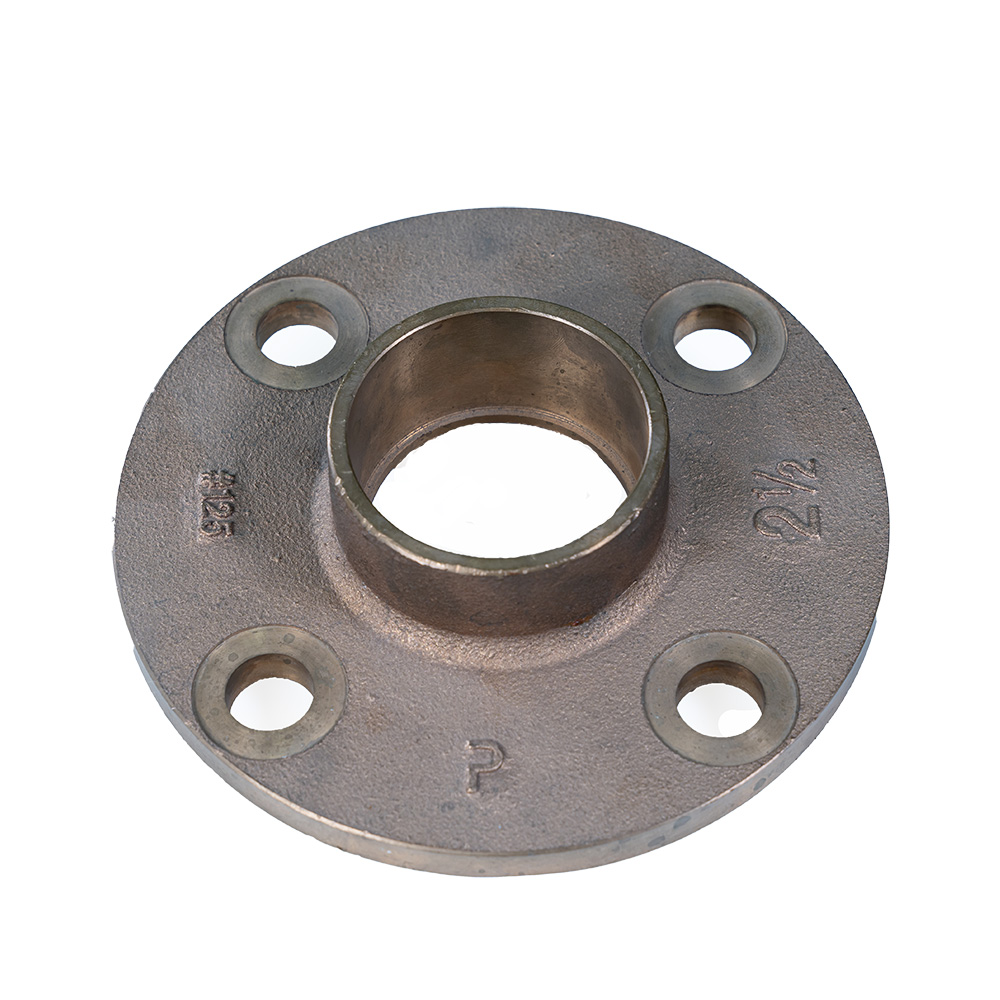
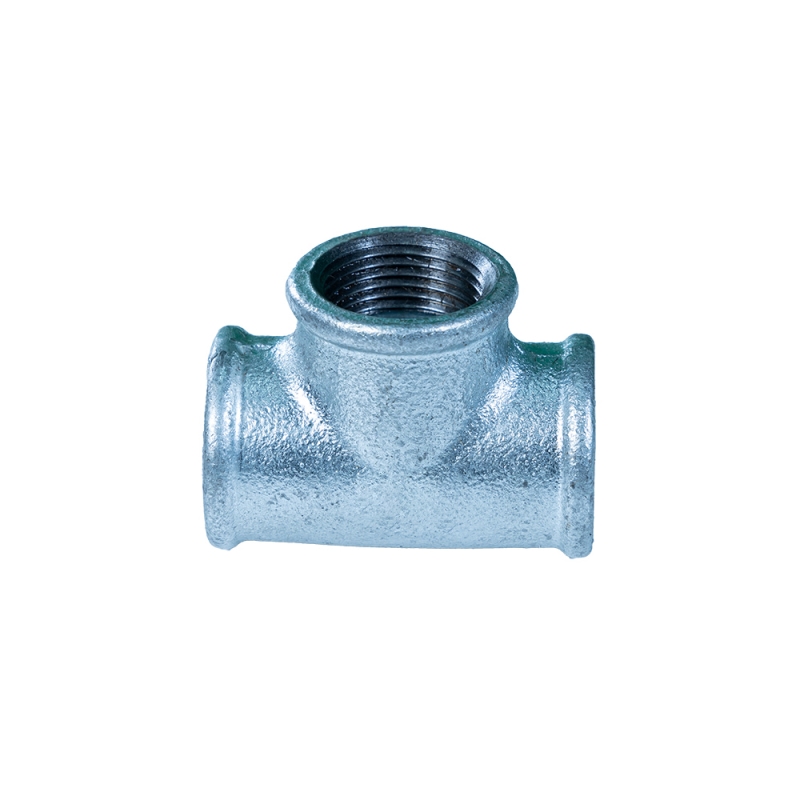
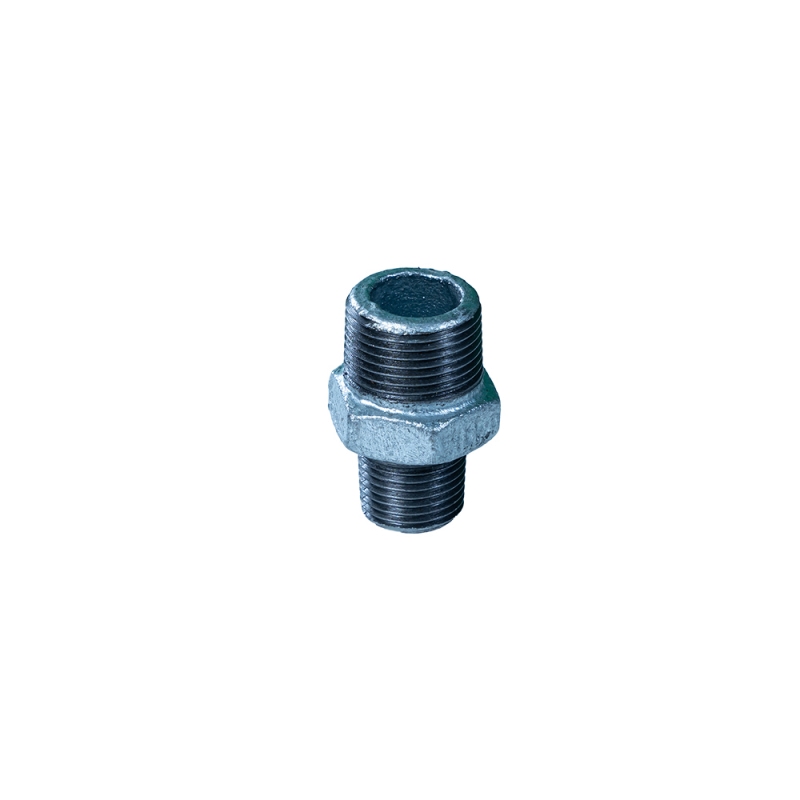
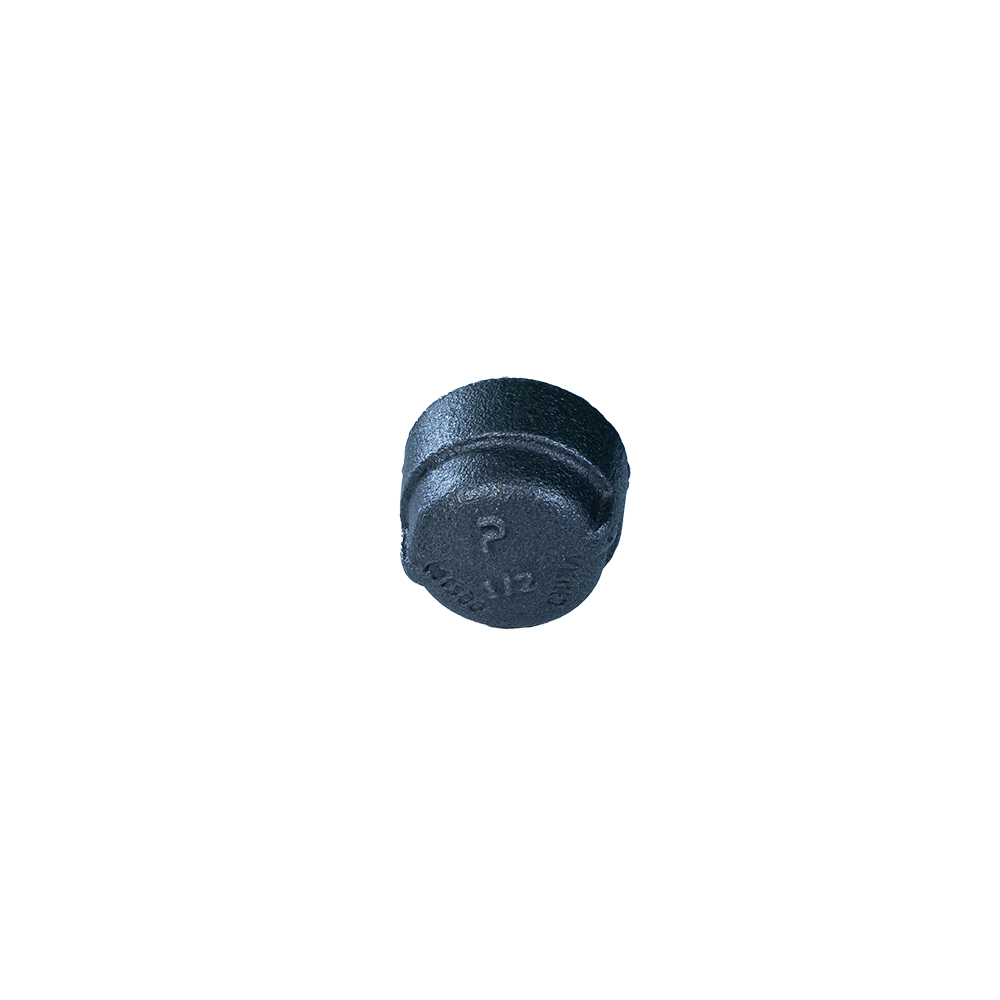
A full coupling NPT fitting, often simply called an NPT coupling, is a component used to join two sections of threaded pipe of the same diameter. “NPT” stands for National Pipe Tapered, indicating the type of thread used. The tapered design is key: as you tighten the fitting, the threads wedge together, creating a tighter, leak-resistant seal. “Full” signifies that the coupling connects two pipes directly without any reduction in pipe diameter. These fittings are widely employed in various industries, including plumbing, oil and gas, automotive, and irrigation, where reliable fluid conveyance is essential. You can find a wide range of NPT fittings at Pannext Fittings.
Key Highlights: NPT fittings create a mechanical seal through tapered threads, making them highly reliable for various applications. They are available in a variety of materials including stainless steel, carbon steel, brass, and PVC.
Applications of Full Coupling NPT Fittings
The versatility of full coupling NPT fittings allows for their use in diverse scenarios. In plumbing systems, they are used to extend pipe runs or repair damaged sections. Within the oil and gas industry, they play a crucial role in connecting pipelines and equipment. In automotive applications, they’re found in fuel lines and cooling systems. Agricultural irrigation systems rely on them for joining sections of PVC or polyethylene pipe. Their robust construction and reliable sealing properties make them indispensable in any application where fluid or gas transport is required.
Application Areas:
• Plumbing Systems
• Oil & Gas Pipelines
• Automotive Fuel Lines
• Agricultural Irrigation
Full Coupling NPT vs. Other Coupling Types
While various coupling types exist, NPT fittings stand out due to their tapered thread design, which provides an inherently tighter seal compared to parallel threads. Unlike compression fittings, which rely on compression to seal, NPT fittings create a mechanical interlock. Compared to flare fittings, NPT fittings are generally easier to install and require less specialized tooling. The choice of coupling type ultimately depends on the specific application's requirements, but NPT fittings are often preferred for their reliability and ease of use.
Key Considerations When Selecting Full Coupling NPT Fittings
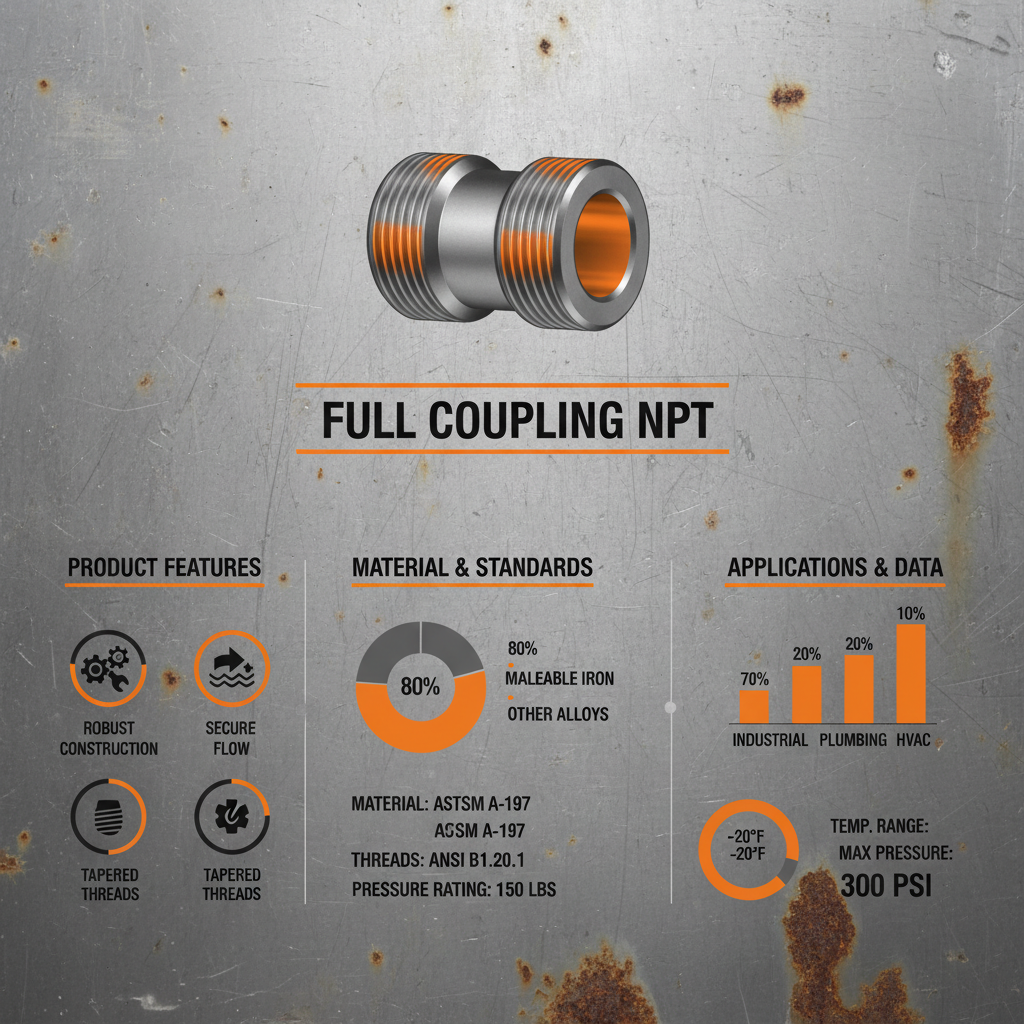
Choosing the correct full coupling NPT fitting requires careful consideration of several factors. First, ensure the fitting material is compatible with the fluid being conveyed to prevent corrosion or contamination. Stainless steel is a popular choice for its corrosion resistance, while brass is suitable for non-corrosive applications. Second, verify the pipe size and thread type to ensure a proper fit. Finally, consider the pressure and temperature requirements of the system to select a fitting rated to withstand those conditions. Pannext Fittings provides detailed specifications for all its NPT fittings to assist in making informed decisions.
Installation Best Practices for NPT Fittings
Proper installation is crucial for ensuring a leak-proof seal with NPT fittings. Always use thread sealant (pipe dope or Teflon tape) to lubricate the threads and fill any gaps. Apply the sealant evenly and avoid getting it inside the pipe. Tighten the fitting firmly, but avoid over-tightening, which can damage the threads. A properly tightened fitting will create a secure, leak-resistant connection. Inspect the connection after installation to confirm its integrity. You can find detailed installation guides and resources on the Pannext Fittings website.
Conclusion: The Importance of Reliable NPT Couplings
Full coupling NPT fittings are essential components in a wide range of fluid and gas handling systems. Understanding their applications, benefits, and proper installation techniques is crucial for ensuring the safety and efficiency of these systems. By selecting high-quality fittings from reputable suppliers like Pannext Fittings, you can ensure reliable and leak-proof connections for years to come.
Frequently Asked Questions (FAQs)
What is the difference between NPT and NPS threads?
NPT (National Pipe Tapered) and NPS (National Pipe Straight) are both American standards for pipe threads. The key difference is that NPT threads are tapered, creating a mechanical seal when tightened, while NPS threads are straight and require a sealant or gasket to prevent leaks. NPT is generally preferred for pressure-tight applications, while NPS is used for applications where a non-pressure-tight seal is acceptable.
Do I need to use thread sealant with NPT fittings?
Yes, it is highly recommended to use thread sealant (pipe dope or Teflon tape) with NPT fittings. While the tapered threads create a mechanical seal, sealant helps lubricate the threads for easier installation, fills any minor gaps, and further prevents leaks. Without sealant, the fitting may not achieve a completely leak-proof connection.
What materials are NPT fittings typically made from?
NPT fittings are commonly made from a variety of materials, including stainless steel, carbon steel, brass, PVC, and polypropylene. The choice of material depends on the application and the fluid being conveyed. Stainless steel is ideal for corrosive environments, brass is suitable for general plumbing, PVC is lightweight and cost-effective, and polypropylene offers excellent chemical resistance.
Post time: Mar-17-2026