
Understanding Female NPT Couplings: A Comprehensive Guide
Female National Pipe Thread (NPT) couplings are essential components in various industries for creating secure and leak-proof connections in piping systems. They are particularly prevalent in applications involving fluids, gases, and hydraulics. This article will provide an in-depth look at female NPT couplings, covering their features, applications, materials, installation, and important considerations for choosing the right coupling for your specific needs. Understanding these fittings is crucial for ensuring the integrity and safety of your fluid transfer systems.
What is a Female NPT Coupling?
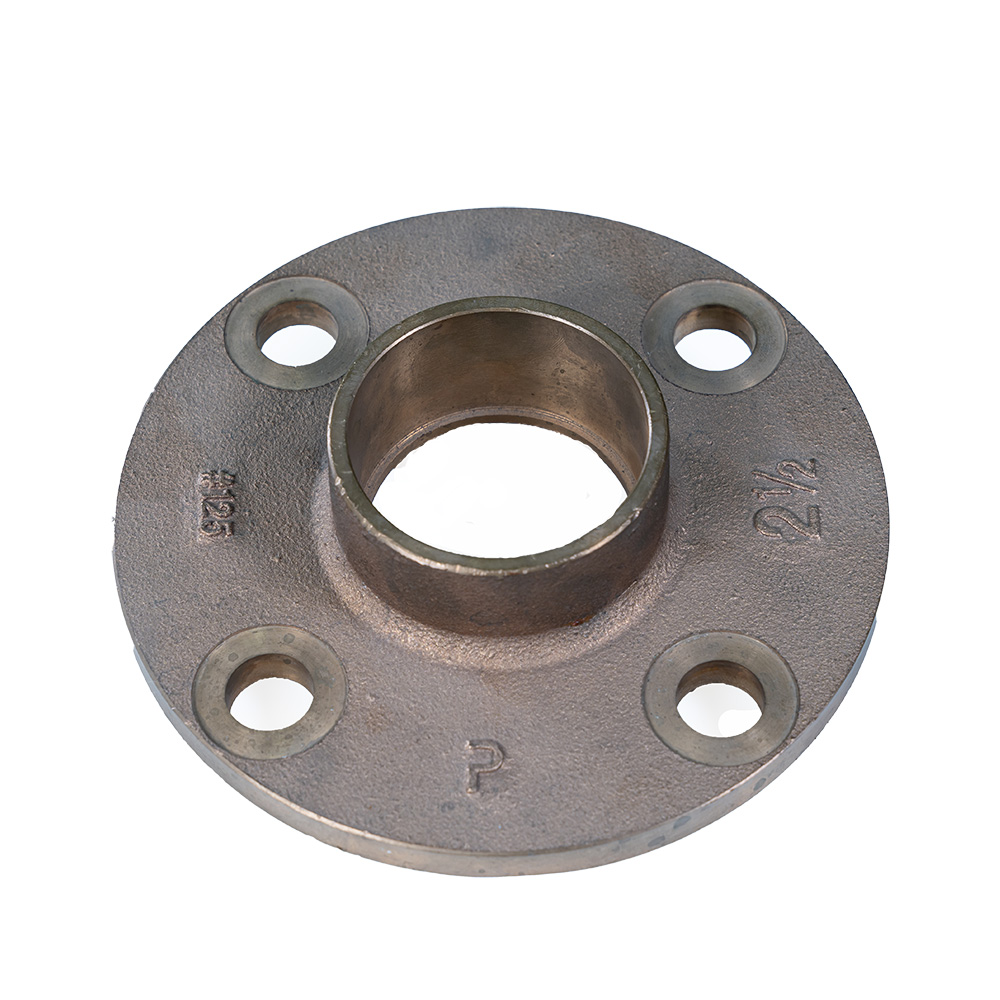
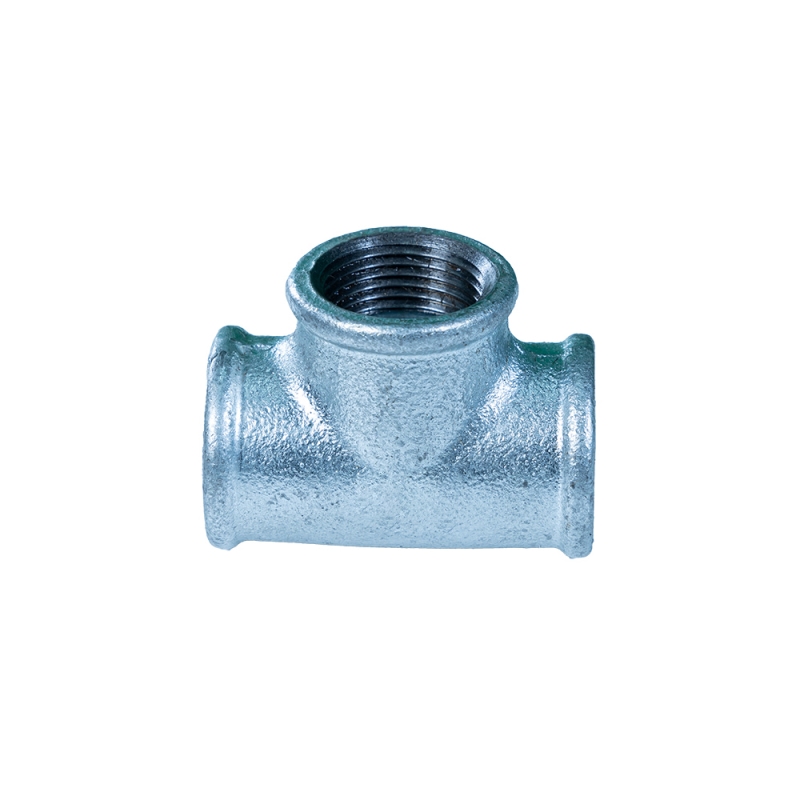
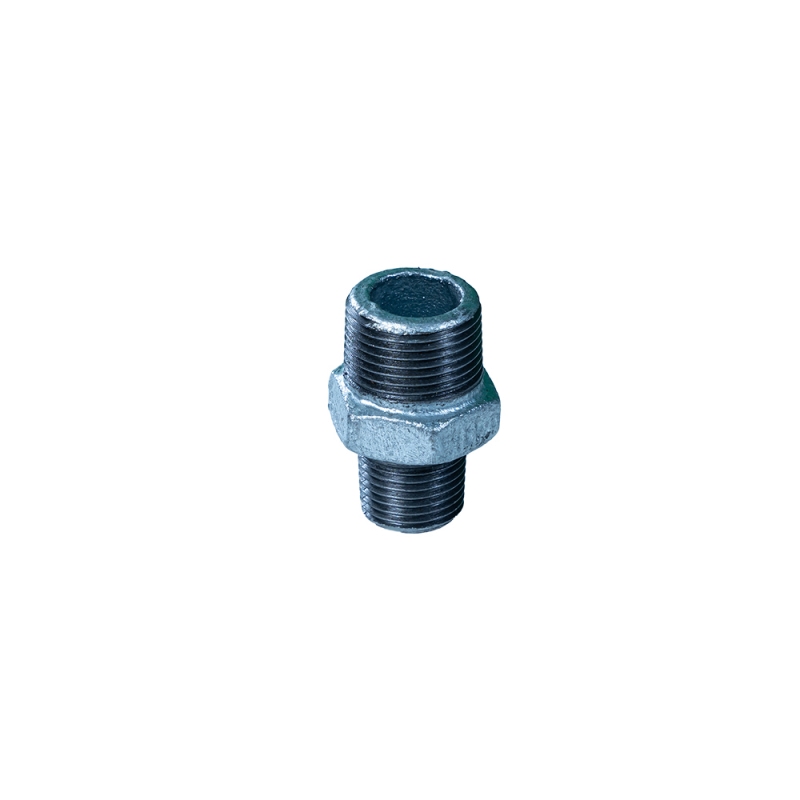
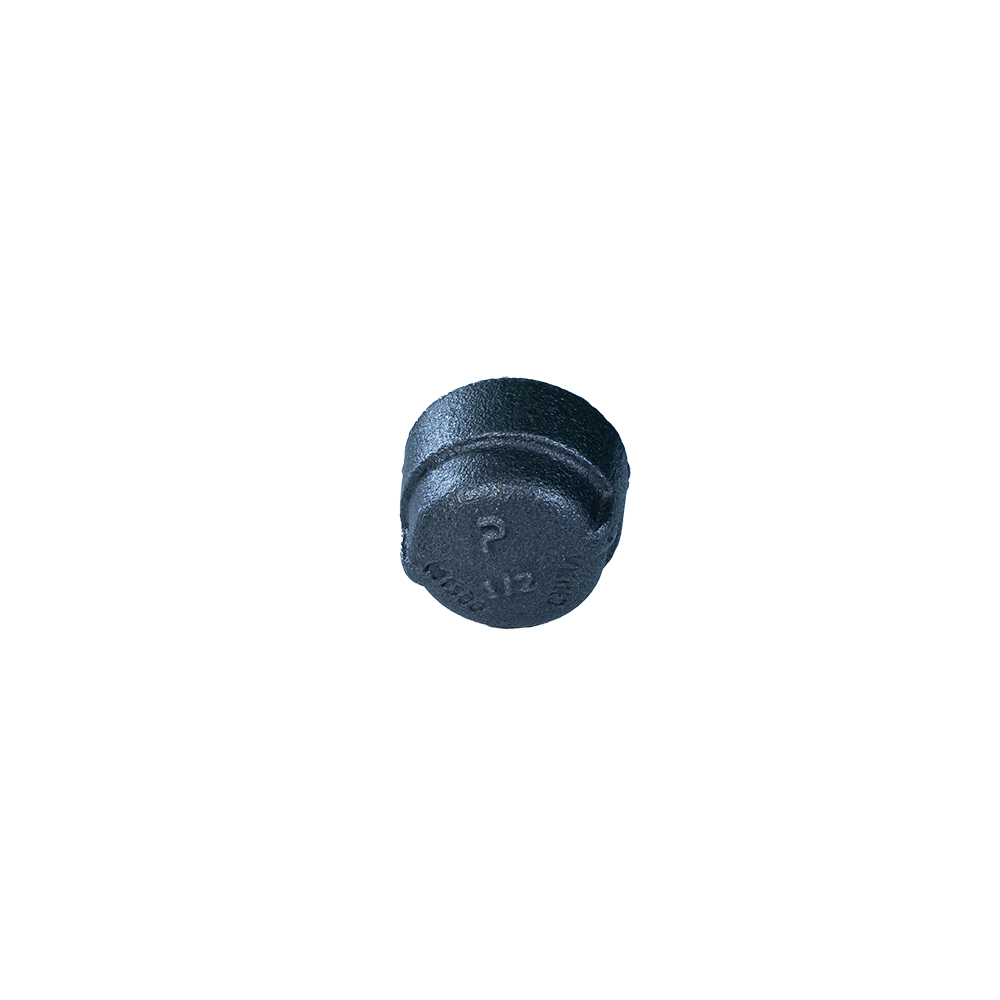
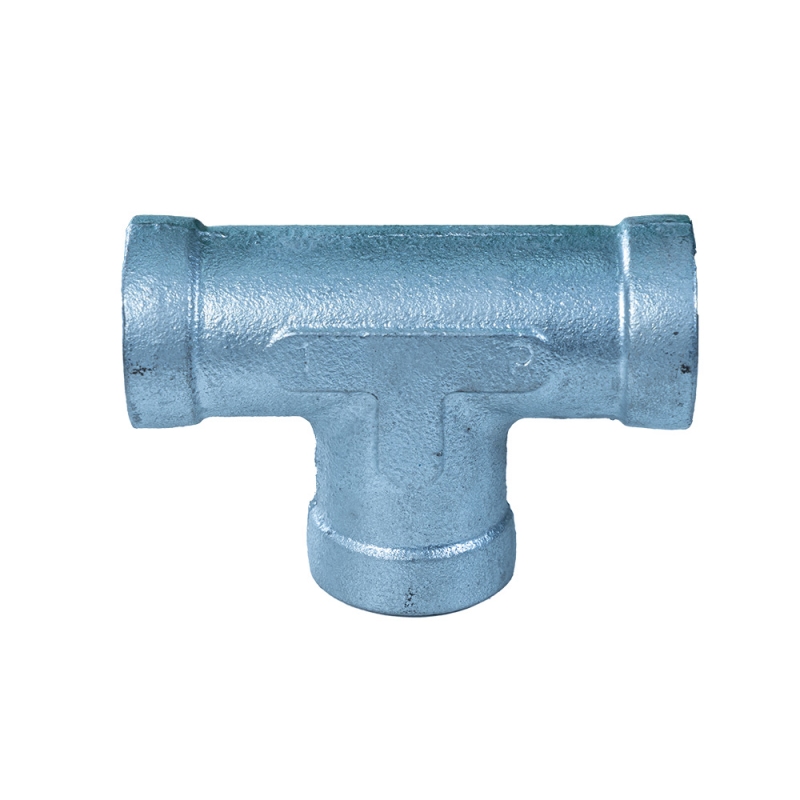
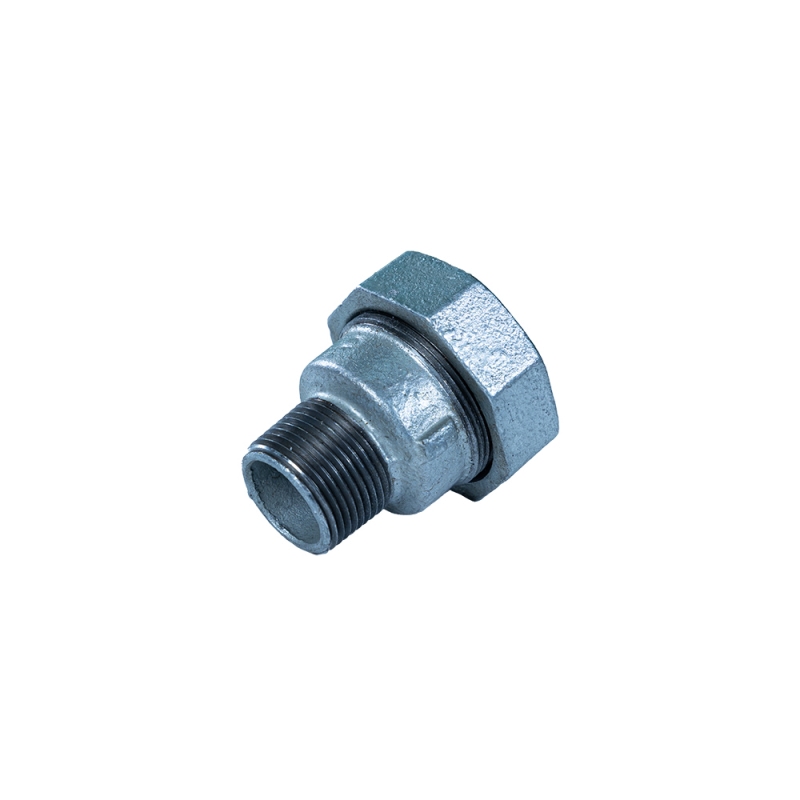
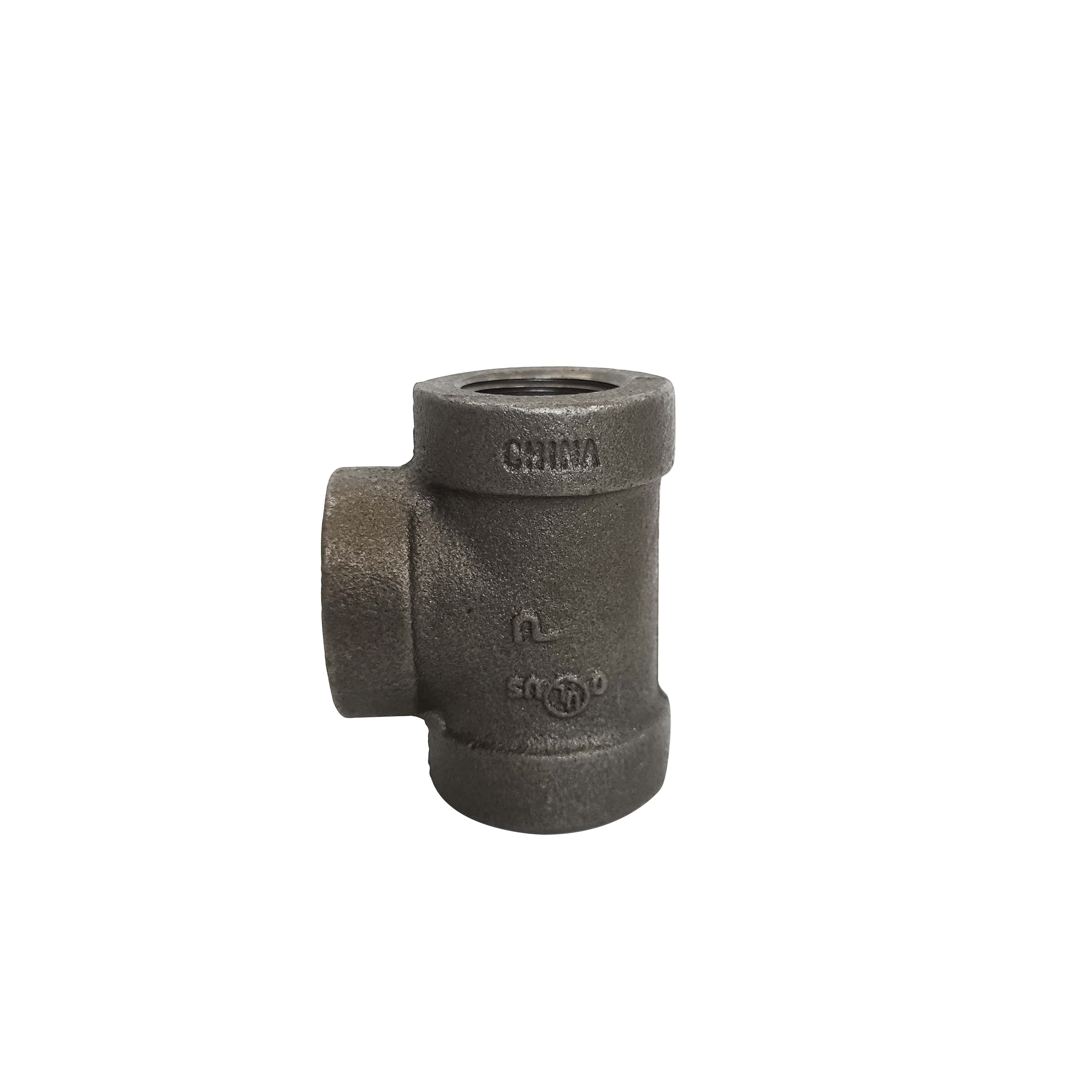
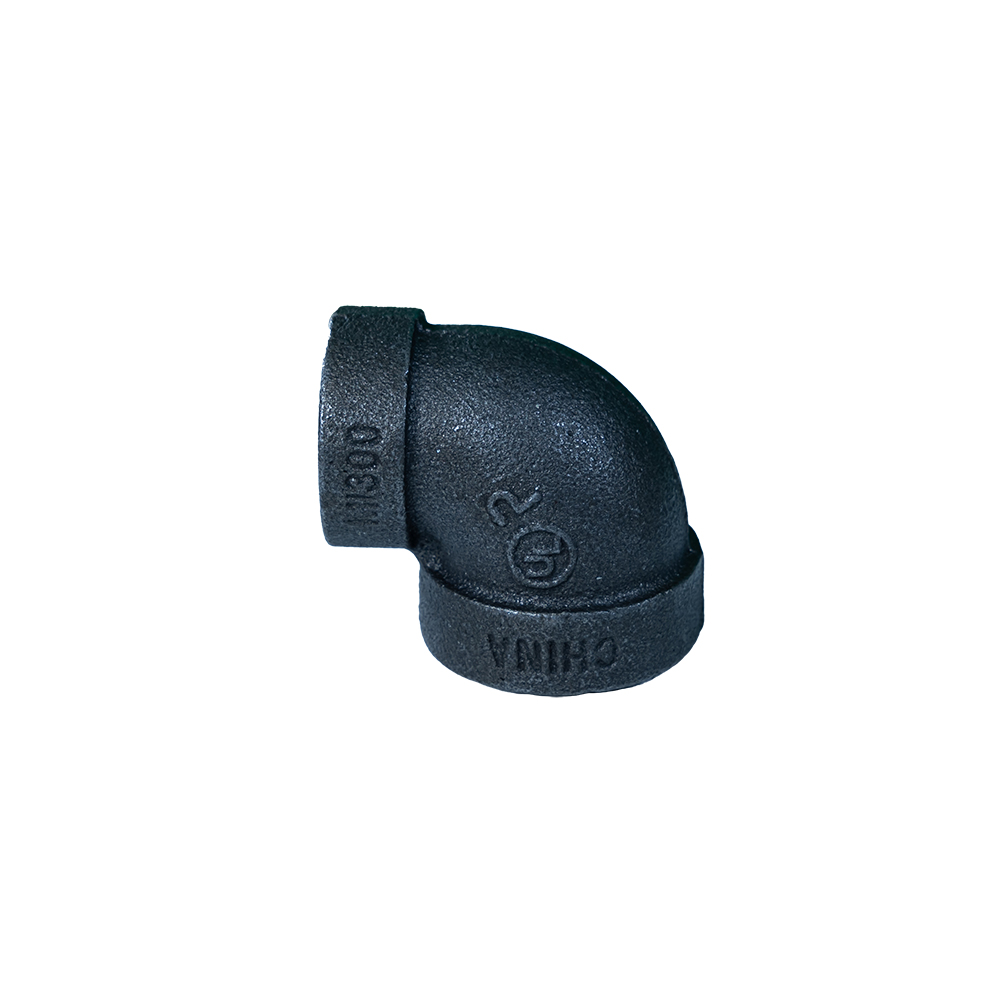
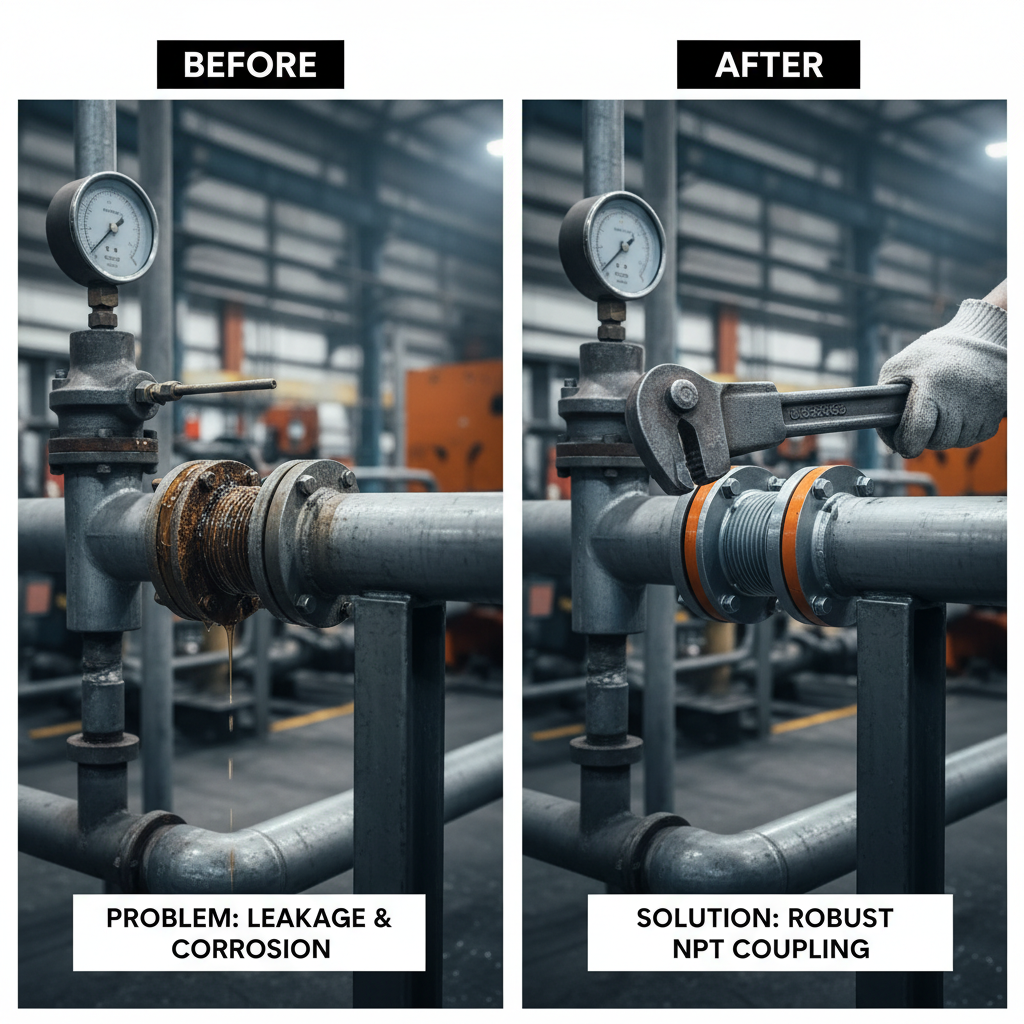
A female NPT coupling features internal threads designed to mate with male NPT threads. The "NPT" designation signifies a tapered thread standard, meaning the threads are angled, creating a tighter seal as the coupling is tightened. This tapered design, combined with the use of thread sealant, ensures a leak-resistant connection, even under high pressure. Female NPT couplings are commonly used to connect pipes, hoses, valves, and other components in systems handling various media, ranging from water and oil to chemicals and gases. Pannext Fittings specializes in high-quality NPT couplings for diverse industrial applications.
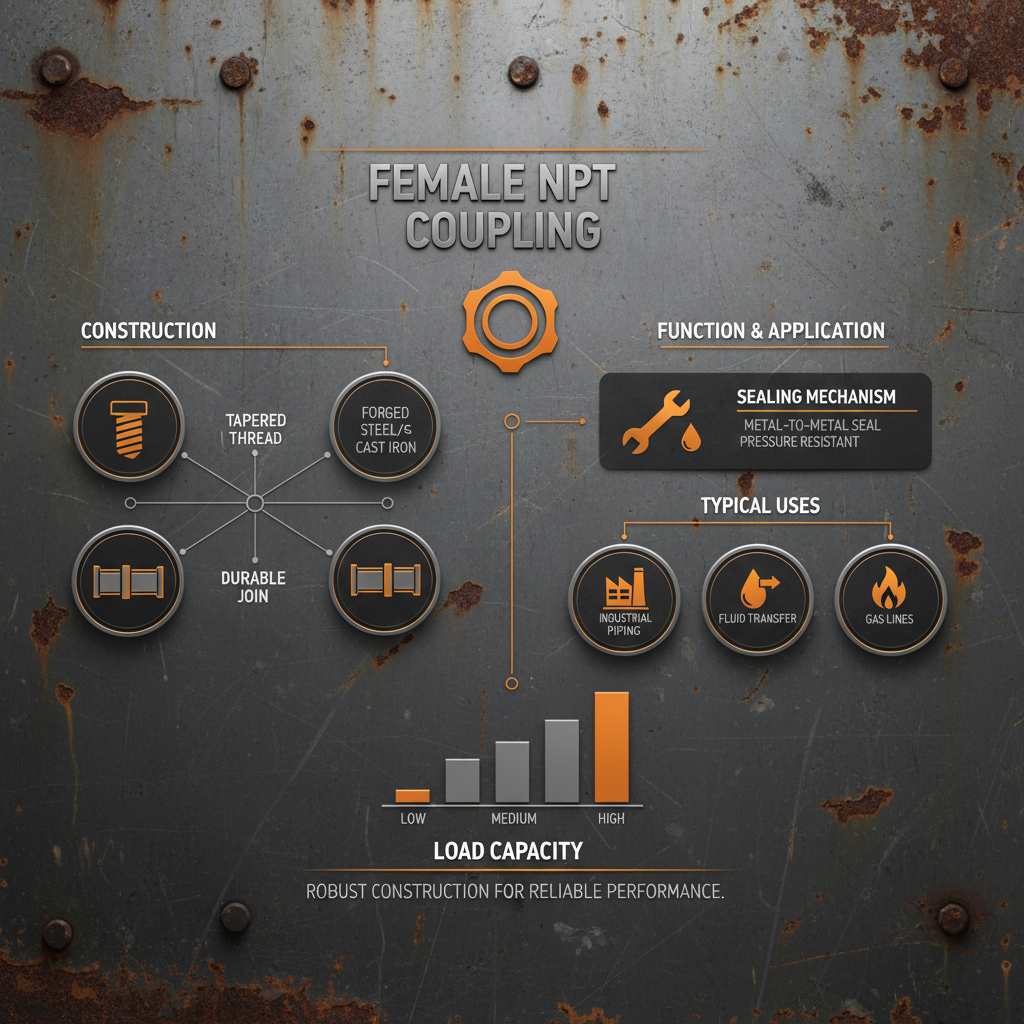
Key Characteristics: Tapered internal threads for secure connection, compatible with male NPT fittings, requires thread sealant for leak-proof performance, available in various materials and sizes.
Common Materials Used in Female NPT Couplings
Female NPT couplings are manufactured from a variety of materials, each offering unique properties to suit specific application requirements. Common materials include:
- Brass: Excellent corrosion resistance, suitable for water, oil, and gas applications.
- Stainless Steel: High strength and corrosion resistance, ideal for harsh environments and aggressive media. Grades like 304 and 316 are frequently used.
- Carbon Steel: Provides high strength and is cost-effective, but may require protective coatings to prevent corrosion.
- Plastic (PVC, PP, PVDF): Lightweight, corrosion-resistant, and suitable for low-pressure applications involving chemicals.
The selection of the appropriate material is crucial for ensuring the long-term performance and reliability of the coupling. Consider the media being handled, the operating temperature, and the pressure requirements when choosing a material.
Material Selection Considerations:
• Compatibility with the fluid or gas being handled.
• Operating temperature and pressure.
• Environmental factors (corrosion, UV exposure).
• Cost and availability.
Female NPT Coupling vs. Other Coupling Types
While several types of couplings exist, NPT couplings offer specific advantages. Compared to parallel thread couplings, NPT couplings provide a tighter, more reliable seal due to their tapered design. They are also easier to disassemble than some other types. However, they are not ideal for frequent disassembly and reassembly, as the threads can wear over time. Here's a quick comparison:
Applications of Female NPT Couplings
Female NPT couplings find widespread use across numerous industries. Some common applications include:
- Hydraulic Systems: Connecting hydraulic hoses and components in machinery and equipment.
- Pneumatic Systems: Joining air lines and pneumatic tools.
- Plumbing: Connecting pipes and fixtures in water supply and drainage systems.
- Chemical Processing: Handling corrosive and non-corrosive chemicals.
- Oil and Gas: Connecting pipelines and equipment in oil and gas production and transportation.
The versatility and reliability of female NPT couplings make them a preferred choice for a wide range of fluid handling applications. Pannext Fittings provides solutions for even the most demanding environments.
Proper Installation and Safety Considerations
Correct installation is paramount for ensuring a leak-proof and safe connection. Always use a suitable thread sealant (e.g., Teflon tape or pipe dope) to fill the gaps between the threads. Tighten the coupling securely, but avoid over-tightening, which can damage the threads. It's crucial to follow these safety guidelines:
- Always depressurize the system before disconnecting or installing couplings.
- Wear appropriate personal protective equipment (PPE), such as gloves and safety glasses.
- Inspect couplings for damage before use.
- Ensure compatibility between the coupling material and the fluid being handled.
Conclusion: Choosing the Right Female NPT Coupling
Selecting the appropriate female NPT coupling is essential for the safe and efficient operation of your fluid handling systems. By considering the material, application, and installation guidelines discussed in this article, you can ensure a reliable and leak-proof connection. Trust Pannext Fittings for high-quality NPT couplings and expert support.
Frequently Asked Questions (FAQs)
What type of thread sealant should I use with NPT couplings?
The best thread sealant depends on the fluid being handled. Teflon tape is a versatile option for many applications, providing good resistance to a wide range of chemicals. Pipe dope (thread compound) offers a more robust seal, particularly for high-pressure applications or with fluids that may be prone to leakage. Always ensure the sealant is compatible with the fluid to avoid corrosion or degradation of the system. When using Teflon tape, apply it in the direction of the threads to prevent it from unraveling during assembly.
Can I reuse an NPT coupling?
While it’s possible to reuse an NPT coupling, it's generally not recommended, especially in critical applications. Each time a coupling is tightened and loosened, the threads become worn and less able to create a secure seal. Reusing a coupling increases the risk of leaks and potential failure. It’s best practice to replace NPT couplings after disassembly, particularly if they show any signs of damage or wear.
What is the difference between NPT and NPS threads?
NPT (National Pipe Tapered) threads are tapered, creating a mechanical seal when tightened. NPS (National Pipe Straight) threads are parallel (straight) and require a sealing ring or gasket to create a leak-proof connection. NPT threads are more common for general plumbing and fluid transfer, while NPS threads are often used in applications requiring frequent disassembly and reassembly. They are not interchangeable and attempting to connect them can cause damage.
How do I determine the correct size NPT coupling?
The size of the NPT coupling must match the size of the male threads it will be connected to. NPT sizes are typically designated by a nominal pipe size (e.g., 1/2", 3/4", 1"). It’s crucial to measure the outside diameter of the male threads or refer to the specifications of the connected components to ensure proper sizing. Using an incorrect size can lead to leaks and damage to the system.
Post time: Mar-14-2026