
Understanding NPT Female Couplings: A Comprehensive Guide
NPT female couplings are essential components in various fluid transfer systems, particularly in industries like oil & gas, plumbing, and hydraulic applications. These couplings provide a reliable and secure connection for pipes and fittings, ensuring leak-proof performance. Choosing the right NPT female coupling is critical for the efficiency and safety of your operations. This guide explores everything you need to know about these couplings, from their features and applications to material options and best practices.
What is an NPT Female Coupling?
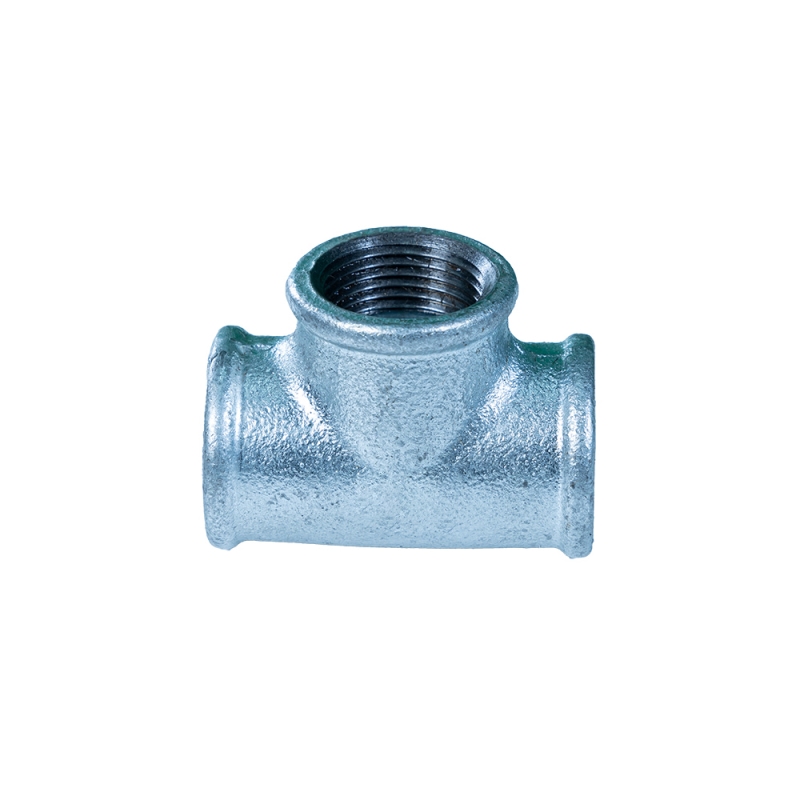
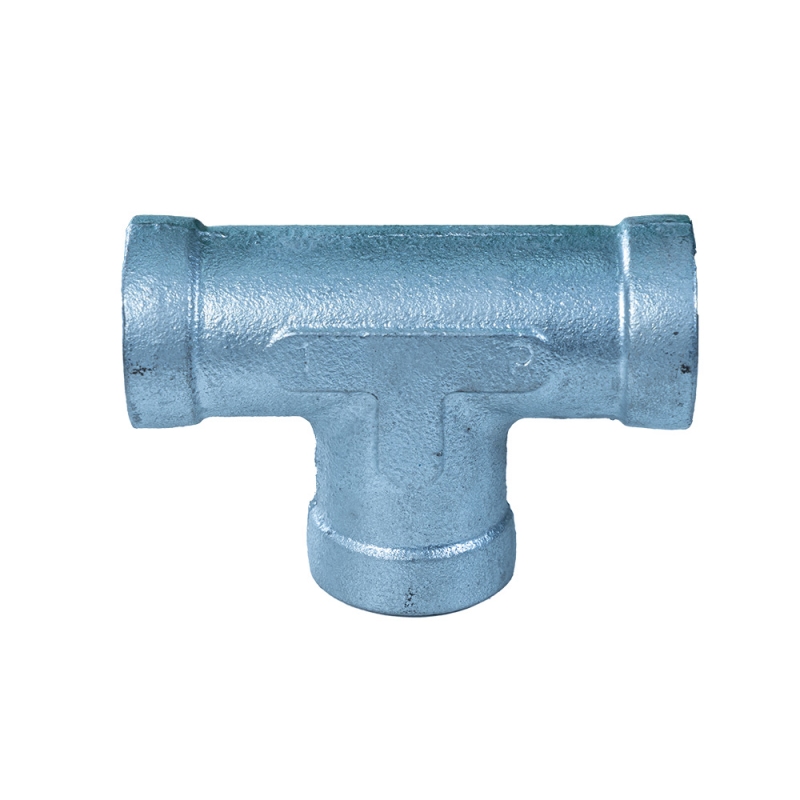
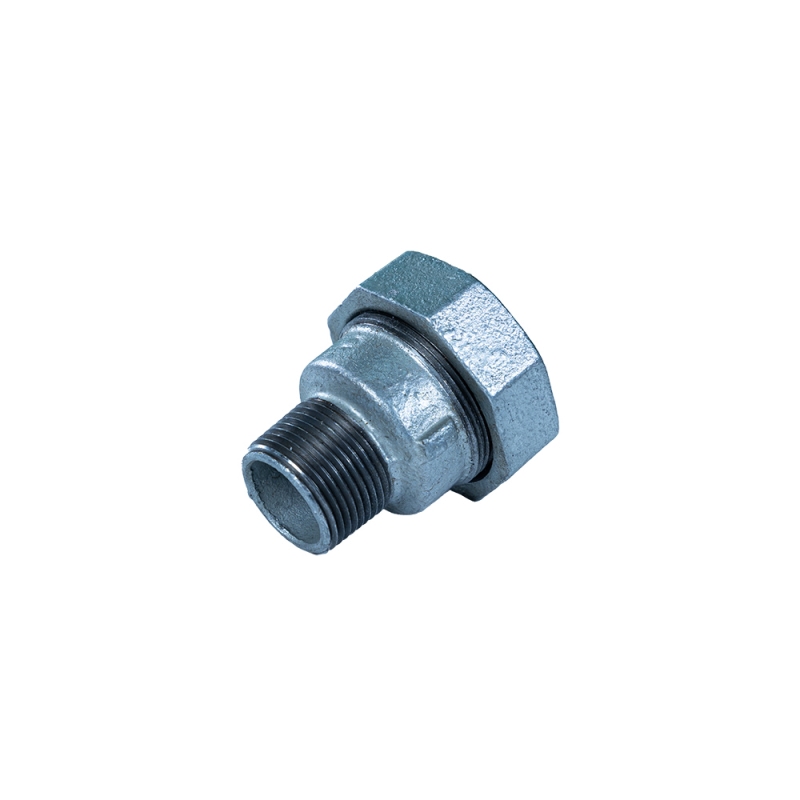
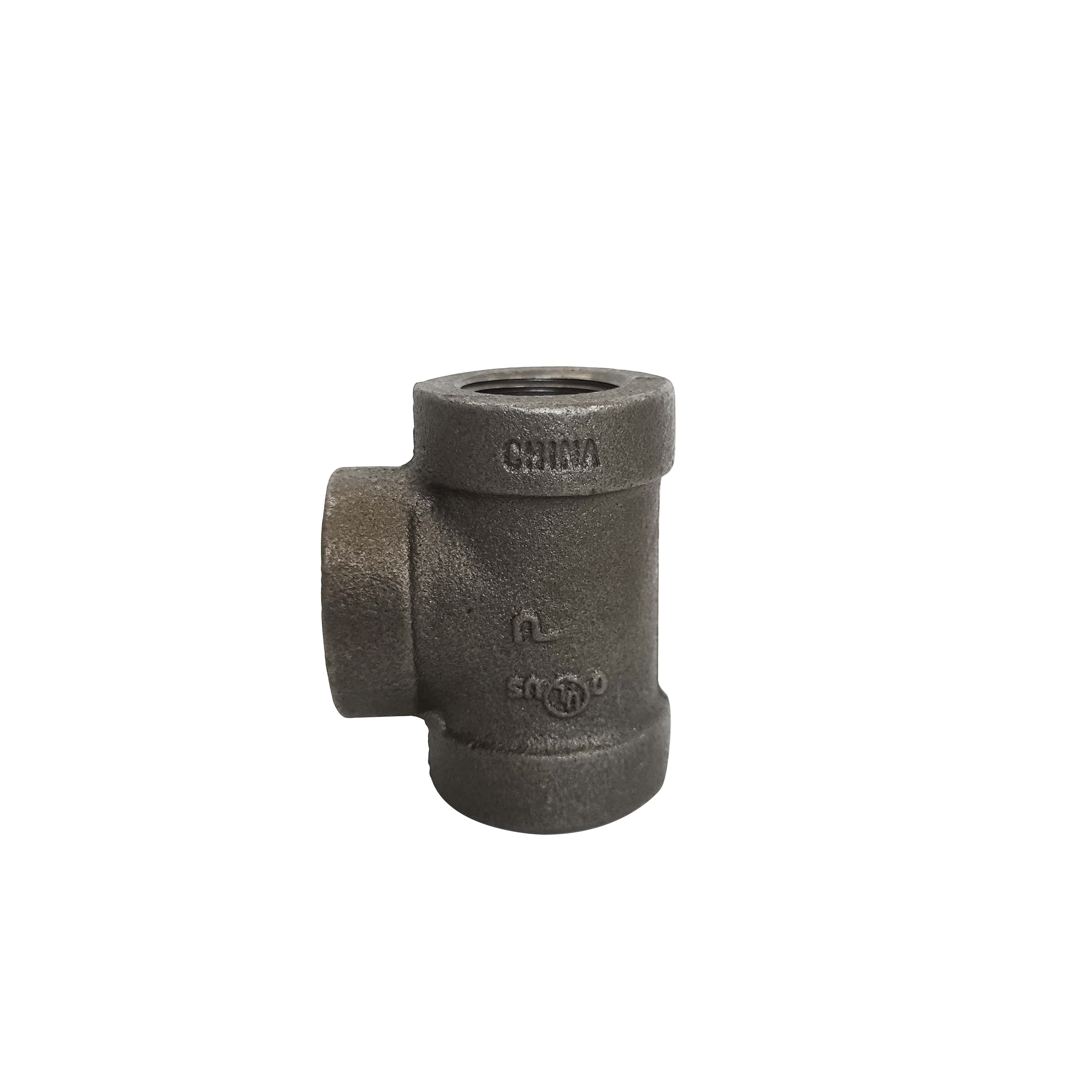
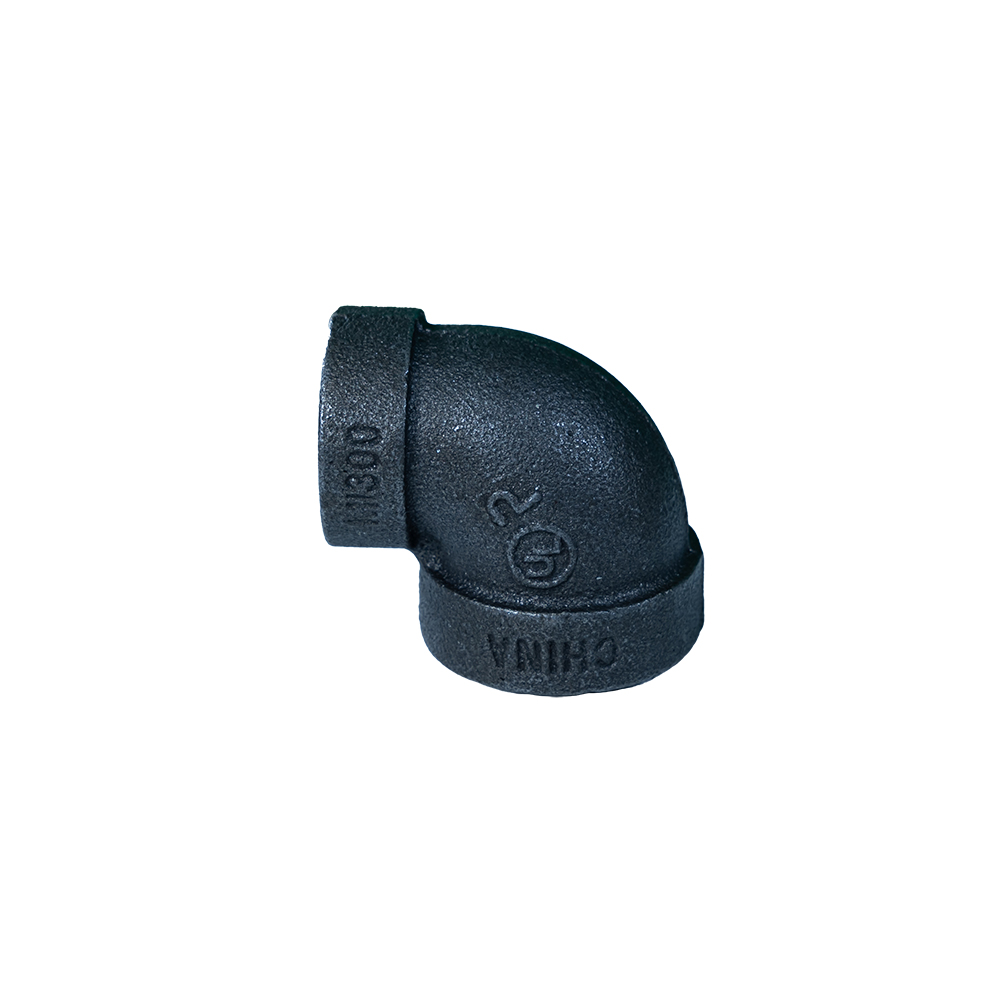
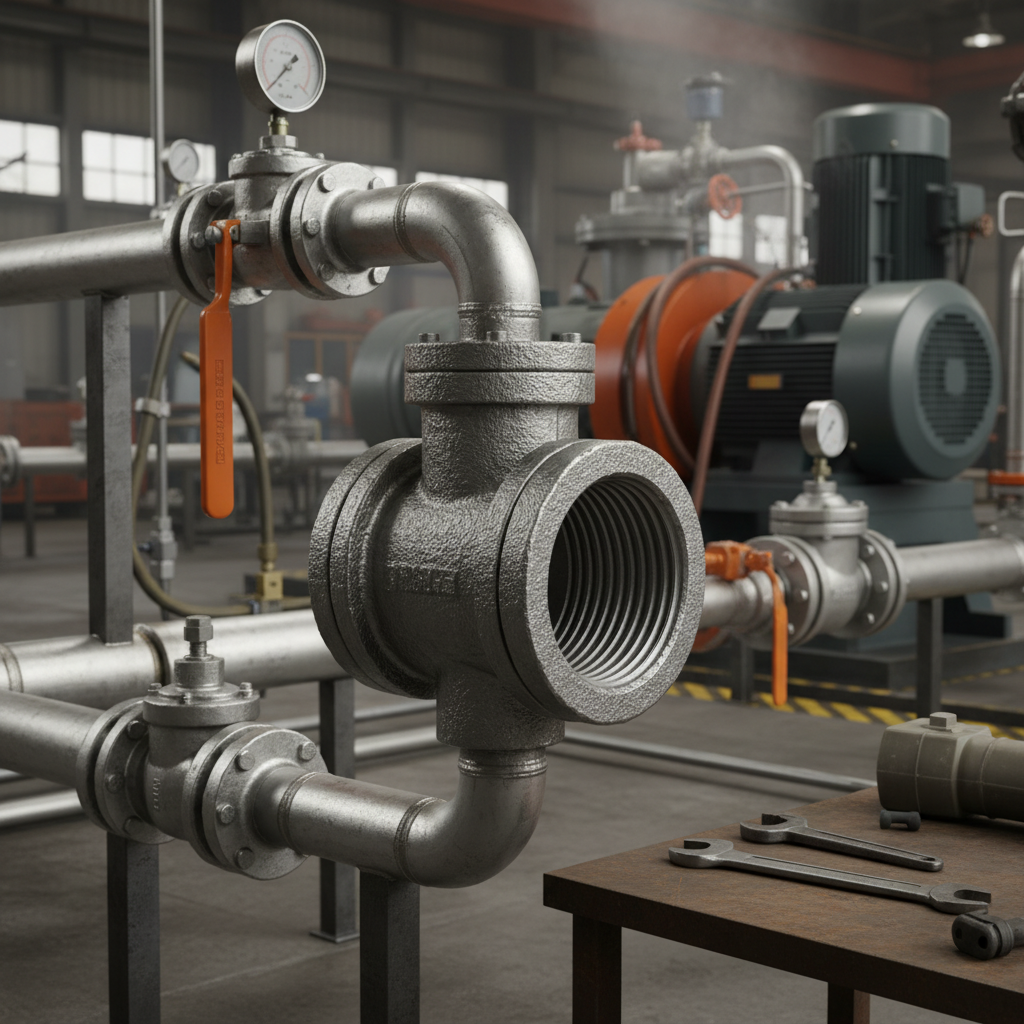
An NPT (National Pipe Taper) female coupling is a fitting with female threads designed to connect to a male NPT thread. The tapered threads create a tight, mechanical seal when tightened, preventing leaks. The ‘female’ designation indicates that the coupling receives the male fitting. They are widely used due to their ease of installation, readily available materials, and robust sealing capabilities. A properly installed NPT female coupling ensures a secure and reliable connection for fluids and gases.
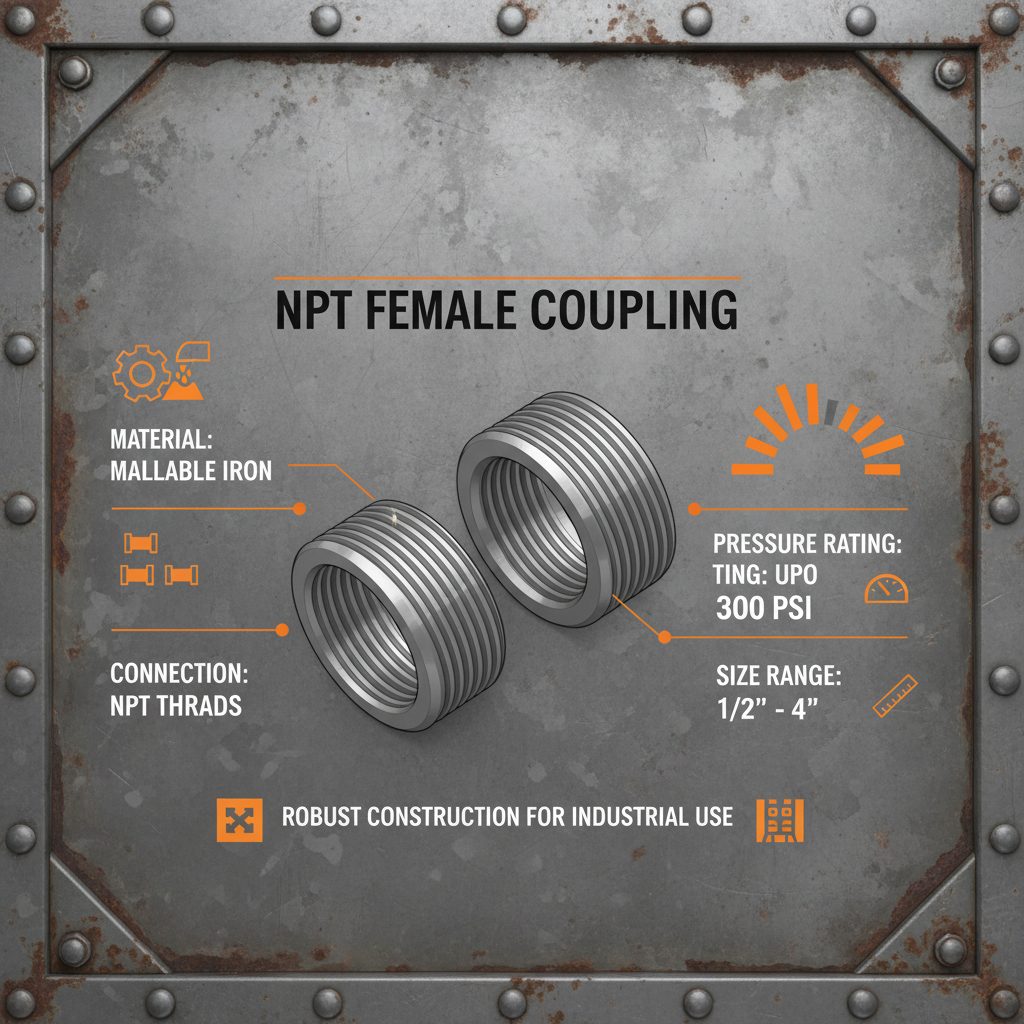
Key Features: Tapered threads for a tight seal, available in various materials (stainless steel, carbon steel, brass, etc.), compatible with standard NPT male fittings, easy to install and disassemble.
Applications of NPT Female Couplings
The versatility of NPT female couplings makes them suitable for a wide array of applications across numerous industries. Common uses include connecting pipes in plumbing systems, joining hydraulic lines in heavy machinery, and creating secure connections in oil and gas pipelines. They're also frequently found in irrigation systems, chemical processing plants, and automotive applications. The specific material of the coupling is chosen based on the fluid being transported and the operating environment.
Common Applications:
• Plumbing and Piping Systems
• Hydraulic Systems
• Oil and Gas Pipelines
• Irrigation Systems
Choosing the Right Material for Your NPT Female Coupling
Selecting the correct material for your NPT female coupling is vital for ensuring long-term reliability and preventing corrosion or contamination. Common materials include stainless steel, carbon steel, brass, and plastic. Stainless steel offers excellent corrosion resistance, making it ideal for harsh environments. Carbon steel is a cost-effective option for general-purpose applications. Brass is suitable for fluids that are incompatible with steel. Plastic couplings are lightweight and corrosion-resistant, often used in low-pressure applications. Pannext Fittings provides a wide range of material options to suit your specific needs.
Proper Installation of NPT Female Couplings
Correct installation is crucial for ensuring a leak-proof seal. Always use a thread sealant, such as Teflon tape or pipe dope, to lubricate the threads and fill any gaps. Wrap the Teflon tape clockwise around the male threads, overlapping each layer. Tighten the coupling securely, but avoid over-tightening, which can damage the threads. When using pipe dope, apply a thin, even coat to the male threads. Regular inspection and maintenance are also essential to prevent leaks and ensure optimal performance.
NPT vs. BSPT: Understanding the Differences
It's important to differentiate between NPT and BSPT (British Standard Pipe Taper) threads. While both are tapered, they have different thread angles and are not interchangeable. NPT has a 60-degree angle, while BSPT has a 55-degree angle. Attempting to connect an NPT fitting to a BSPT thread will result in a leak. Always verify the thread type before making a connection. Pannext Fittings offers both NPT and BSPT couplings to meet diverse customer requirements.
Conclusion: Selecting and Utilizing NPT Female Couplings
Choosing the right NPT female coupling requires careful consideration of the application, fluid compatibility, and operating conditions. By understanding the different materials, installation procedures, and thread standards, you can ensure a secure, reliable, and long-lasting connection. Trust Pannext Fittings for high-quality NPT couplings and expert advice.
Frequently Asked Questions (FAQs)
What is the difference between NPT and NPS?
NPT (National Pipe Taper) and NPS (National Pipe Straight) are two common thread types. The key difference is the taper. NPT has tapered threads that create a mechanical seal when tightened, while NPS has straight threads that require a sealing compound or gasket to prevent leaks. NPS is generally used for higher-pressure applications where a more robust seal is needed, while NPT is suitable for lower to medium-pressure applications.
Can I reuse Teflon tape on an NPT fitting?
While technically possible, it's generally not recommended to reuse Teflon tape. Over time, the tape can compress and lose its sealing properties. It's best to remove the old tape and apply fresh tape with each assembly. This ensures a reliable and leak-proof connection. Using fresh tape is a small investment that can prevent costly issues down the line.
What tools are needed to install an NPT female coupling?
You'll typically need a pipe wrench or adjustable wrench to tighten the coupling, Teflon tape or pipe dope for sealing, and potentially a deburring tool to remove any sharp edges from the threads. A clean rag is also useful for wiping away excess sealant. Ensuring you have the right tools will make the installation process smoother and more effective.
How do I identify an NPT thread?
NPT threads are tapered and have a 60-degree angle. Visually, you can identify them by observing the slight cone shape. You can also use a thread gauge to accurately measure the thread angle and confirm it's 60 degrees. It’s crucial to correctly identify the thread type before attempting to connect fittings.
Post time: Mar-21-2026