
Understanding 3 NPT Couplings: A Comprehensive Guide
When working with threaded pipe connections, especially in industries like plumbing, oil & gas, and hydraulics, choosing the right coupling is crucial. A 3 NPT coupling plays a vital role in securely joining pipes, ensuring leak-proof performance, and maintaining system integrity. This article provides a detailed overview of 3 NPT couplings, covering their features, applications, materials, and key considerations for selection. Understanding these components is essential for anyone involved in fluid transfer systems. Choosing the correct coupling will save you time and money in the long run.
What is a 3 NPT Coupling?
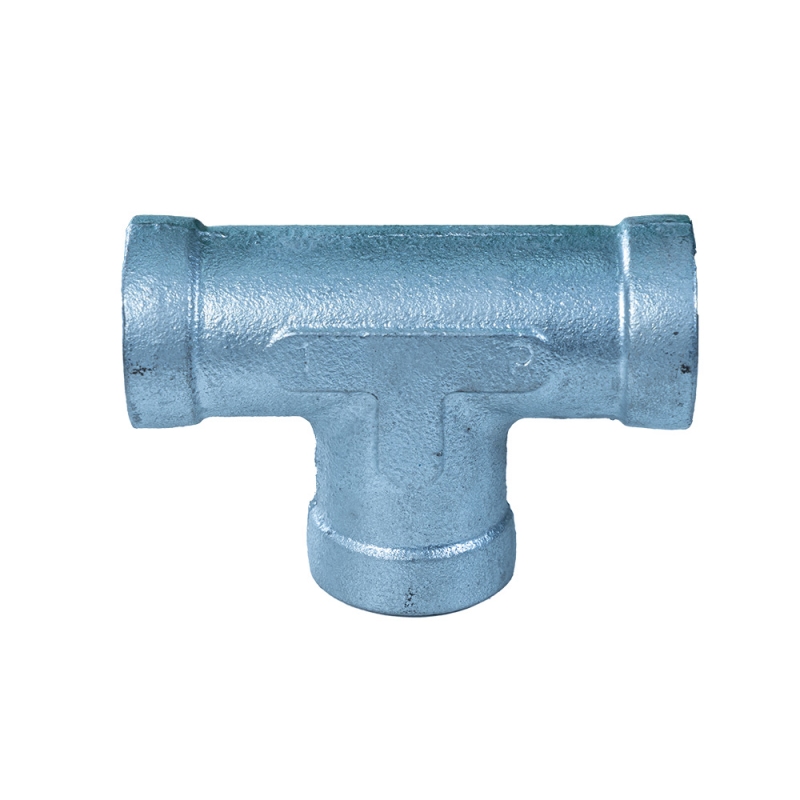
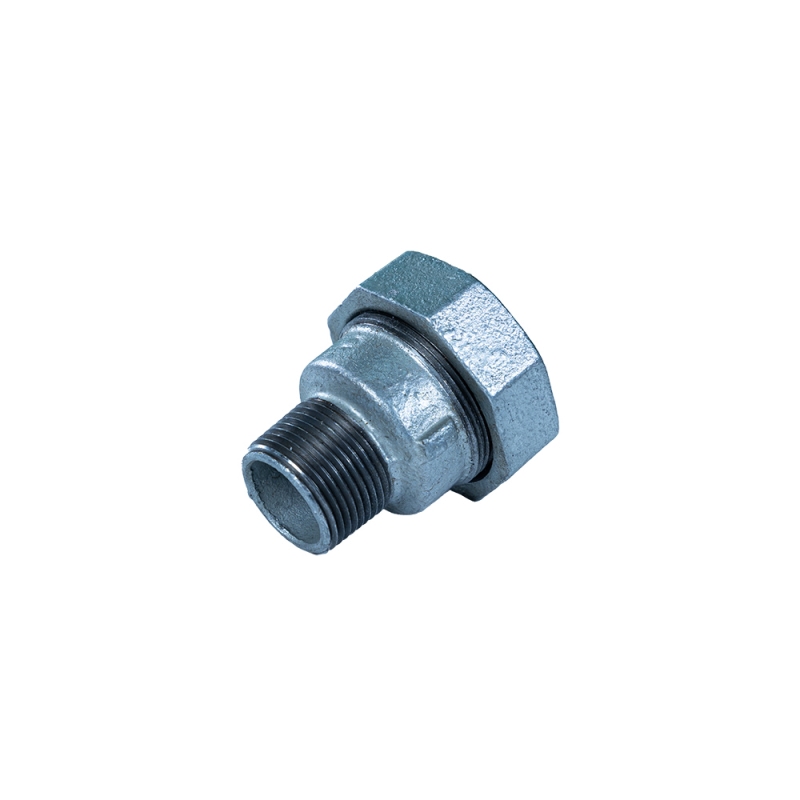
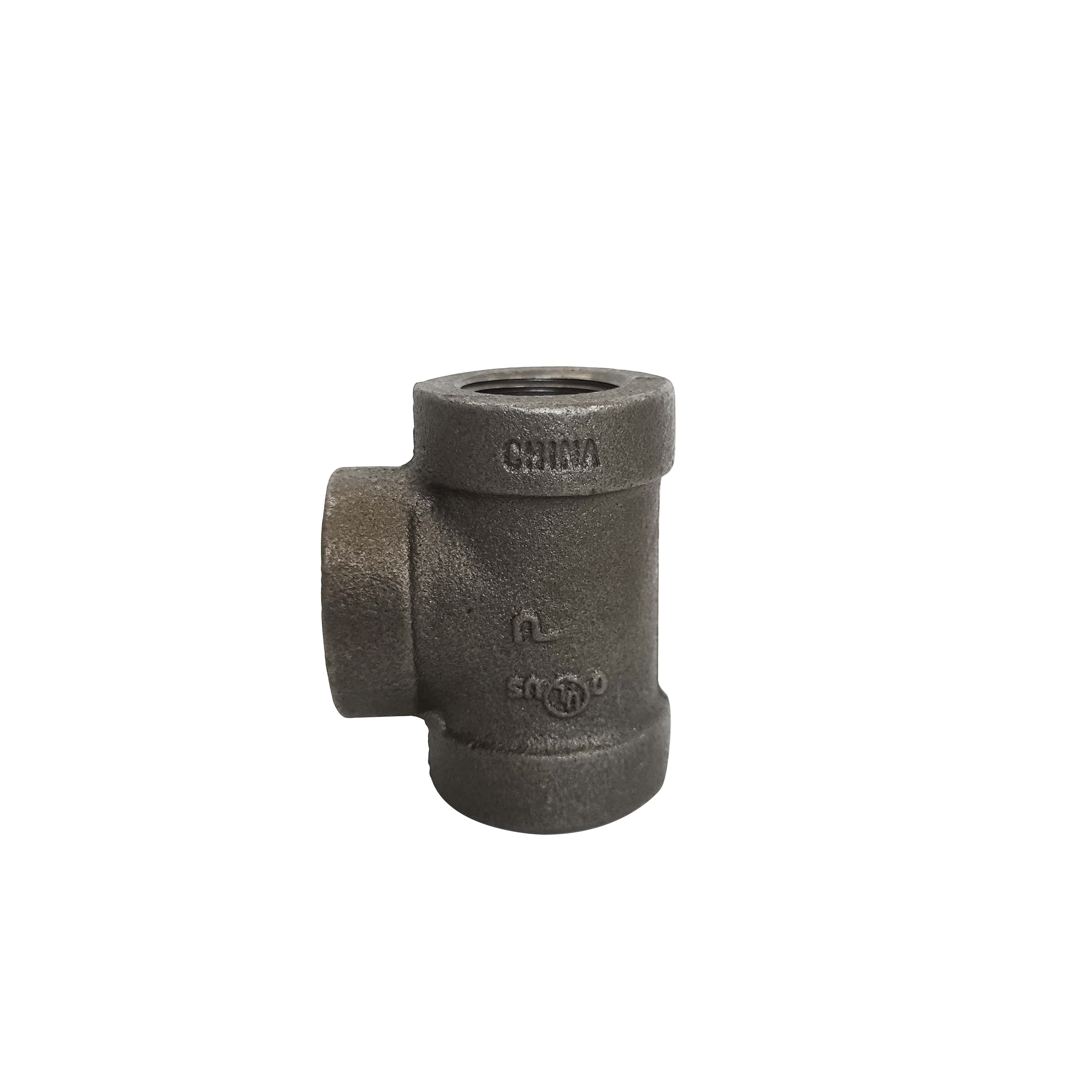
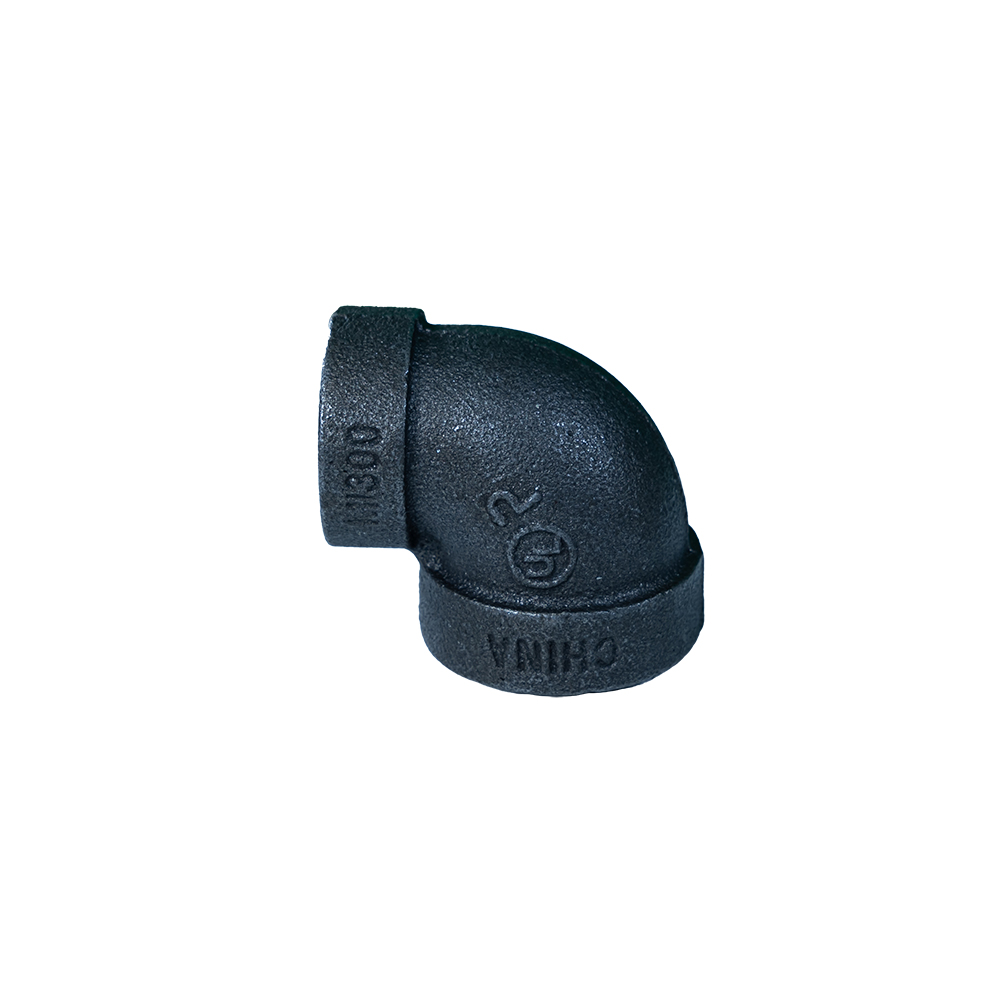
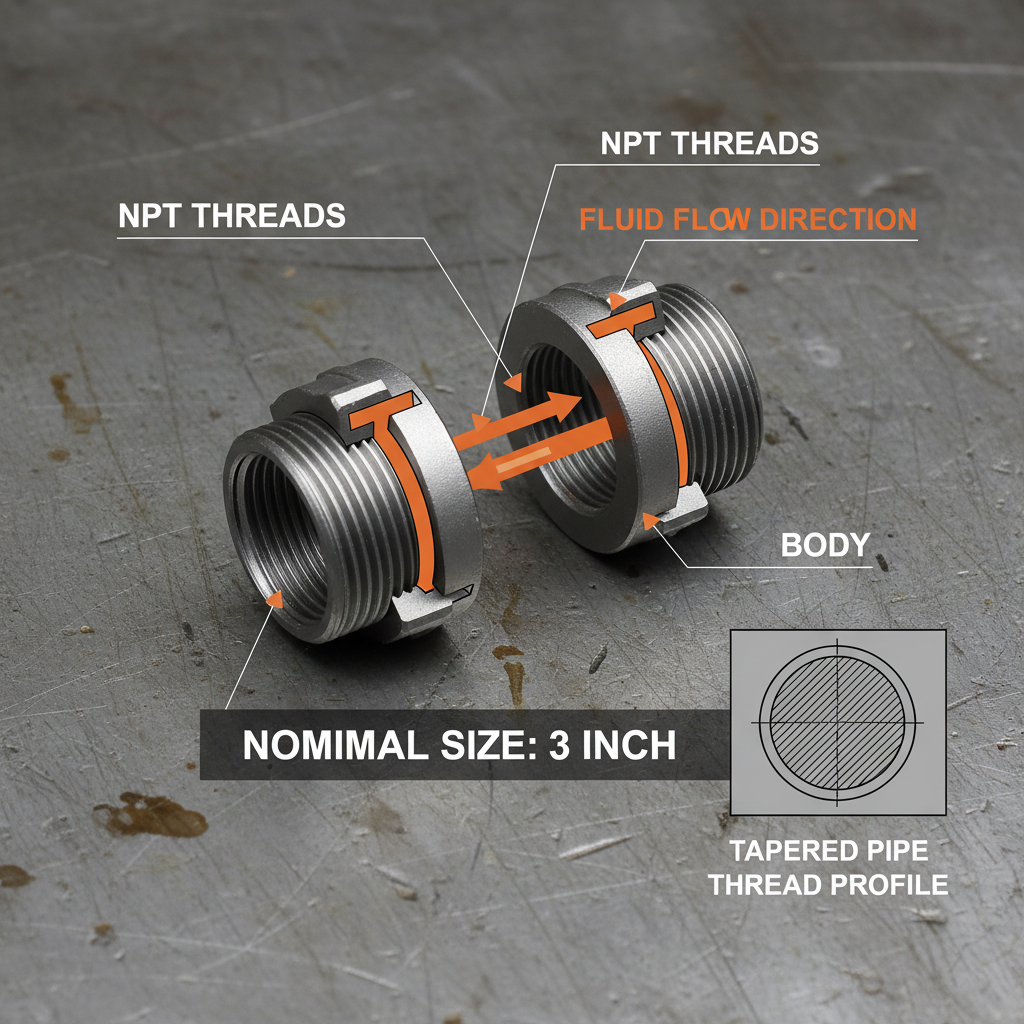
A 3 NPT (National Pipe Tapered) coupling is a fitting used to connect two sections of threaded pipe with a 3/8-inch nominal diameter. The “NPT” designation refers to a standardized tapered thread form that creates a mechanical seal when tightened. Unlike parallel threads, NPT threads have a slight taper, allowing for a tighter, more secure connection. These couplings are commonly used in applications requiring pressure-tight seals. They are available in various materials, including stainless steel, carbon steel, brass, and plastic, each suited for different operating conditions and fluid compatibility. Pannext Fittings offers a comprehensive range of 3 NPT couplings to meet diverse industrial needs.
Key Highlights: 3 NPT couplings create a mechanical seal through tapered threads. They are widely used in various industries, offering a reliable and cost-effective solution for joining threaded pipes.
Applications of 3 NPT Couplings
3 NPT couplings find widespread application across numerous industries. Some common uses include:
- Plumbing: Connecting water pipes, gas lines, and drainage systems.
- HVAC: Joining refrigerant lines and ventilation ducts.
- Oil & Gas: Connecting pipes in oil refineries, pipelines, and drilling operations.
- Hydraulics: Connecting hydraulic lines in machinery and equipment.
- Automotive: Used in fuel and fluid transfer systems.
- Irrigation: Connecting sprinkler systems and water supply lines.
The versatility of these couplings makes them an essential component in many fluid handling systems. Proper selection ensures optimal performance and reliability.
Application Benefits:
• Versatile across multiple industries
• Provides secure, leak-proof connections
• Available in various materials for different fluids
• Cost-effective solution for pipe joining
3 NPT Coupling Materials: A Comparison
Choosing the correct material for your 3 NPT coupling is critical. The material must be compatible with the fluid being transferred and withstand the operating temperature and pressure. Here's a comparison of common materials:
Proper Installation of 3 NPT Couplings
Correct installation is vital for ensuring a leak-proof seal. Follow these guidelines:
- Thread Preparation: Ensure threads are clean and free of debris. Use a wire brush if necessary.
- Thread Sealant: Apply a suitable thread sealant (Teflon tape or pipe dope) to the male threads.
- Tightening: Tighten the coupling until snug, then an additional quarter to half turn. Avoid over-tightening, which can damage the threads.
- Inspection: After installation, inspect for leaks. If leaks persist, re-tighten or disassemble and re-apply sealant.
Pannext Fittings provides detailed installation guides and technical support to assist you with proper setup.
Conclusion: Selecting the Right 3 NPT Coupling
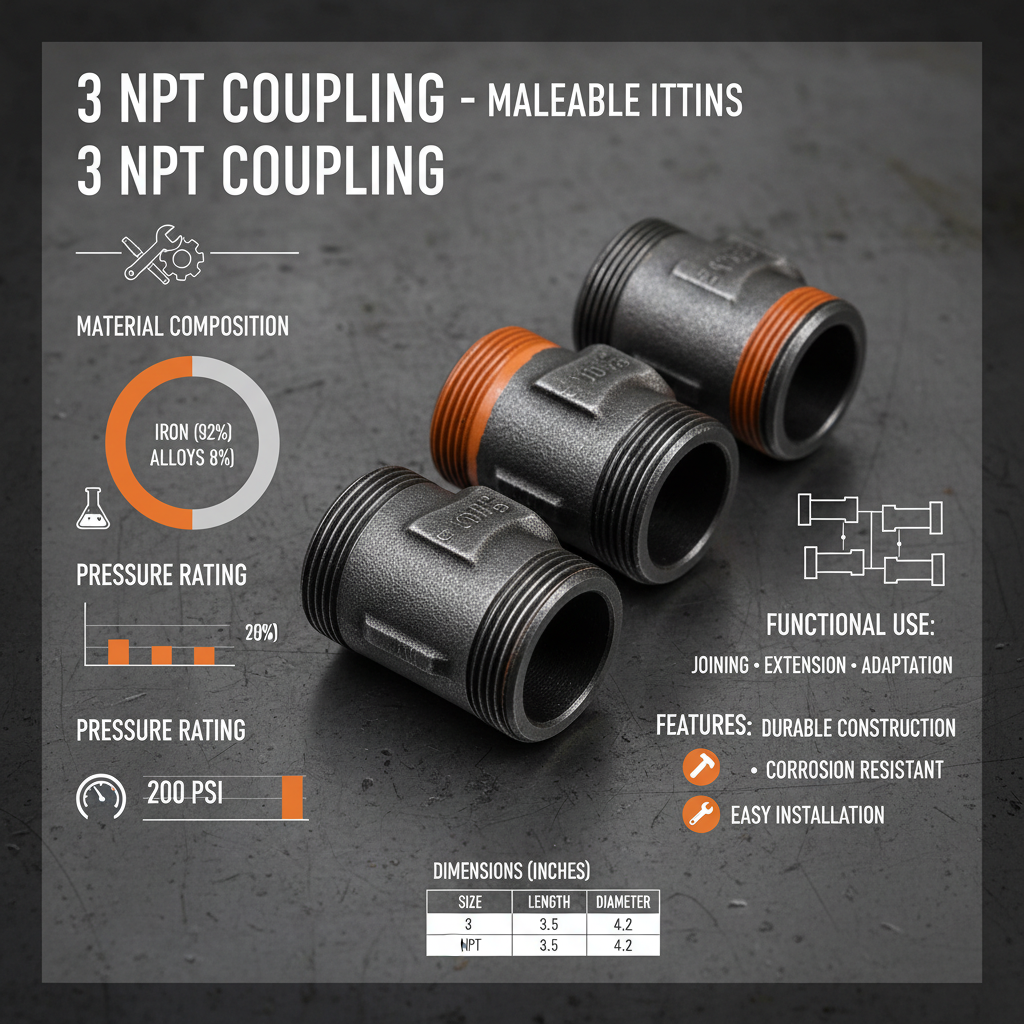
Choosing the right 3 NPT coupling is essential for the safe and efficient operation of any fluid transfer system. Consider the application, fluid compatibility, temperature, and pressure requirements when selecting a material. Proper installation is equally important to ensure a leak-proof seal. Pannext Fittings offers a wide selection of high-quality 3 NPT couplings and expert support to help you find the perfect solution for your needs. Investing in quality fittings will lead to long-term savings and peace of mind.
Frequently Asked Questions (FAQs)
What is the difference between NPT and NPS threads?
NPT (National Pipe Tapered) threads are tapered, creating a mechanical seal when tightened. NPS (National Pipe Straight) threads are parallel and require a separate sealing method, such as a gasket or O-ring. NPT is commonly used for pressure-tight applications where a leak-proof seal is crucial, while NPS is often used for applications where the fitting is not subject to high pressure. It’s vital to use the correct thread type to prevent leaks or damage to the fittings.
Can I reuse a 3 NPT coupling?
While it’s technically possible to reuse a 3 NPT coupling, it's generally not recommended. Each time a coupling is tightened and loosened, the threads can become damaged or worn. This can compromise the seal and increase the risk of leaks. It is best practice to replace couplings for optimal performance and safety. If reuse is unavoidable, carefully inspect the threads for damage before reinstallation.
What type of thread sealant should I use with 3 NPT couplings?
The best type of thread sealant depends on the fluid being transferred. Teflon tape is a common and versatile option for many applications. Pipe dope, also known as thread compound, provides a more robust seal and is often preferred for high-pressure or critical applications. Ensure the sealant is compatible with the fluid and operating temperature. Avoid using excessive sealant, as it can contaminate the system.
Where can I find high-quality 3 NPT couplings?
Pannext Fittings is a trusted supplier of high-quality 3 NPT couplings. We offer a wide range of materials, sizes, and configurations to meet your specific needs. Our fittings are manufactured to industry standards and undergo rigorous quality control to ensure reliable performance.
Post time: Mar-06-2026