
The Ultimate Guide to Cast Iron Union: Versatility and Durability
In the world of industrial piping and plumbing, ensuring a leak-proof and maintainable connection is critical. The cast iron union serves as an indispensable component, allowing for the easy disconnection and reconnection of pipes without the need to cut the entire line. Whether used in water distribution, HVAC systems, or industrial chemical transport, these fittings provide the structural integrity required for high-pressure environments. In this guide, we will explore the technical advantages, material properties, and best practices for implementing these robust fittings in your next project.
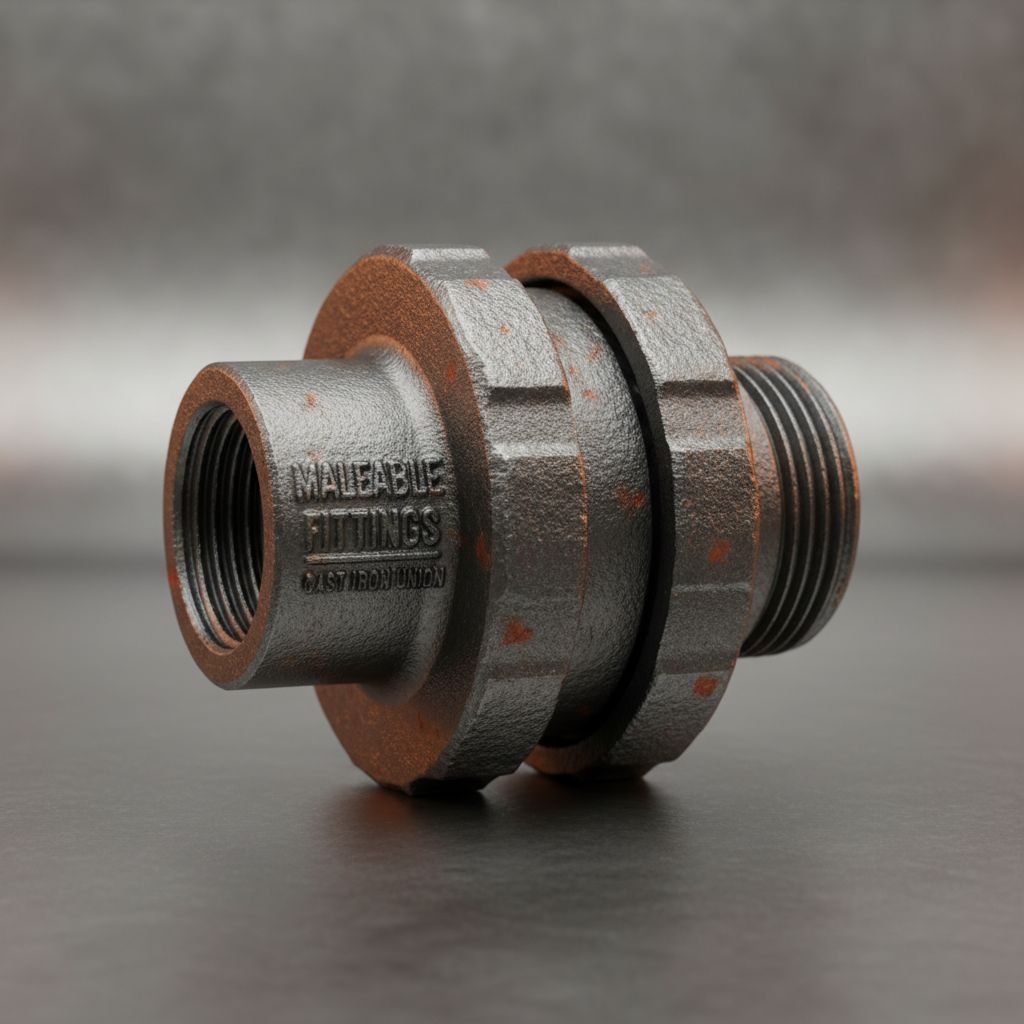
Why Choose a Cast Iron Union for Your Piping System?
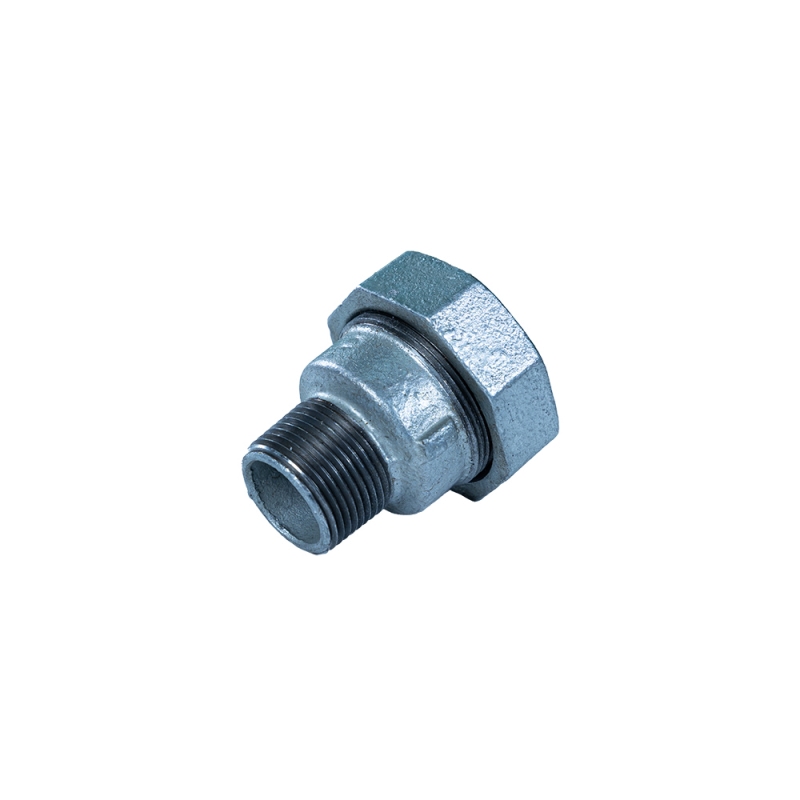
The primary appeal of a cast iron union lies in its exceptional mechanical strength and vibration dampening capabilities. Unlike plastic or thin-walled steel, cast iron can withstand significant external pressure and impact, making it ideal for underground installations or heavy industrial floors. Moreover, the "union" design specifically addresses the challenge of maintenance; it enables technicians to remove pumps, valves, or filters quickly by simply unscrewing the union nut, significantly reducing downtime during repairs.
Key Advantages: High compression strength, superior noise reduction in fluid transport, and long-term structural stability in corrosive environments when properly coated.
Technical Specifications of Cast Iron Union Fittings
When selecting the right fitting, understanding the technical parameters is essential for system safety. A professional-grade cast iron union is manufactured to meet strict tolerances to ensure a perfect seal. Below is a detailed specification table commonly used for industrial sizing and pressure ratings to help you choose the correct part for your application.
Installation Best Practices for a Cast Iron Union
To maximize the lifespan of your cast iron union, precision during installation is non-negotiable. First, ensure that the pipe ends are cleaned of all debris and burrs. Second, apply a high-quality thread sealant or Teflon tape to avoid micro-leaks. When tightening the union nut, it is critical to use a calibrated torque wrench; over-tightening can lead to stress fractures in the iron, while under-tightening will result in leaks under pressure. Regular inspection for oxidation is also recommended to maintain the seal's integrity.
Cast Iron Union vs. Steel Unions: Which is Better?
Choosing between a cast iron union and a steel alternative depends on your specific environmental constraints. Cast iron is generally superior in terms of corrosion resistance (when cast as ductile iron) and cost-effectiveness for large-scale plumbing. Steel unions, while stronger in terms of tensile strength, are more prone to rust if not galvanized or stainless. For applications involving constant vibration or high-volume water flow, the mass of cast iron provides a stabilizing effect that steel often lacks.
Comparison Summary:
• Cast Iron: Better vibration dampening, lower cost, excellent compression strength.
• Steel: Higher tensile strength, better for extreme temperature swings, heavier weight in high-grade alloys.
Common Applications of the Cast Iron Union
The versatility of the cast iron union makes it a staple in various sectors. In municipal water systems, they are used to connect main lines to residential branches, allowing for easy section replacement. In the HVAC industry, they are utilized in chilled water loops where thermal expansion and contraction occur. Additionally, in industrial processing plants, these unions are placed before and after heavy machinery (like heat exchangers) to facilitate rapid equipment swaps without dismantling the entire piping infrastructure.
Maintenance and Longevity of Cast Iron Fittings
To ensure your piping system remains operational for decades, a proactive maintenance schedule for your cast iron union is essential. Check for signs of "weeping" or moisture around the nut every six months. If the union is exposed to the elements, applying a protective anti-corrosive paint can prevent surface oxidation. For systems carrying chemically aggressive fluids, verify that the iron grade (grey vs. ductile) is compatible with the medium to prevent internal pitting and unexpected failure.
Conclusion: Optimizing Efficiency with Cast Iron Unions
Selecting a high-quality cast iron union is a strategic decision that balances cost, durability, and ease of maintenance. By providing a reliable point of disconnection and exceptional resistance to pressure and vibration, these fittings safeguard the longevity of industrial and residential piping networks. For those seeking professional-grade fittings that adhere to international standards, investing in premium cast iron solutions is the most effective way to prevent costly leaks and minimize system downtime.
Frequently Asked Questions (FAQs)
What is the difference between grey iron and ductile iron unions?
Grey iron is the traditional material, offering excellent compressive strength and vibration dampening, but it is more brittle. Ductile iron, however, contains nodular graphite which allows the material to flex slightly under pressure without cracking. For high-pressure industrial applications or areas prone to seismic activity, a ductile cast iron union is highly recommended due to its superior toughness and impact resistance.
Can I use a cast iron union for high-temperature steam?
While cast iron can handle moderate heat, it is not always the first choice for ultra-high-temperature steam due to the risk of thermal shock, which can cause brittle fractures. For standard heating systems, they perform excellently. However, for high-pressure steam boilers, you should consult the pressure-temperature ratings provided by the manufacturer at Pannext Fittings to ensure the material can handle the thermal expansion without failing.
How do I prevent a cast iron union from leaking?
Leaks usually occur due to improper sealing or misalignment. To prevent this, always use a high-quality thread sealant or a specialized gasket depending on the union type. Ensure the pipes are perfectly aligned before tightening the nut to avoid putting lateral stress on the joint. If a leak persists, avoid over-tightening the nut, as this can warp the seating surface; instead, disassemble the union, clean the threads, and re-apply sealant for a fresh, airtight seal.
Is a cast iron union compatible with PVC piping?
Yes, but not directly. You cannot thread a cast iron union directly into a PVC pipe because the different expansion rates and hardness levels will lead to cracks in the PVC. To connect them, you must use an adapter—such as a PVC male/female adapter—that transitions the connection. Using a proper transition fitting ensures that the strength of the cast iron union is utilized without damaging the plastic components of your system.
Post time: Apr-09-2026