
Understanding Coupling 1/4 NPT: A Comprehensive Guide
When it comes to fluid handling systems, reliable connections are paramount. The coupling 1/4 NPT is a widely used component ensuring secure and leak-proof joints. This article delves into the features, applications, material options, and crucial considerations for selecting the right coupling for your needs. We will explore its benefits and address common questions to provide a thorough understanding for professionals and enthusiasts alike. Investing in quality NPT couplings is crucial for the longevity and efficiency of your systems.
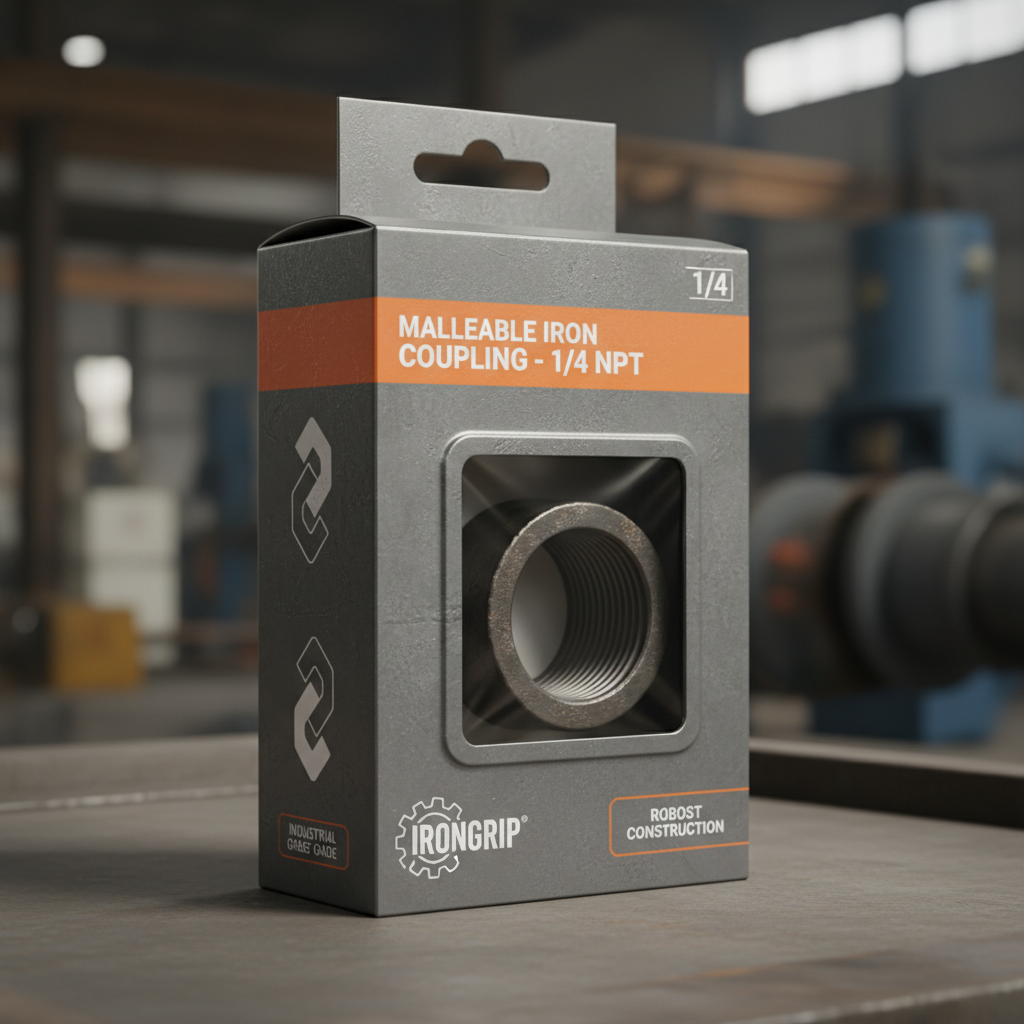
What is a 1/4 NPT Coupling?
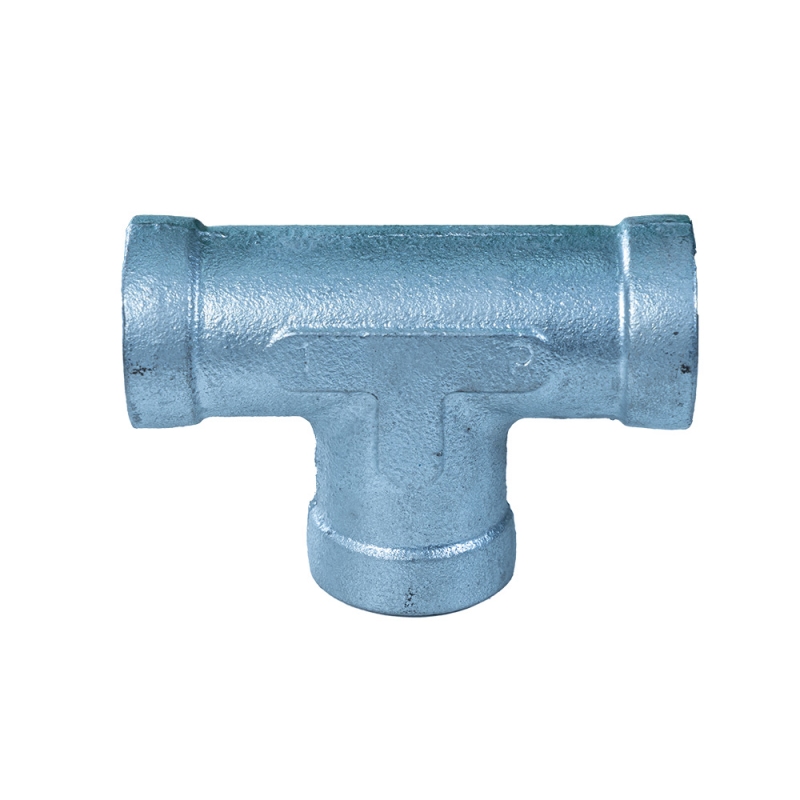
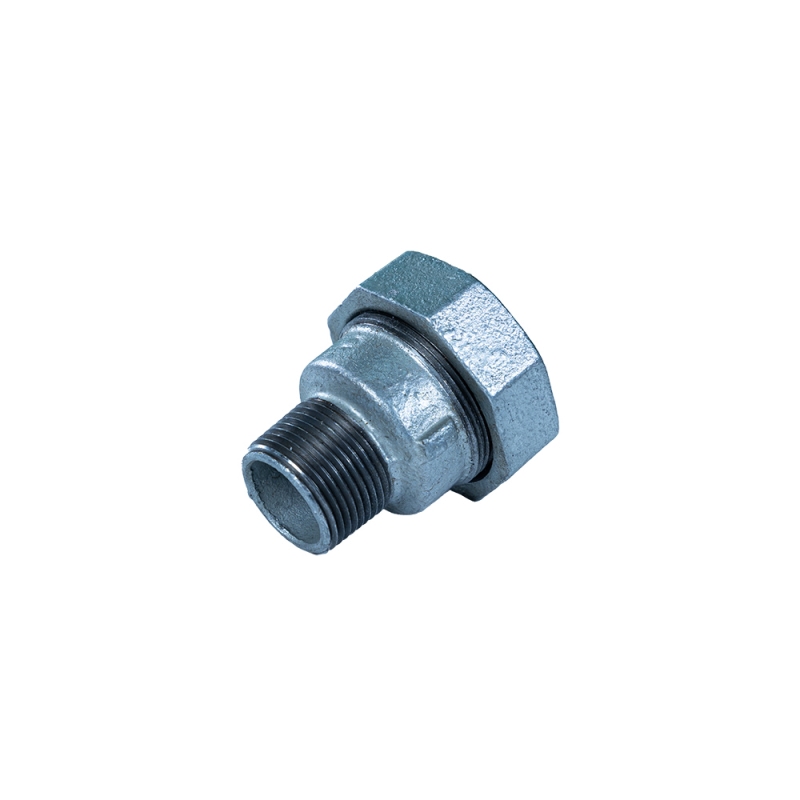
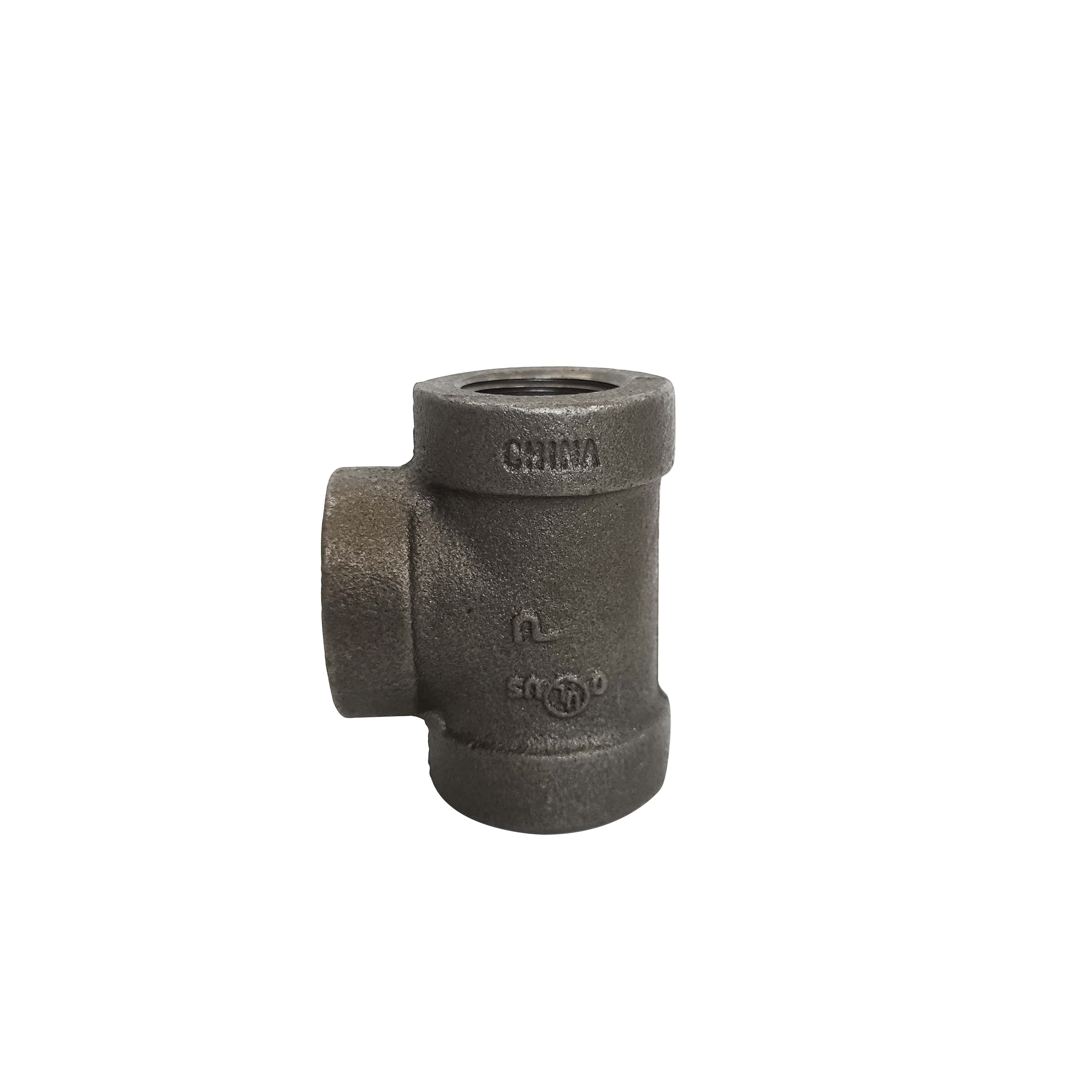
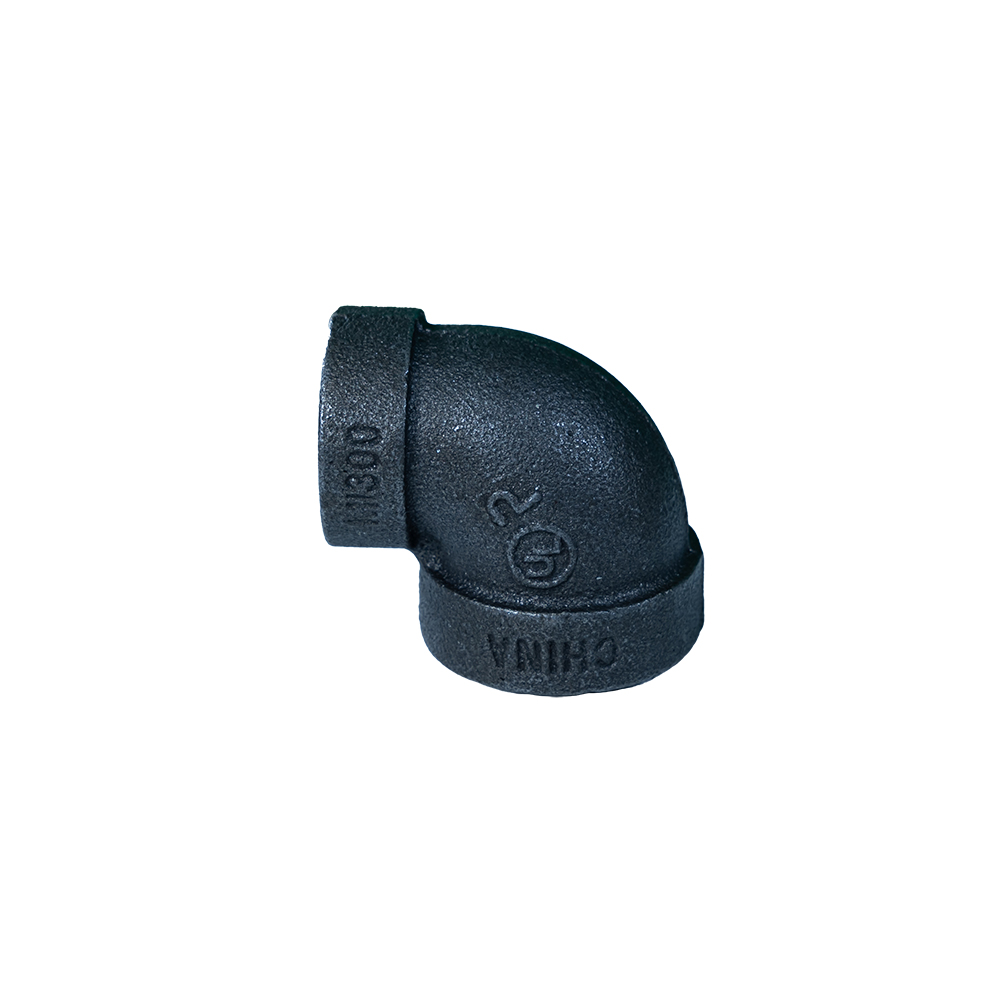
NPT, or National Pipe Tapered, is a standard tapered thread used in North America for joining pipes and fittings. A coupling 1/4 NPT specifically refers to a connector with a 1/4-inch NPT thread size. The tapered design of the NPT thread creates a tighter seal when tightened, preventing leaks. These couplings are commonly used in a variety of applications, including pneumatic systems, hydraulic systems, and fluid transfer lines. They are generally used with a sealant like Teflon tape to further enhance the leak-proof connection. Understanding the specifics of NPT threads is essential for ensuring compatibility and a secure connection.
Key Takeaway: A 1/4 NPT coupling provides a reliable, tapered thread connection for 1/4-inch NPT fittings, ensuring a secure and leak-proof seal in various fluid handling systems.
Applications of 1/4 NPT Couplings
The versatility of the coupling 1/4 NPT makes it suitable for a wide range of applications. Common uses include connecting air hoses to pneumatic tools, linking hydraulic lines in machinery, and establishing fluid transfer connections in laboratory settings. They are also frequently found in irrigation systems, automotive applications, and gas lines (where approved for gas service). The compact size and ease of installation contribute to their popularity across diverse industries. Selecting the right material for the coupling is crucial, depending on the fluid being transferred and the operating environment.
Common Application Areas:
• Pneumatic Systems
• Hydraulic Systems
• Fluid Transfer Lines
• Irrigation Systems
Material Options for 1/4 NPT Couplings
Coupling 1/4 NPT fittings are available in a variety of materials, each offering different benefits depending on the application. Brass is a common choice due to its corrosion resistance and affordability. Stainless steel provides superior corrosion resistance and is ideal for harsh environments and applications involving aggressive fluids. Plastic couplings, such as nylon or polypropylene, are lightweight and suitable for low-pressure applications. Choosing the correct material is crucial to ensure long-term durability and prevent contamination of the fluid being transferred.
Proper Installation and Sealing Techniques
Achieving a leak-proof connection with a coupling 1/4 NPT requires proper installation techniques. Always clean the threads of both the coupling and the fitting before assembly. Applying Teflon tape (PTFE tape) clockwise around the male threads is crucial to create a tighter seal. Avoid over-tightening, as this can damage the threads. Tighten the coupling until snug, then give it a slight additional turn. Regularly inspect connections for leaks and re-tighten if necessary.
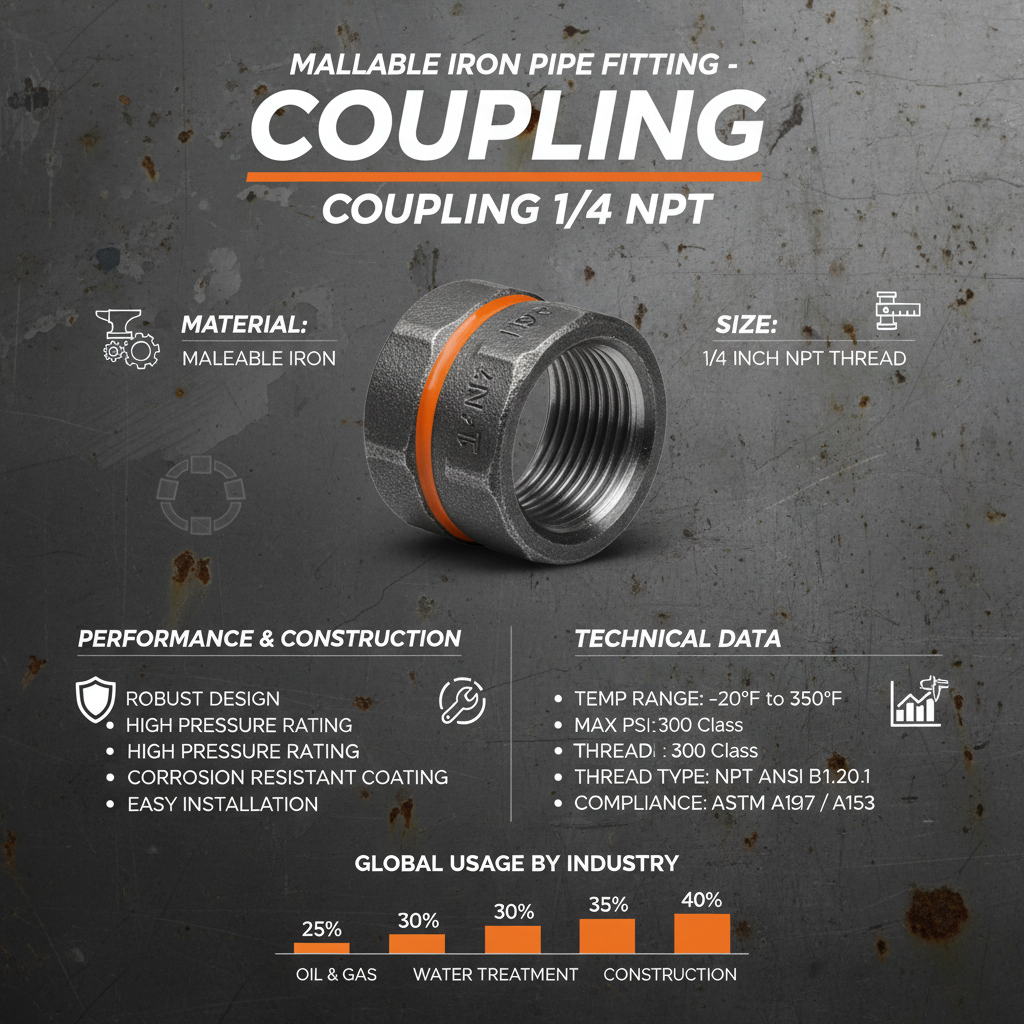
Choosing the Right Supplier
Selecting a reputable supplier like Pannext Fittings ensures you receive high-quality coupling 1/4 NPT fittings that meet industry standards. Look for suppliers that offer a wide range of materials, sizes, and configurations to meet your specific needs. Good customer service, competitive pricing, and reliable delivery are also important considerations. Investing in quality fittings from a trusted source will save you time and money in the long run.
Conclusion: Ensuring Reliable Connections with 1/4 NPT Couplings
The coupling 1/4 NPT is a vital component in countless fluid handling systems. Understanding its features, applications, material options, and proper installation techniques is essential for ensuring reliable and leak-proof connections. By choosing quality fittings from a trusted supplier like Pannext Fittings, you can optimize the performance and longevity of your systems.
Frequently Asked Questions (FAQs)
What is the difference between NPT and BSPT threads?
NPT (National Pipe Tapered) and BSPT (British Standard Pipe Tapered) are both tapered threads used for sealing pipes and fittings. However, they have different thread angles and forms. NPT is a 60-degree tapered thread commonly used in North America, while BSPT is a 55-degree tapered thread primarily used in the UK and other parts of the world. They are not interchangeable, and using the wrong thread type can result in leaks or damage to the fittings. Always verify the thread type before attempting to connect components.
Can I reuse Teflon tape on a 1/4 NPT coupling?
While technically possible, it's generally not recommended to reuse Teflon tape. Once the tape has been compressed during installation, it loses some of its sealing properties. Using fresh Teflon tape ensures a consistent and reliable seal. Applying a new layer each time you disassemble and reassemble the coupling is best practice. It’s a small investment for peace of mind and leak prevention.
What tools are needed to install a 1/4 NPT coupling?
The primary tools needed for installing a coupling 1/4 NPT are a wrench or adjustable wrench of the correct size, Teflon tape, and potentially a thread sealant. A wire brush can be useful for cleaning the threads before applying the tape. In some cases, a pipe vise may be needed to securely hold the fitting during tightening. Avoid using excessive force, as this can damage the threads.
Are 1/4 NPT couplings suitable for high-pressure applications?
The suitability of a 1/4 NPT coupling for high-pressure applications depends on the material, construction, and pressure rating of the specific coupling. While NPT threads can create a secure seal, the 1/4-inch size has inherent limitations. For high-pressure applications, it's crucial to choose couplings specifically rated for the required pressure and constructed from appropriate materials like stainless steel. Always consult the manufacturer's specifications and adhere to safety guidelines.
Post time: Mar-10-2026