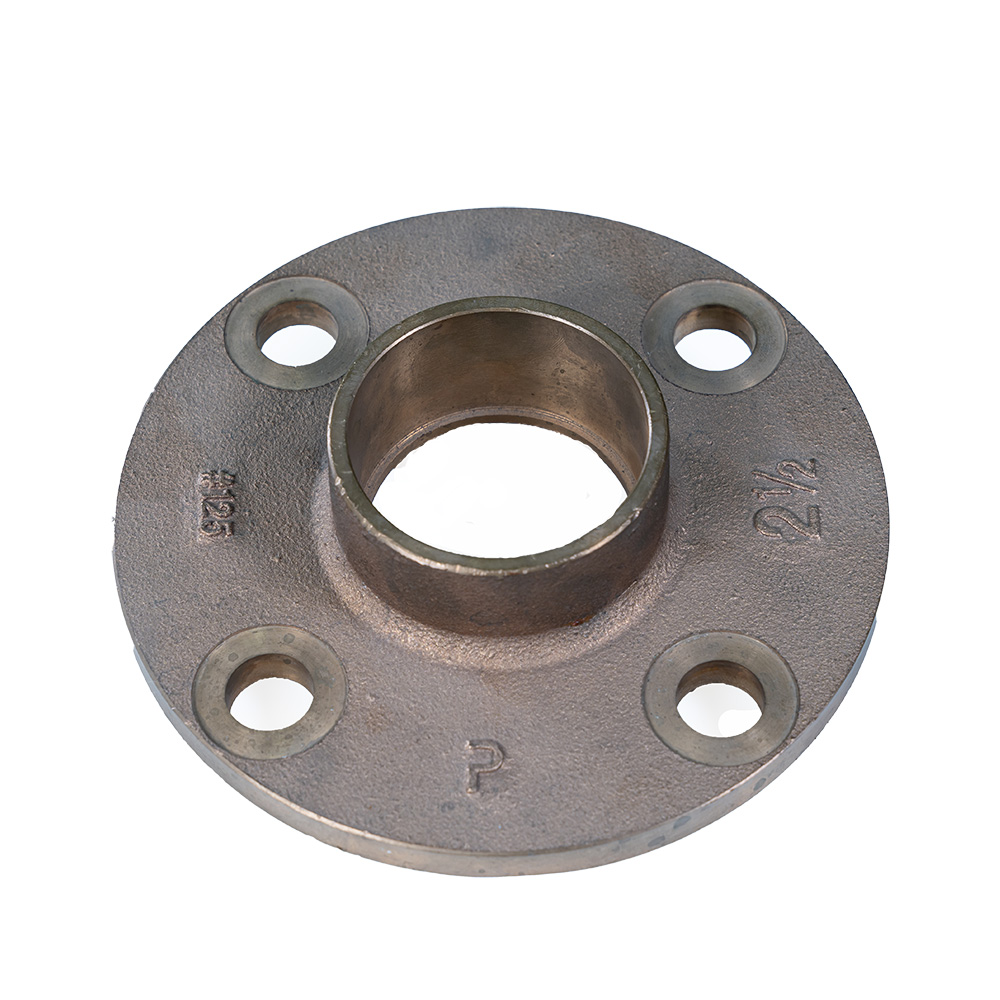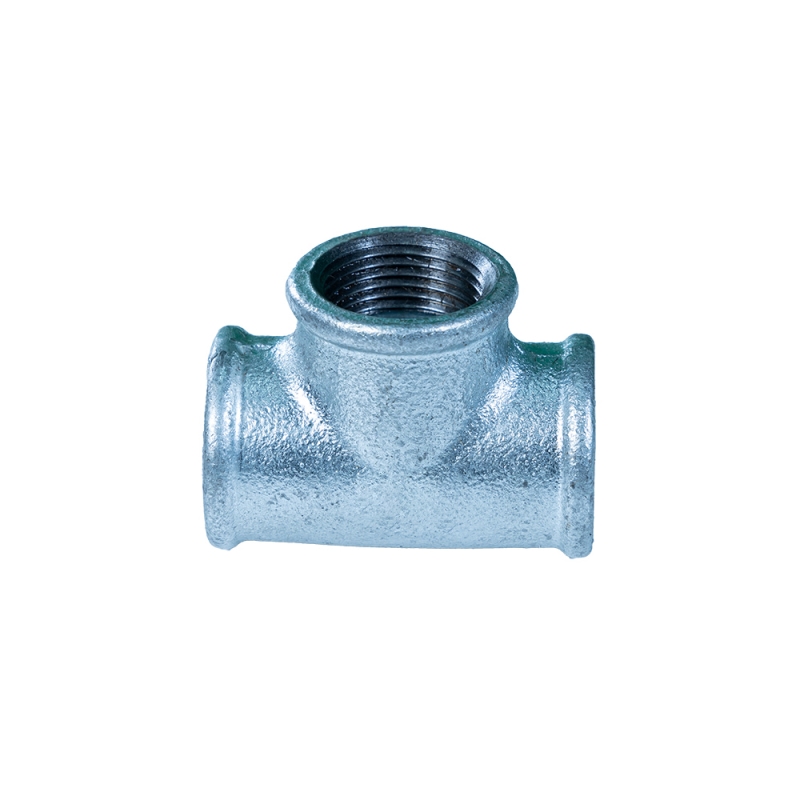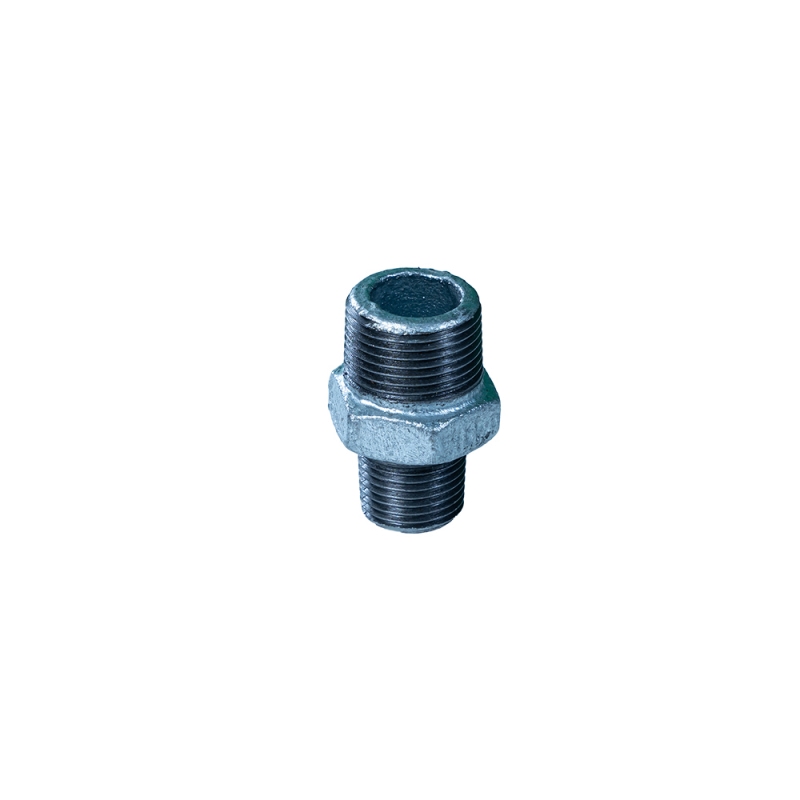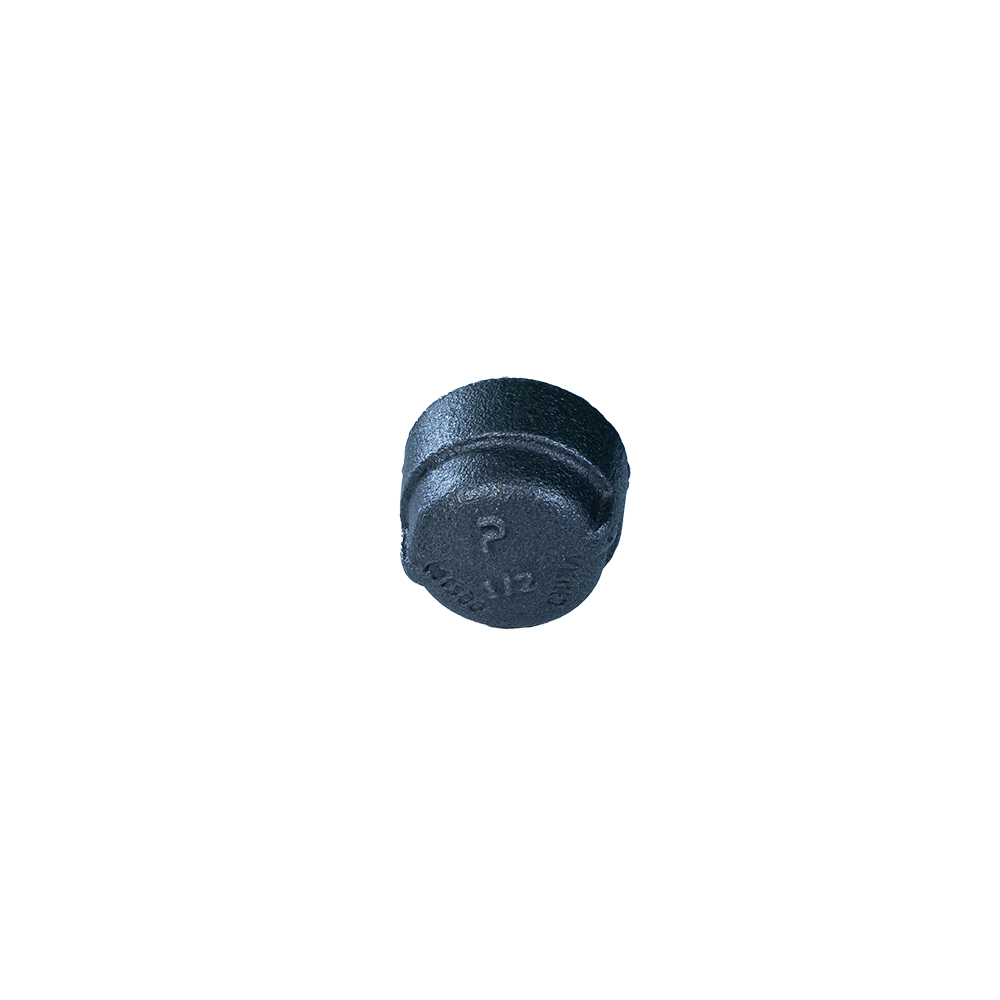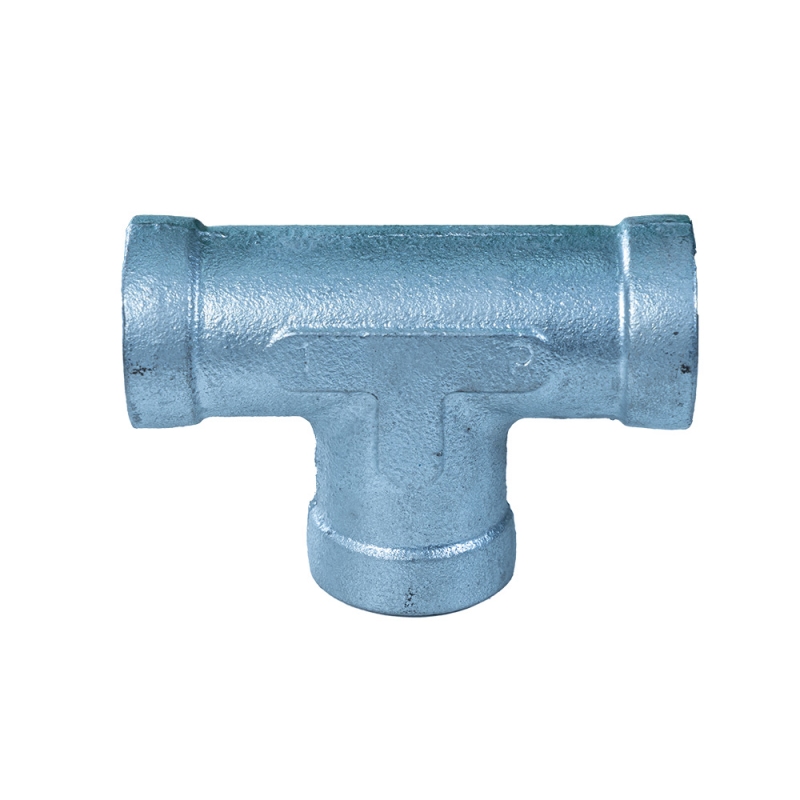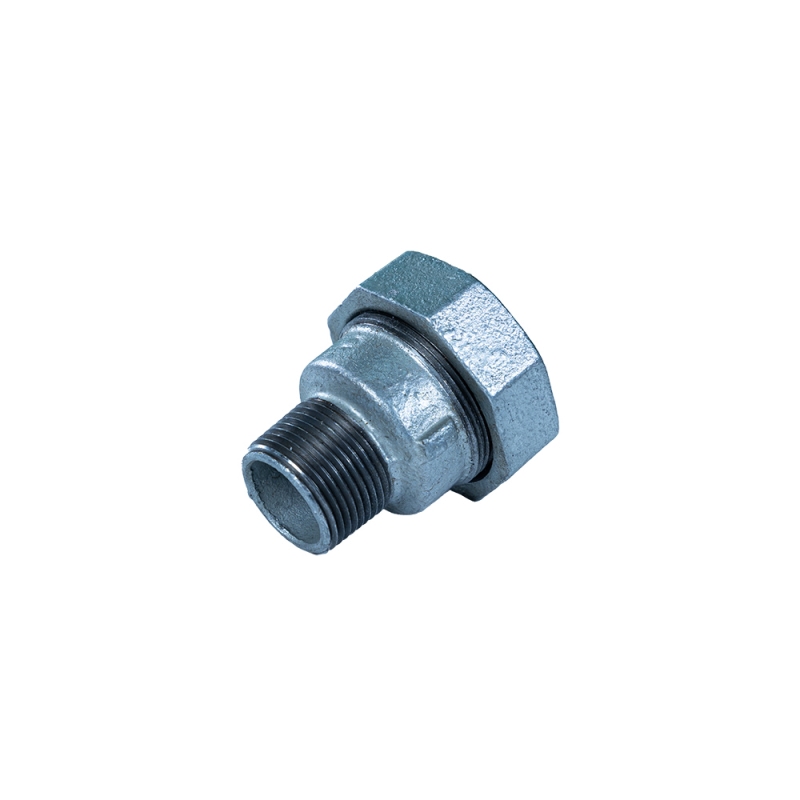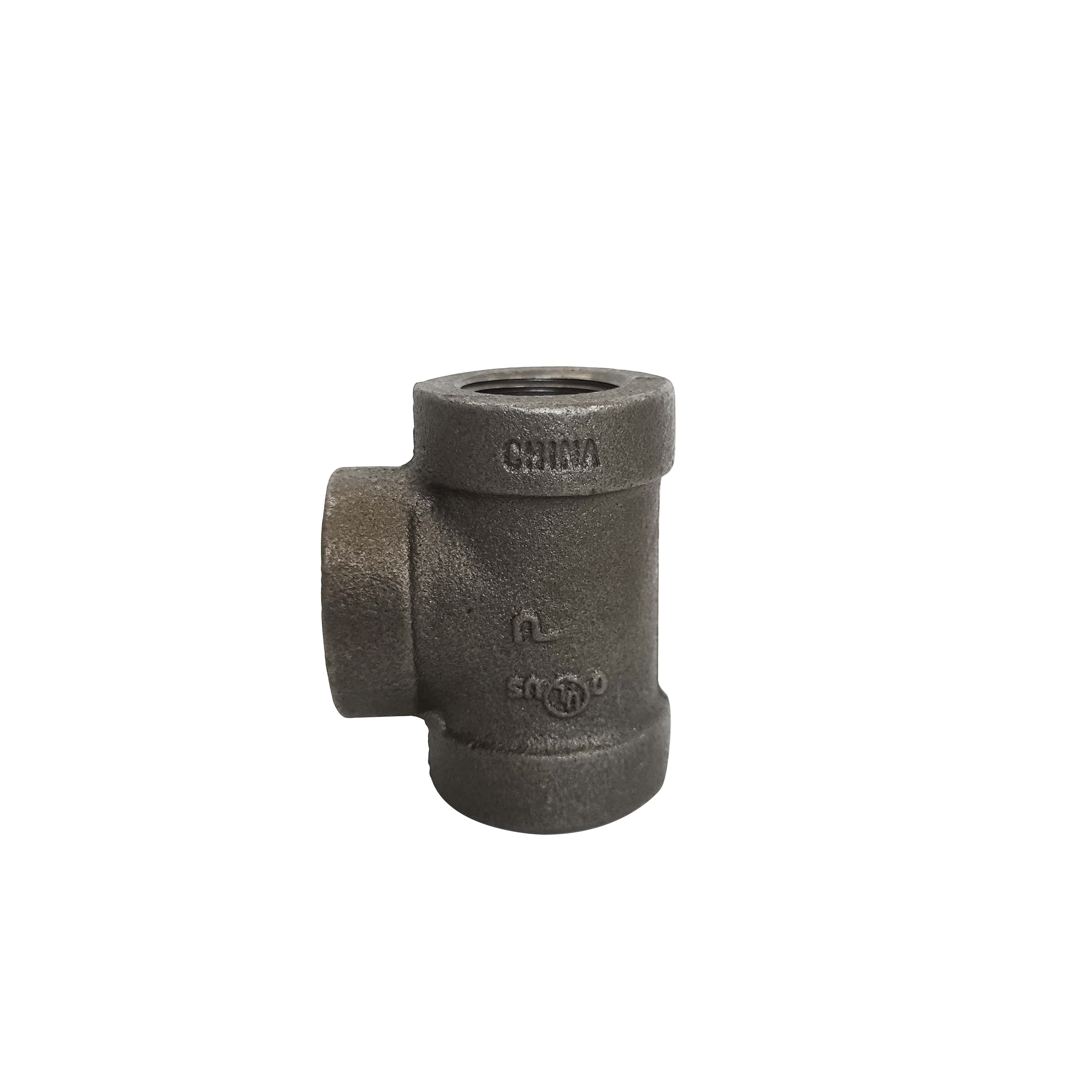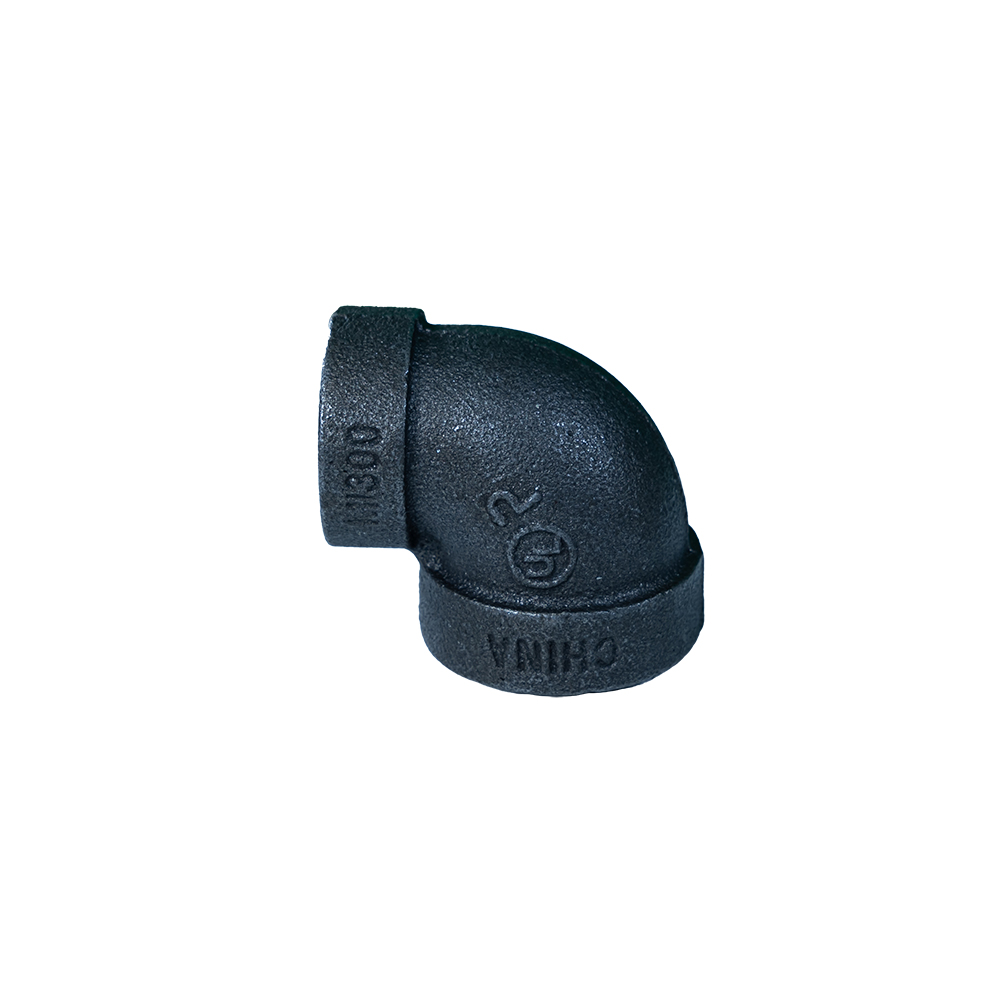

Flexible Pipe Fittings: What They Are and Why They Matter Globally
Flexible pipe fittings — you might have come across the term in industrial sites, urban infrastructure projects, or even in humanitarian logistics. But what exactly are they, and why does the world keep talking about them? At their core, these fittings are connectors designed to link pipes together, yet unlike rigid couplings, they can bend, flex, and adapt to shifting environments or structural movement. This adaptability isn’t just a technical nuance; it offers tangible benefits globally, from ensuring the delivery of potable water in remote areas to preventing costly pipeline failures in expanding cities. Understanding flexible pipe fittings means grasping a piece of the puzzle critical to modern infrastructure resilience, sustainability, and innovation.
Introduction: The Global Relevance of Flexible Pipe Fittings
According to the United Nations, over 2 billion people lack access to safe drinking water—a staggering statistic highlighting water infrastructure as a global challenge. The durability and adaptability of pipe networks are crucial for this purpose. Enter flexible pipe fittings: they help maintain integrity against seismic movements, ground settlement, or temperature fluctuations, issues increasingly frequent as climate change accelerates. The International Organization for Standardization (ISO) emphasizes rigorous standards for these fittings to ensure global safety and interoperability. Frankly, without innovations in flexible pipe fittings, many water and fluid distribution projects risk failure or high maintenance costs.
Oddly enough, industries like oil & gas, chemical manufacturing, and even agricultural irrigation systems all depend on these fittings to overcome challenges posed by terrain, pressure changes, and environmental stressors. Flexible pipe fittings act as unsung heroes, preventing leaks and disruptions.
Definition & Meaning
Simply put, flexible pipe fittings are mechanical components designed to connect two or more pipes but with some degree of flexibility—be it bending, twisting, or slight expansion. This flexibility allows them to absorb stresses caused by movement, vibration, or temperature changes. Compared with rigid fittings, they reduce risks of cracks and leaks, enhancing service life.
Their connection to modern industry and humanitarian work goes beyond plumbing. For example, in disaster relief, flexible pipes can quickly be installed even when terrains are unstable. The fittings facilitate rapid deployment and safe operation of vital water, fuel, or waste networks.
Key Factors or Core Components of Flexible Pipe Fittings
1. Durability
Most flexible fittings are constructed with materials like stainless steel, reinforced rubber, or specialty polymers that resist corrosion, chemicals, and abrasion. This guarantees long-term performance in harsh environments, whether offshore oil rigs or underground sewage systems.
2. Adaptability
Their ability to accommodate thermal expansion, ground shifts, and vibrations helps prevent pipeline failures. They ensure continuity in fluid flow despite dynamic external conditions.
3. Ease of Installation
They often feature quick-connect designs or flexible joints, reducing installation time and need for complex alignment. This means less downtime during maintenance or construction phases.
4. Cost Efficiency
While the initial cost of flexible fittings might be slightly higher than rigid ones, their ability to reduce repairs, maintenance, and system downtime usually yields overall savings.
5. Compliance & Standards
ISO certifications and regional quality seals guarantee that fittings meet safety and performance benchmarks, which is critical for public infrastructure projects or industrial processes.
| Specification | Details |
|---|---|
| Material | Stainless Steel 304/316, EPDM Rubber, Nylon |
| Pressure Rating | Up to 3000 psi (depends on model) |
| Temperature Range | -40°C to +120°C (-40°F to +250°F) |
| Flexibility Radius | Up to 30 degrees angular movement |
| Standards | ISO 9001, ASTM F 2159, API 6A Certified |
Global Applications & Use Cases
Flexible pipe fittings are everywhere—from urban water supply utilities in Europe to agricultural irrigation networks in sub-Saharan Africa, and from oil pipelines in the Middle East to natural gas lines in North America.
- Disaster Relief: In post-earthquake scenarios, quick-install flexible pipes maintain emergency water and sewage functions despite unstable ground.
- Remote Industrial Zones: Mining companies in South America use these fittings where ground movements are common due to extraction activities.
- Infrastructure Upgrades: Cities shifting to smart water grids incorporate flexible joints to mitigate wear and reduce leak-induced water losses.
It's also fascinating how NGOs rely on these fittings to set up temporary water systems in refugee camps, where both speed and reliability are non-negotiable.
Vendor Comparison Table
| Vendor | Material Options | Pressure Range | Lead Time | International Shipping |
|---|---|---|---|---|
| PanNext Fittings | Stainless Steel, EPDM, Nylon | Up to 3000 psi | 2-3 weeks | Yes |
| FlexiPipe Co. | Rubber, PVC blend | Up to 2000 psi | 3-4 weeks | Limited |
| GlobalFlow Systems | Polyurethane, Stainless Steel | Up to 3500 psi | 4-6 weeks | Yes |
Advantages & Long-Term Value
Embracing flexible pipe fittings offers several advantages. Tangibly, they reduce pipeline leaks and maintenance costs, increase operational uptime, and improve safety by preventing ruptures. Emotionally, they instill confidence in end-users and operators, who can trust systems won’t fail unexpectedly.
From a sustainability vantage, better fittings help reduce water wastage — a silent but critical environmental benefit. Socially, they enable safer water delivery especially in vulnerable communities, which supports dignity and improved health outcomes. Innovation-wise, many manufacturers are integrating smart sensors into flexible joints to monitor integrity remotely — a signal of exciting times ahead.
Future Trends & Innovations
The future’s looking interesting. Next-gen materials like graphene-enhanced polymers could dramatically boost flexibility and lifespan. Digital transformation is also ushering in “smart fittings” equipped with leak detectors and pressure sensors linked via IoT platforms.
Policies emphasizing green infrastructure signal greater investment into sustainable fittings that resist biofouling and adapt to temperature extremes caused by climate fluctuations. Automation will speed up installation, reducing human labor and exposure to hazardous environments.
Challenges & Solutions
A few persistent challenges remain: cost premiums for advanced materials, difficulties in sourcing globally compatible fittings, and occasional misapplication that undermines performance. But expertise combined with stricter standards (ISO and ASTM) and modular design innovations help turn these challenges into manageable risks.
FAQ: Frequently Asked Questions About Flexible Pipe Fittings
- Q: Are flexible pipe fittings suitable for high-pressure oil pipelines?
A: Yes, many flexible fittings are pressure-rated up to and beyond 3000 psi, making them appropriate for such applications. Always check vendor specs to ensure compliance with safety standards. - Q: How do flexible fittings improve disaster resilience?
A: Because they absorb ground movement and vibration, flexible fittings prevent pipeline breaks during earthquakes or landslides, ensuring continuity of critical services. - Q: Can flexible fittings be reused after disassembly?
A: Many are designed for multiple assemblies but some sealing components might require replacement to maintain integrity. Consult manufacturer guidelines for specifics. - Q: What maintenance do flexible pipe fittings require?
A: Routine visual inspections for leaks or wear, periodic torque checks on fasteners, and ensuring no external damage to flexible sections are recommended to prolong their lifespan. - Q: How can NGOs import flexible pipe fittings efficiently?
A: Partnering with vendors offering international shipping and flexible logistics support, like PanNext Fittings, simplifies procurement and reduces delivery times.
Conclusion & Call to Action
In real terms, flexible pipe fittings aren’t just tiny connectors; they're central to ensuring fluid systems stay safe, adaptable, and sustainable across the globe. Their role will only grow as infrastructures modernize and climate challenges mount. For anyone steering projects that depend on reliable piping solutions, understanding and selecting quality flexible pipe fittings is non-negotiable.
Curious to learn more or explore product options? Visit https://www.pannextfittings.com — a trusted resource for flexible pipe fittings tailored to global needs.
Just a heads-up: the best-fit flexible fittings combine engineering precision with practical adaptability. It feels like they’re quietly keeping water flowing and industries humming worldwide, one joint at a time.
- United Nations, Water Scarcity Facts
- International Organization for Standardization, ISO Standards Overview
- American Society for Testing and Materials, ASTM F2159 for Flexible Joints
Post time: Dec-02-2025