
The Ultimate Guide to Malleable Cast Iron: Properties and Industrial Applications
In the world of metallurgy and industrial piping, selecting the right material can be the difference between a system that lasts decades and one that fails prematurely. malleable cast iron emerges as a superior choice for those seeking a balance between the ease of casting and the strength of forged steel. Unlike standard grey iron, which is brittle, malleable iron undergoes a specialized heat treatment process that allows it to absorb energy and resist impact. This versatility makes it an essential material for fittings, automotive parts, and structural components. In this guide, we will explore why this material remains a cornerstone of modern engineering and how to maximize its potential in your projects.

What Exactly is Malleable Cast Iron?
To understand malleable cast iron, one must first understand the process of annealing. It starts as white cast iron, which is extremely hard and brittle. Through a carefully controlled heating and cooling cycle known as annealing, the carbon in the form of iron carbide is converted into tempered carbon nodules. This transformation removes the internal stresses and gives the metal its "malleability"—the ability to be deformed without cracking. This result is a material that possesses higher ductility and better tensile strength than traditional grey iron, making it ideal for complex shapes that must withstand mechanical stress.
Key Advantages of Malleable Cast Iron in Piping
When engineers specify malleable cast iron for piping systems, they are prioritizing reliability and cost-effectiveness. One of the primary advantages is its exceptional vibration dampening capability, which prevents fatigue in systems subject to constant movement. Additionally, it offers excellent machinability, allowing for precise threading and fitting. While stainless steel is more corrosion-resistant, malleable iron provides a more economical solution for non-corrosive environments where structural integrity is the main requirement. Its ability to withstand shocks makes it far safer than grey iron in high-pressure applications.
Industry Insight: Malleable iron is often the preferred choice for gas and water lines in residential and commercial buildings due to its balance of strength and ease of installation.
Malleable Cast Iron vs. Grey Cast Iron: A Comparison
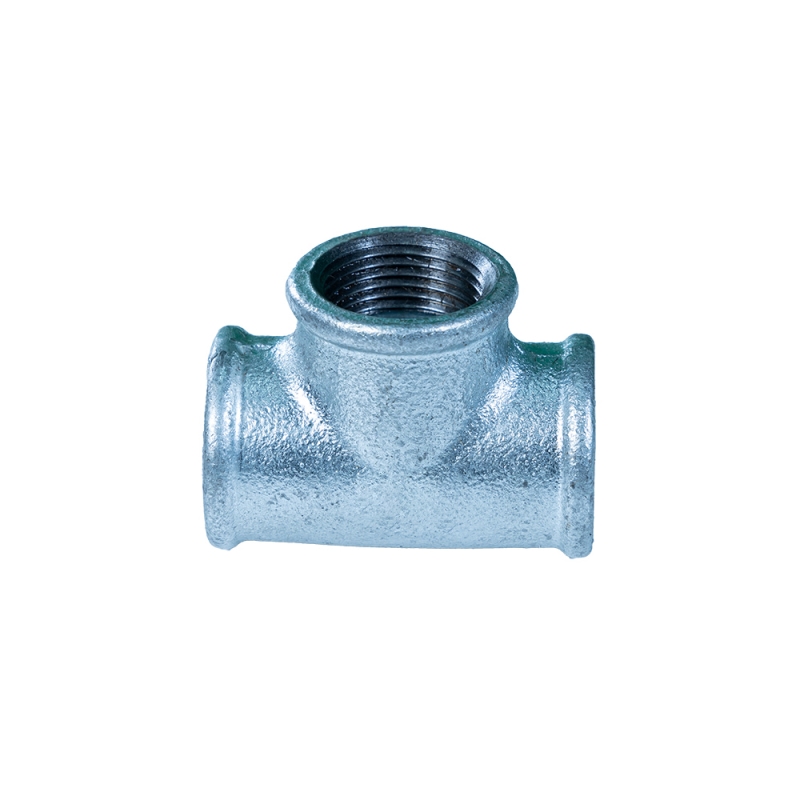
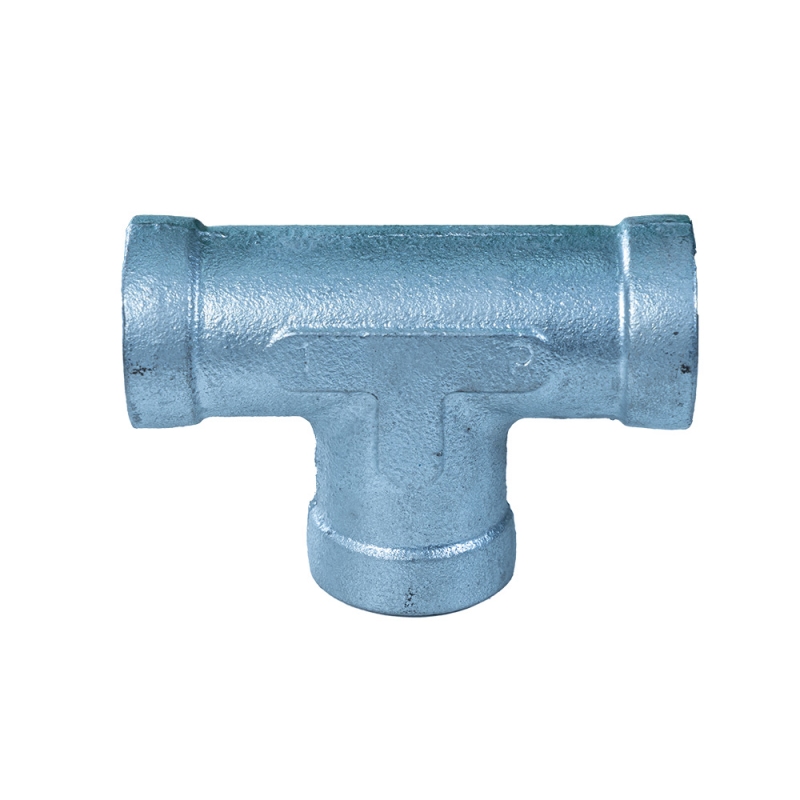
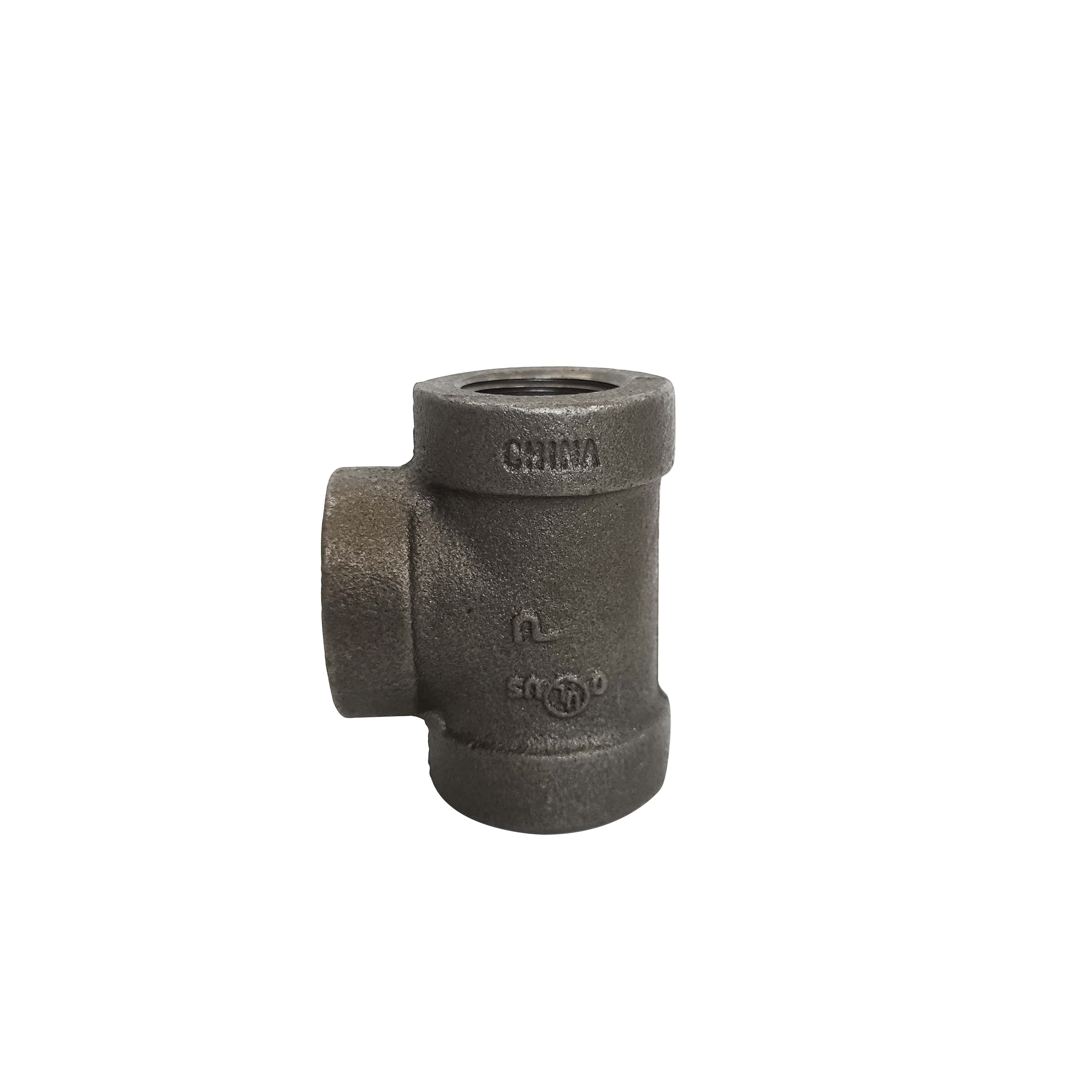
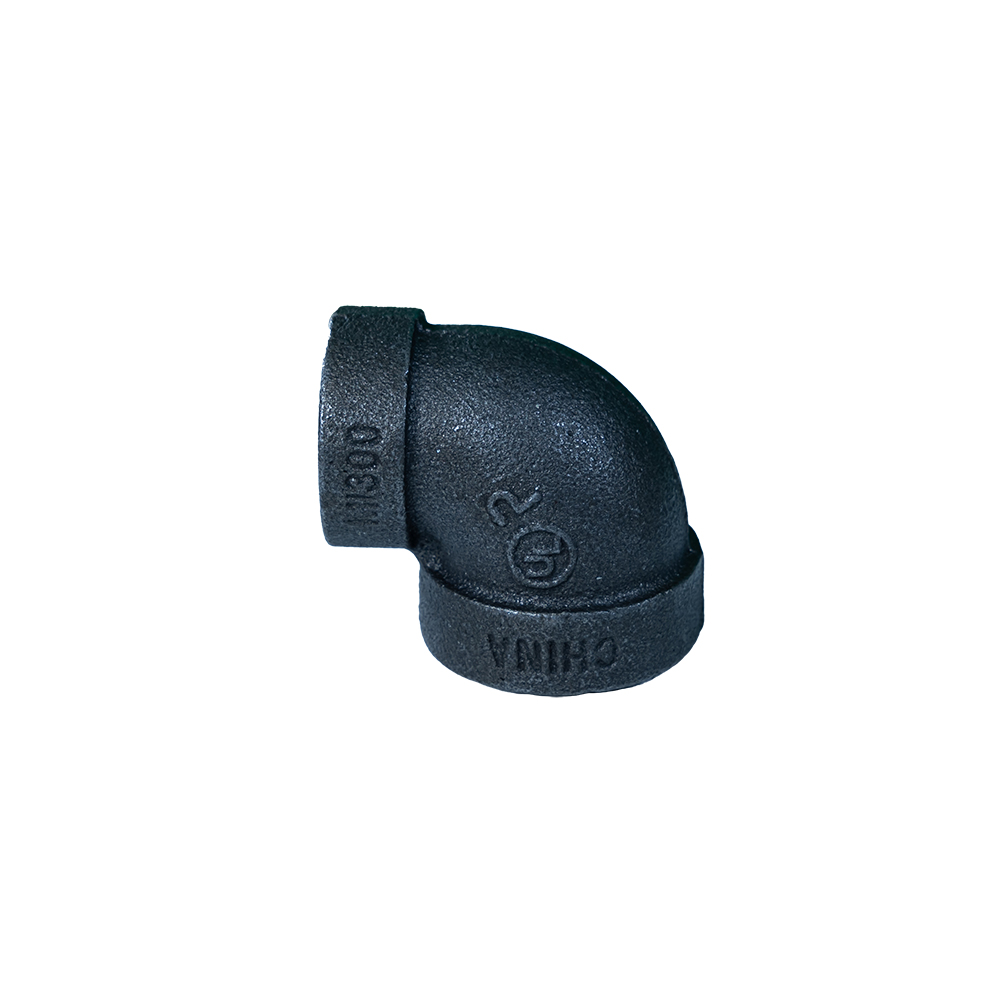
The distinction between these two materials is critical. While both are cast, their internal structures differ wildly. Grey iron contains graphite flakes that act as stress concentrators, leading to brittle fractures. In contrast, the nodules in malleable cast iron allow the material to yield slightly under pressure rather than snapping. This makes it significantly more durable for components like pipe elbows, tees, and couplings that may be subject to physical impact during installation or operation.
Industrial Applications of Malleable Cast Iron
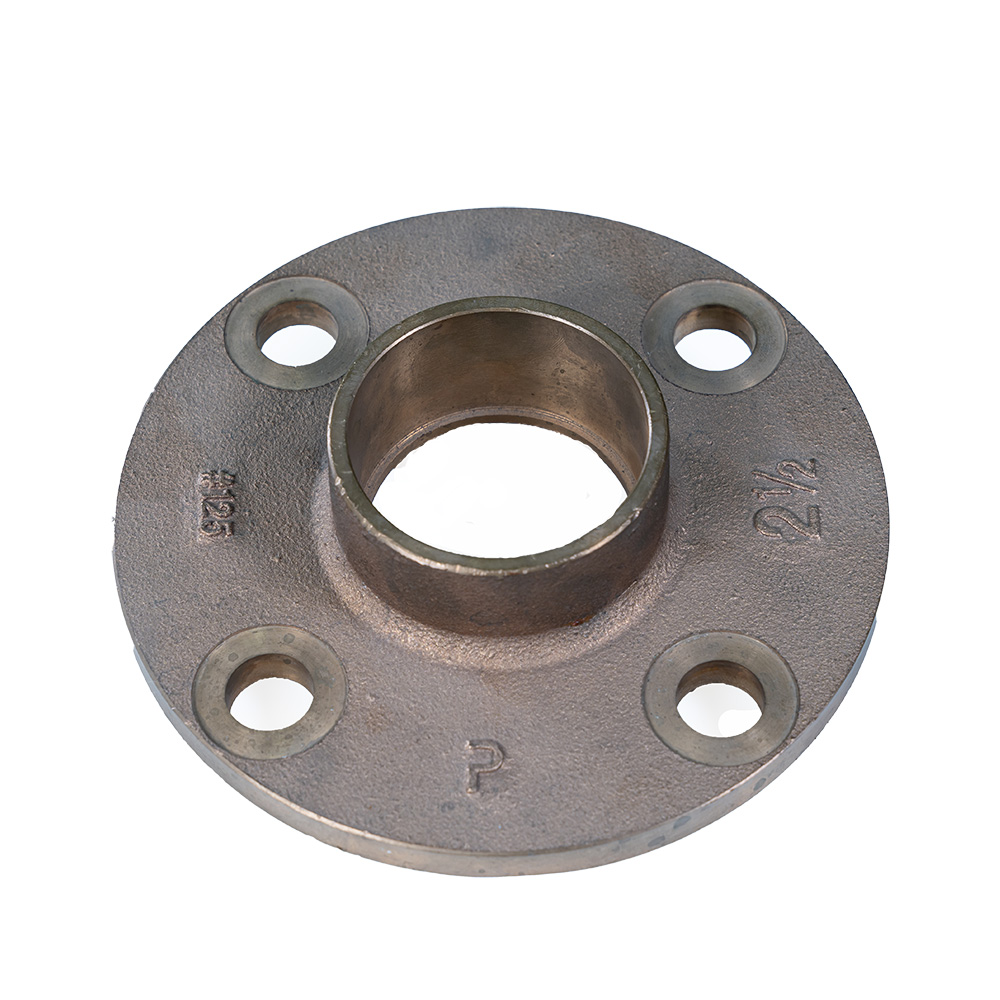
The utility of malleable cast iron extends far beyond simple plumbing. In the automotive sector, it is used for components that require high strength but cannot be easily forged. In the agricultural sector, it's used for heavy-duty machinery parts that must resist wear and tear. However, its most prominent role is in the production of industrial pipe fittings. Because these parts can be cast into complex shapes and then annealed for strength, they provide a perfect solution for connecting pipes in intricate industrial layouts.
Technical Specifications for Malleable Cast Iron Fittings
When sourcing malleable cast iron products, it is important to look at the grade and standards compliance (such as ASTM or EN standards). These specifications ensure that the material has the correct carbon content and has undergone sufficient annealing. Below is a representative specification table for typical malleable iron fittings used in industrial environments.
Maintenance and Corrosion Prevention
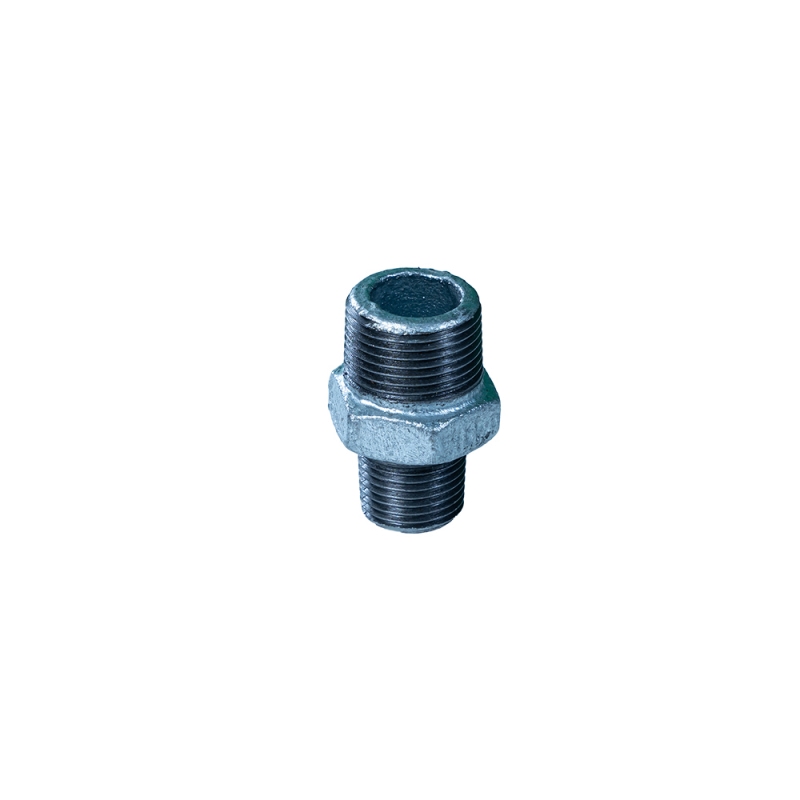
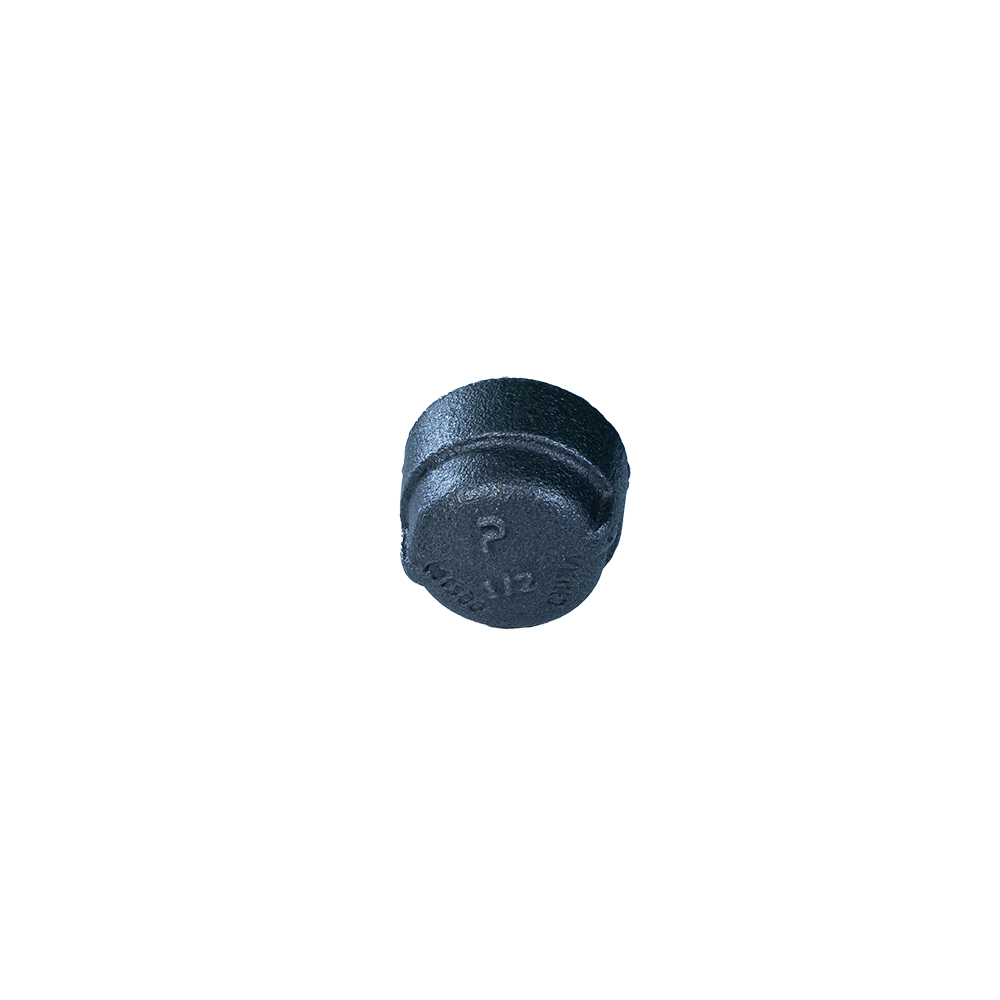
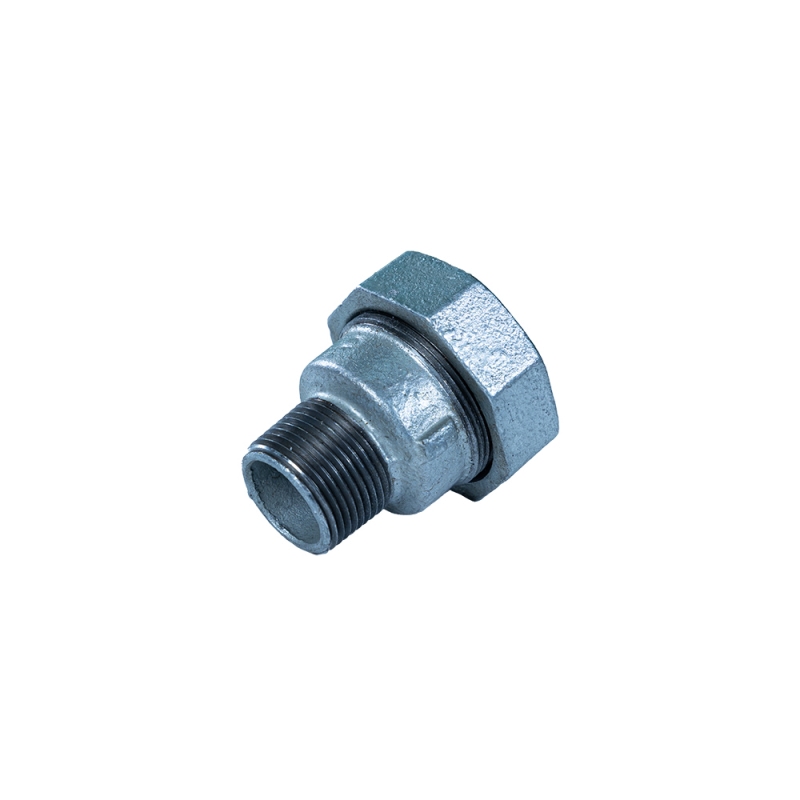
While malleable cast iron is physically strong, it is susceptible to oxidation (rust) if left unprotected. To prevent this, most industrial fittings are either hot-dip galvanized or coated with a black oxide finish. Galvanization creates a zinc layer that acts as a sacrificial anode, protecting the underlying iron from moisture. For high-humidity environments, regular inspections and the application of anti-corrosive paints can further extend the lifespan of the components, ensuring the system remains leak-free and structurally sound for decades.
Conclusion: Choosing the Right Material for Your Infrastructure
The unique properties of malleable cast iron make it an indispensable asset in industrial construction. By combining the efficiency of casting with the durability of forged metals, it provides a cost-effective and reliable solution for high-stress environments. Whether you are designing a new piping network or upgrading existing infrastructure, understanding the technical advantages and proper maintenance of this material ensures long-term safety and efficiency. Invest in quality fittings to ensure your system stands the test of time.
Frequently Asked Questions (FAQs)
Is malleable cast iron the same as ductile iron?
No, while they are similar in their goal of reducing brittleness, they are produced differently. Malleable iron is made by annealing white cast iron, whereas ductile iron (also known as nodular iron) is produced by adding magnesium or cerium to the molten metal to form nodules during the casting process itself. Ductile iron generally offers higher strength and is used for larger components like water mains, while malleable cast iron is more common for smaller, complex fittings.
Can malleable cast iron be welded?
Welding malleable cast iron is possible but challenging. Because of its high carbon content, the heat from welding can create brittle zones (martensite) in the heat-affected area, which may lead to cracking. Specialized nickel-based electrodes and pre-heating/post-heating processes are required to ensure a strong bond. For most applications, threaded or flanged connections are preferred over welding for this material.
How do I prevent rust on malleable iron fittings?
The most effective way to prevent rust on malleable cast iron is through galvanization. Hot-dip galvanizing coats the iron in a protective layer of zinc. For existing installations, using high-quality industrial primers and anti-corrosive paint can prevent moisture from reaching the metal surface. Additionally, ensuring the environment is well-ventilated and free from excessive humidity can significantly extend the lifespan of the material.
What are the most common uses for malleable iron fittings?
Malleable iron fittings are widely used in low-to-medium pressure systems. Common examples include galvanized water piping, gas lines for heating, and compressed air systems in workshops. Because of their ability to withstand mechanical shock and their ease of installation via threading, they are the go-to choice for elbows, tees, unions, and couplings in both residential and industrial plumbing architectures.
Post time: Apr-16-2026