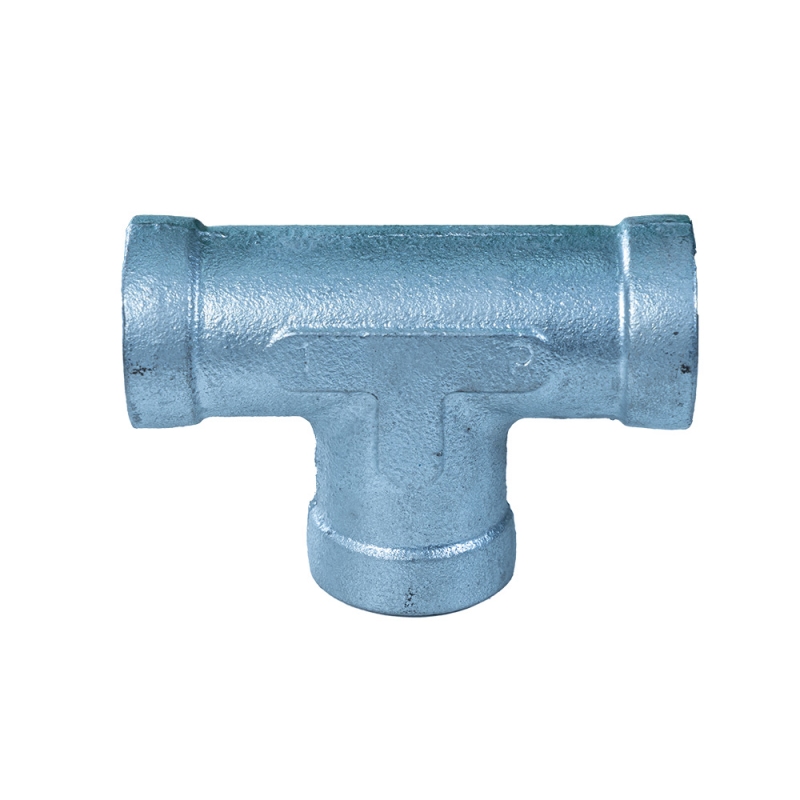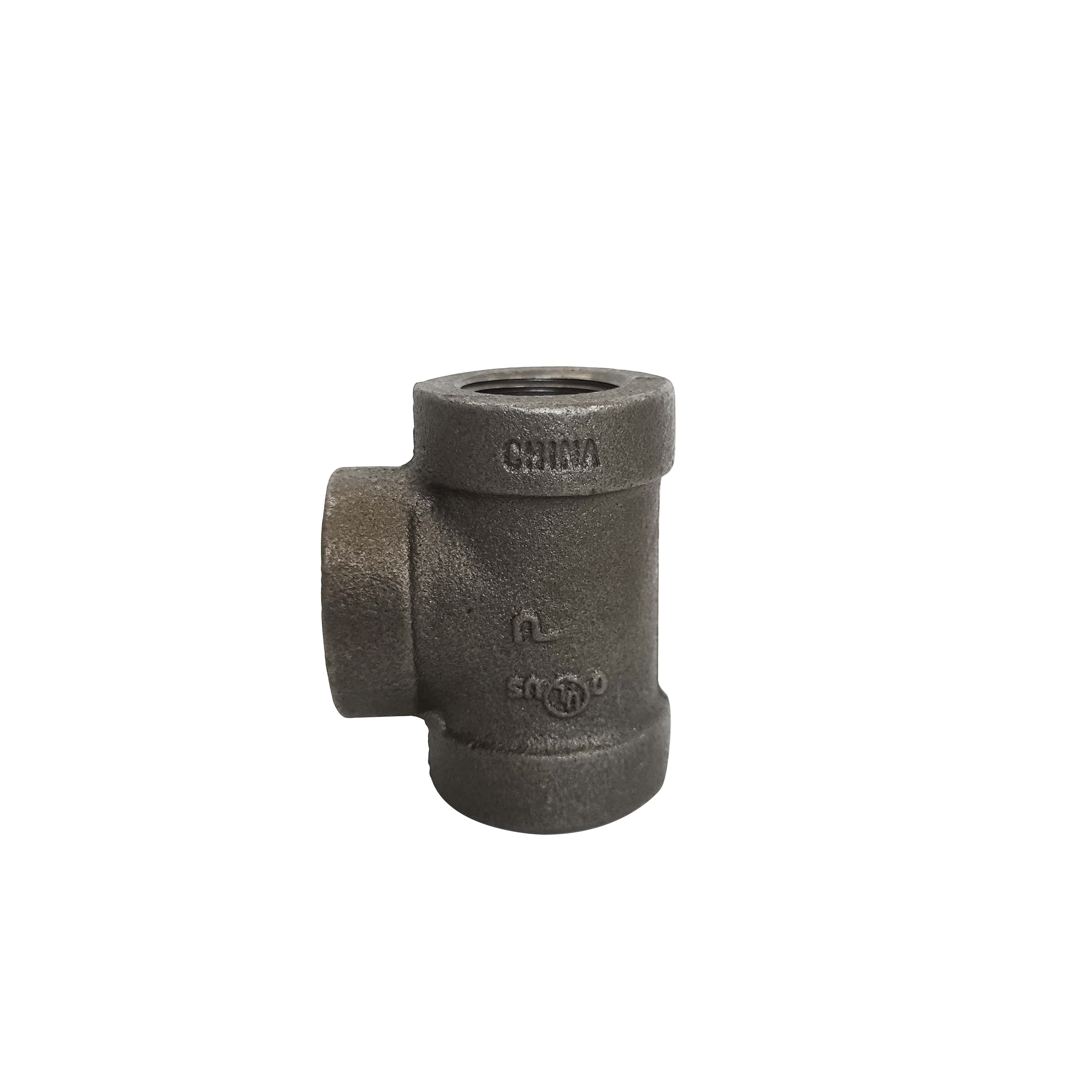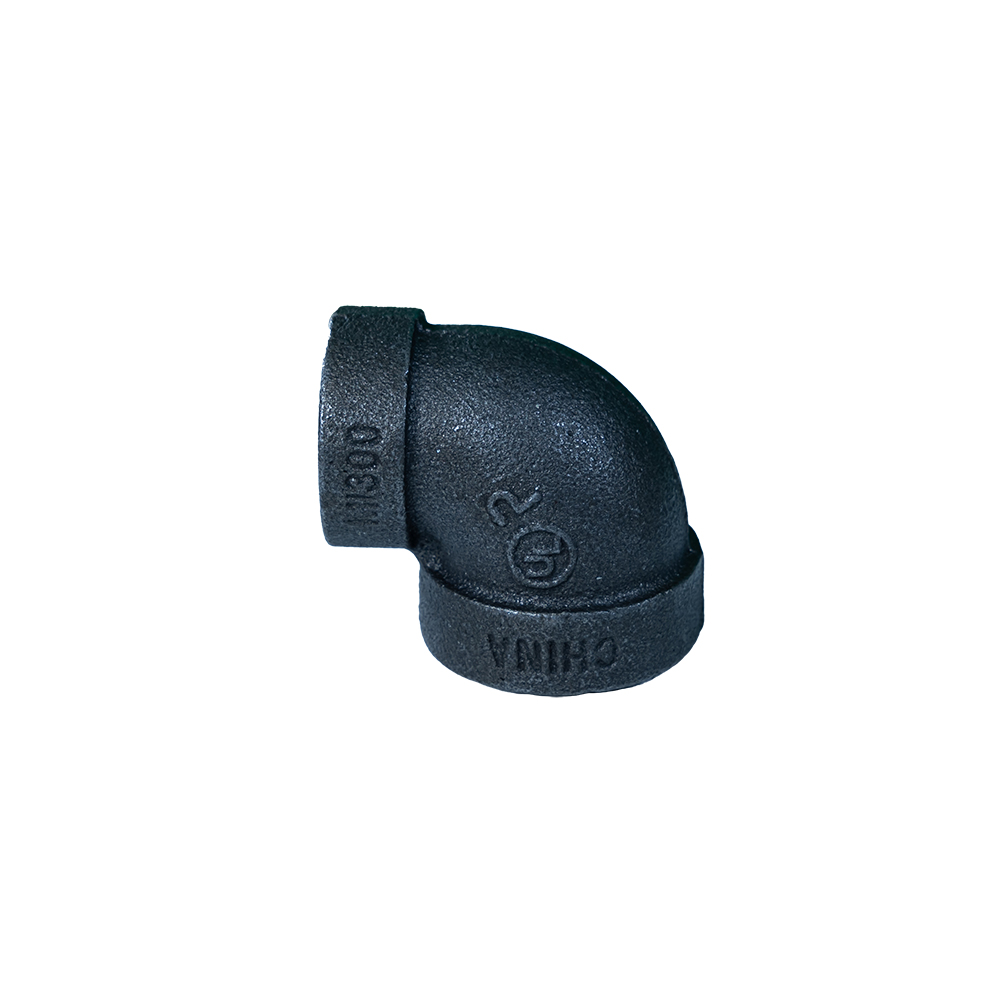

Understanding Union Coupling: A Small Component With Huge Global Impact
At first glance, a union coupling might seem like just another small piece in the piping puzzle — but it plays a vital role worldwide in industries ranging from water treatment to oil and gas. Why should we care about such a seemingly mundane hardware? Because these couplings are the unsung heroes of connection reliability and maintenance efficiency, crucial to infrastructure stability around the world. Whether in remote industrial zones or bustling city pipelines, understanding how union couplings work and where they matter can save time, money, and sometimes even lives.
In an increasingly interconnected and industrialized world, the seamless joining of pipes without leaks or costly downtime is more critical than ever. That’s the real beauty behind the humble union coupling.
Global Context: Why Union Coupling Matters Today More Than Ever
Globally, pipeline infrastructure is growing at a rapid pace. According to the International Energy Agency (IEA), the world’s liquid fuel pipelines alone span over 1 million kilometers, carrying fuels essential to energy security and economic development. With that growth, the need for reliable pipe connections is skyrocketing. Faulty pipe joints often mean leaks, environmental damage, and costly repairs.
Union couplings address specific challenges: rapid installation, ease of maintenance, and adaptability to varying pipe diameters. Especially in hardened environments—extreme temperatures, remote locations, or volatile oil fields—these couplings offer solutions that traditional welding or threaded joints can’t match.
The UN even highlights water infrastructure integrity as a cornerstone of sustainable development (SDG 6). You can imagine how crucial leak-proof, quick-to-fix connectors like union couplings are to keep clean water flowing safely.
Breaking It Down: What Exactly Is a Union Coupling?
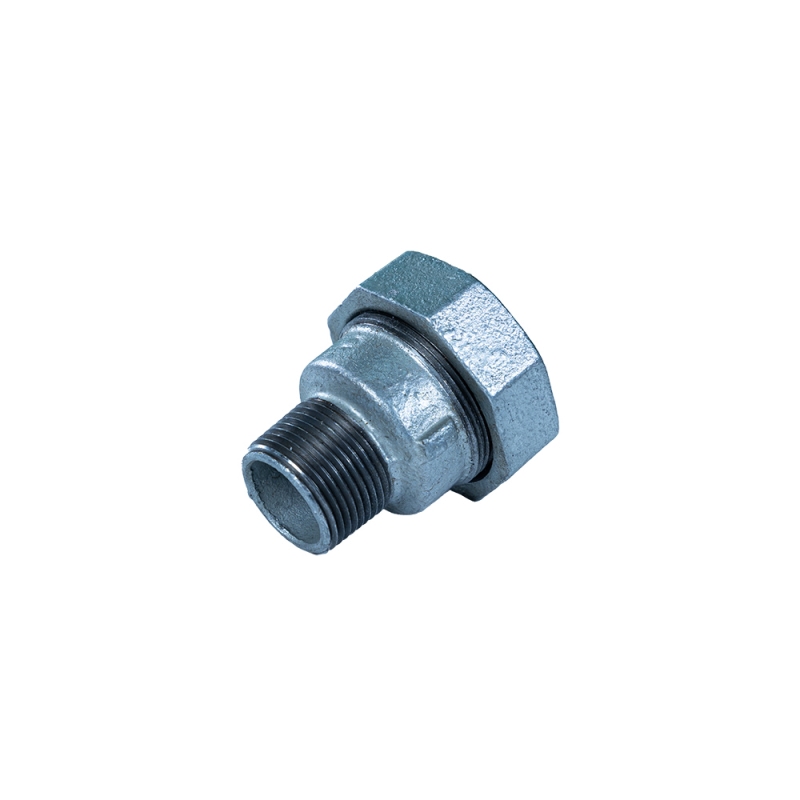
Simply put, a union coupling is a fitting designed to connect two pipes and allow for easy disconnection without cutting the pipe. Unlike permanent welds, this mechanical joint enables quick assembly or disassembly — a lifesaver during maintenance or system upgrades.
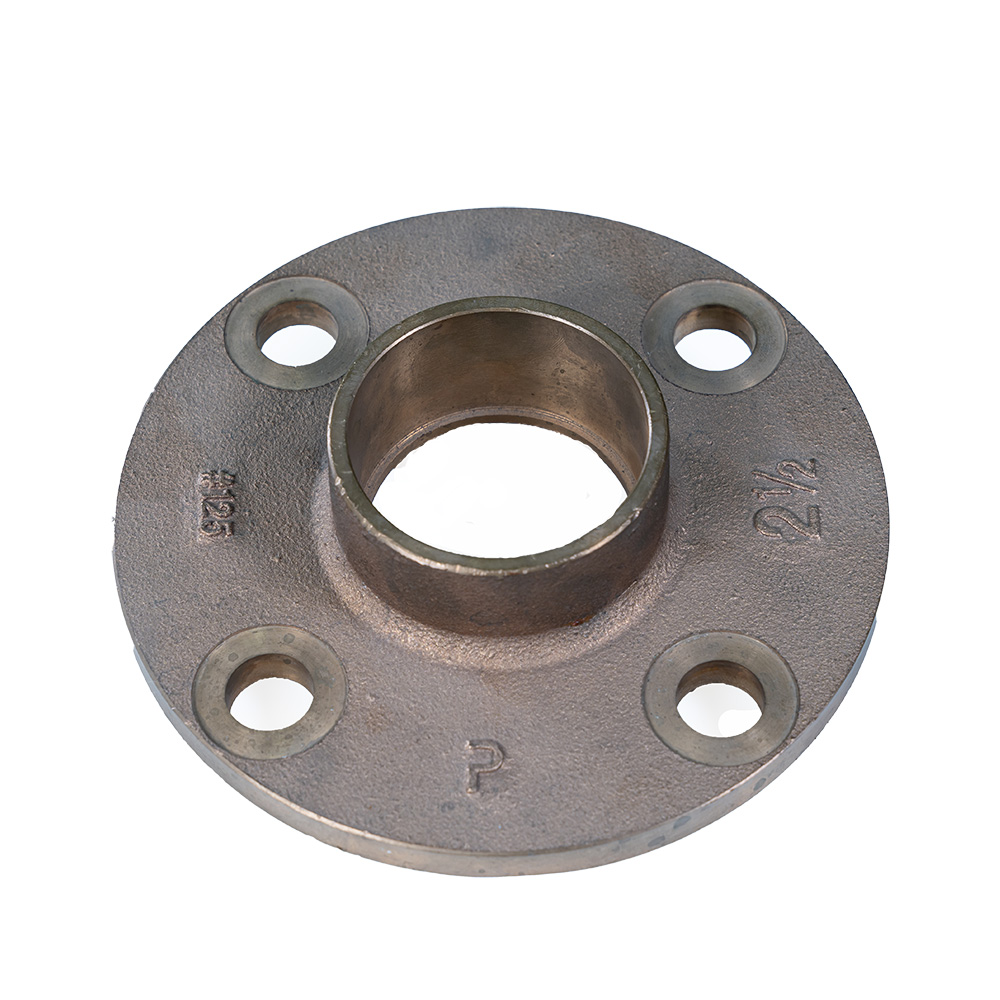
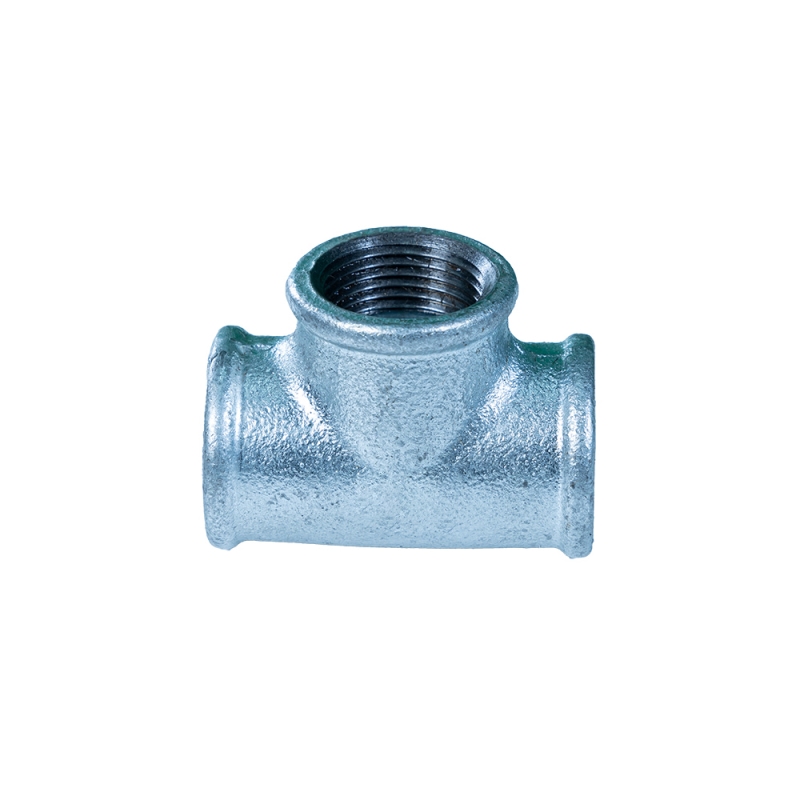
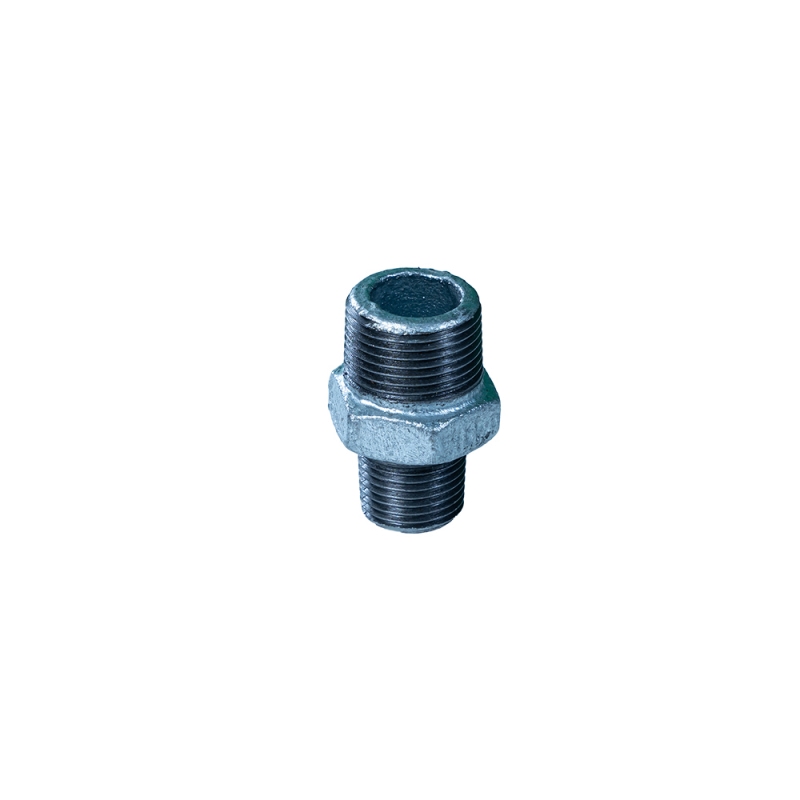
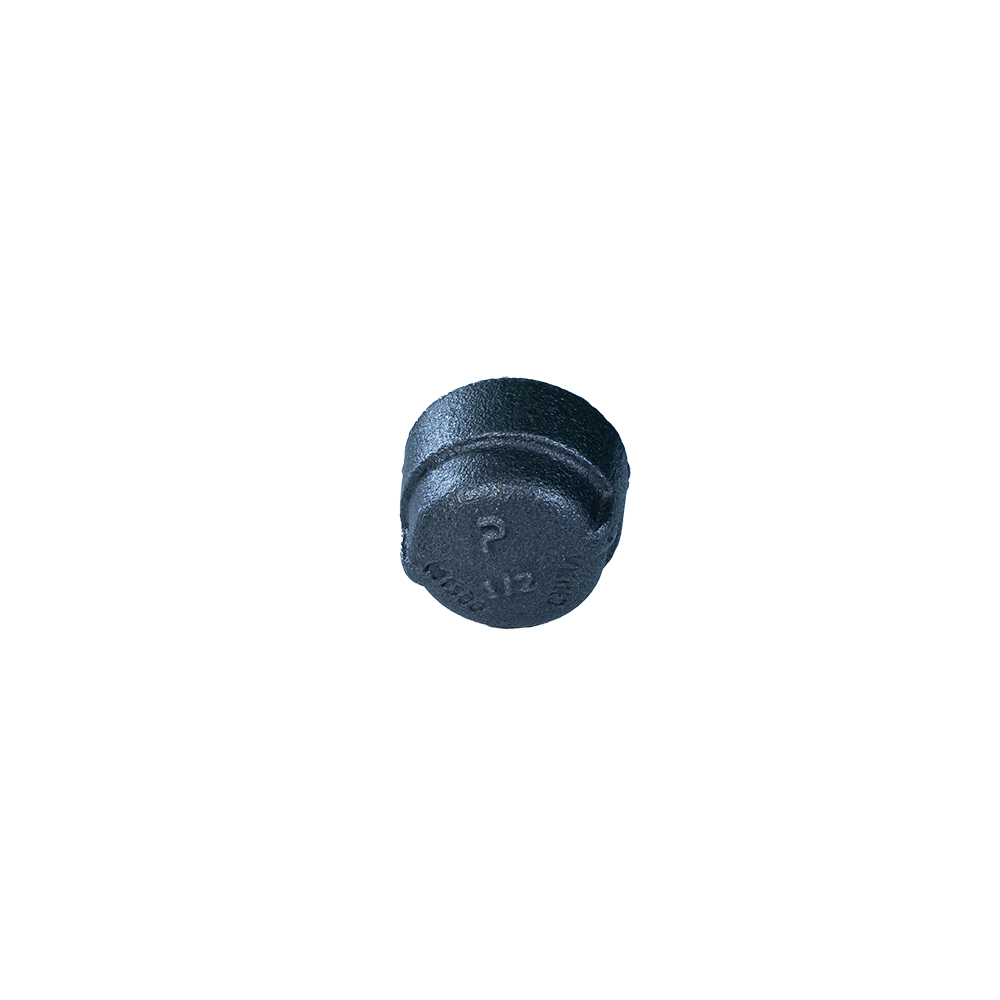
They typically consist of three parts: two end nuts attached to pipe ends and a central nut that tightens the joint. When joined, they form a tight seal that can withstand pressure while allowing flexibility.
These fittings aren’t just industrial plumbing niceties; they support humanitarian needs too. In disaster relief, for example, field water supply setups rely heavily on union couplings for their modular, easy-to-assemble nature — entire temporary networks can be patched together overnight.
Key Characteristics of Union Couplings That Keep Pipelines Flowing
1. Durability Under Pressure and Harsh Conditions
Many engineers say durability is king when it comes to piping connections. Union couplings are typically made from strong metals like stainless steel or brass, engineered to resist corrosion and extreme temperatures. This means systems stay reliable even offshore or in chemical plants.
2. Simple Maintenance and Scalability
Picture a pipeline that needs frequent inspection or part replacement. Thanks to union couplings, sections can be dismantled quickly without cutting pipes or welding. This scalability also means systems can be expanded with minimal hassle.
3. Cost Efficiency Over the System Lifecycle
While the initial cost of union couplings might appear slightly higher than basic fittings, the savings from decreased downtime and easier repairs often outweigh upfront investment. Many operators report roughly 20-30% savings annually on maintenance due to this.
4. Versatility Across Materials and Sizes
Union couplings come in all sorts of sizes and can connect different pipe materials – metal to plastic, for example. This flexibility is indispensable in modern mixed-material infrastructure.
5. Leak-Proof Sealing Mechanisms
Innovations in gasket and O-ring materials ensure a water-tight seal capable of resisting pressure spikes. The right union coupling prevents the dreaded drips and bursts that cause chaos downstream.
Mini takeaway:
Union couplings combine strength, flexibility, and maintenance ease — all vital qualities that keep complex piping networks safe and functional.
Where in the World Are Union Couplings Most Vital?
Union couplings find their way into myriad industries and geographies:
- Oil & Gas Fields: In remote deserts and offshore rigs, their ability to tolerate motion and pressure makes them indispensable.
- Water Treatment Plants: Operators often prefer them because rapid repairs minimize water disruption to communities.
- Disaster Relief Zones: NGOs assembling emergency water or heating systems rely on them for fast modular builds.
- Urban Infrastructure: Aging city pipelines benefit from union couplings that enable easier segment replacement during upgrades.
For instance, after the 2010 Haiti earthquake, relief teams used thousands of union couplings shipped in compact kits, enabling swift water supply reconnections in an area with damaged infrastructure.
Advantages Beyond the Pipe: Long-Term Value & Impact
Cost savings? Check. Faster repairs? Yes. But union couplings also promote sustainability by extending pipe system life and reducing waste from cut pipes. For plant engineers, they reduce stress and increase trust — because knowing a pipeline can be easily worked on without full shutdown is priceless.
Emotionally, they symbolize safety and human dignity, especially where access to clean water or heating is a daily concern. And from an innovation standpoint, continuous design upgrades keep them relevant as smart infrastructure and IoT solutions emerge.
Looking Ahead: What’s Next in Union Couplings?
Oddly enough, union couplings are evolving quietly but steadily:
- Advanced Materials: Composite and polymer-metal hybrids reduce weight without sacrificing strength.
- Smart Sensors: Some new couplings embed sensors to monitor joint integrity or detect leaks instantly.
- Eco-Friendly Manufacturing: Policies increasingly push for greener production methods, minimizing carbon footprints.
- Automation & Robotics: Automated assembly in factories and remote-controlled field fittings help with inaccessible pipelines.
Facing Challenges: How to Overcome Common Union Coupling Issues
Of course, it’s not perfect. Challenges include:
- Sealing failure over time due to gasket wear.
- Compatibility concerns with highly reactive chemicals.
- Installation errors causing leaks.
To tackle these, vendors recommend:
- Regular gasket inspections and replacements.
- Material choices tailored to chemical exposure.
- Training technicians rigorously on proper torque and assembly.
Modern engineering also offers modular replacement kits, custom gaskets, and ultra-durable alloys to offset these risks.
Union Coupling Product Specification Table
| Specification | Union Coupling Models |
|---|---|
| Material | Stainless Steel, Brass, Carbon Steel, PVC |
| Pressure Rating | 150 psi to 600 psi (varies by model) |
| Size Range | 1/2" to 12" diameter pipes |
| Temperature Range | -40°C to 200°C |
| Seal Type | NBR, EPDM, PTFE O-rings |
| Connection Type | Threaded or Flanged |
Vendor Comparison at a Glance
| Feature | Vendor A | Vendor B | Vendor C |
|---|---|---|---|
| Material Choices | SS, Brass, Carbon Steel | SS, PVC | Alloys + Polymer blends |
| Pressure Rating | Up to 600 psi | Up to 300 psi | Up to 500 psi |
| Lead Time | 2-3 weeks | 1 week | 3-4 weeks |
| Customization Options | Extensive | Limited | Moderate |
| Warranty | 5 years | 2 years | 3 years |
Frequently Asked Questions About Union Coupling
- Q: How does a union coupling differ from a flanged or threaded joint?
- A: Unlike threaded joints that screw directly onto pipe threads or flanged joints that bolt together, union couplings combine both features for easy, quick disassembly without damaging pipes. This means maintenance or upgrades become less time consuming.
- Q: Can union couplings be used with plastic pipes?
- A: Absolutely! Many modern union couplings are compatible with plastics like PVC or CPVC. Typically, special adapters or seal materials ensure a tight fit and avoid damaging the plastic.
- Q: What’s the typical lifespan of a union coupling in industrial applications?
- A: With proper installation and maintained seals, union couplings can last 10 to 20 years. However, environmental factors such as corrosion, mechanical stress, or temperature variations affect durability, so regular inspections are recommended.
- Q: Are union couplings suitable for high-pressure chemical pipelines?
- A: Yes, provided the materials and sealing choices match the chemicals and pressures involved. Many vendors offer specialty gaskets and corrosion-resistant alloys designed for aggressive environments.
- Q: How do I ensure I choose the right union coupling supplier?
- A: Look for vendors providing certifications (ISO, API), good warranty terms, customization ability, and prompt support. It helps to verify field references and request sample fittings to test compatibility.
Conclusion: Why Union Couplings Are a Smart Investment for the Long Haul
Whether you’re maintaining municipal water lines, building remote oil pipelines, or assembling rapid disaster relief systems, investing in quality union couplings pays dividends. They reduce downtime, improve safety, and add adaptability to ever-changing project needs. The future looks promising with smart materials and IoT-ready components soon becoming standard.
For anyone in the industry, or even NGOs deploying emergency infrastructure, union couplings are a small detail — but one that can make a massive difference. If you want to learn more or see product options in action, check out products like the reliable union coupling varieties available, designed for easy fit and lasting performance.
References
Post time: Nov-29-2025