
Understanding Cast Iron Pipe Caps: A Comprehensive Guide
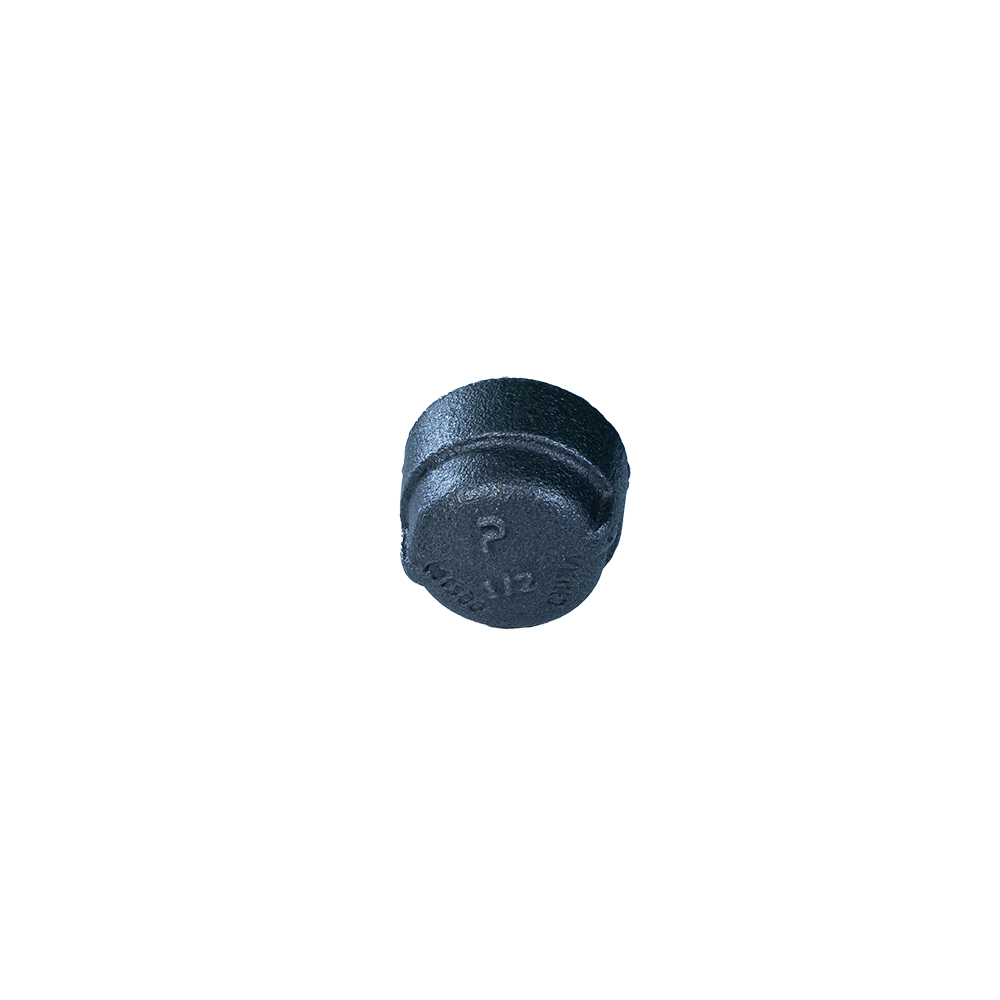
Cast iron pipe caps are essential components in plumbing and industrial systems, providing a secure and durable seal for open pipe ends. They prevent contamination, maintain pressure, and ensure the integrity of the pipeline. Choosing the right cast iron pipe cap is crucial for long-term performance and reliability. This article will delve into the various aspects of these caps, including types, applications, materials, and installation considerations. We will explore how Pannext Fittings delivers high-quality solutions for your piping needs.
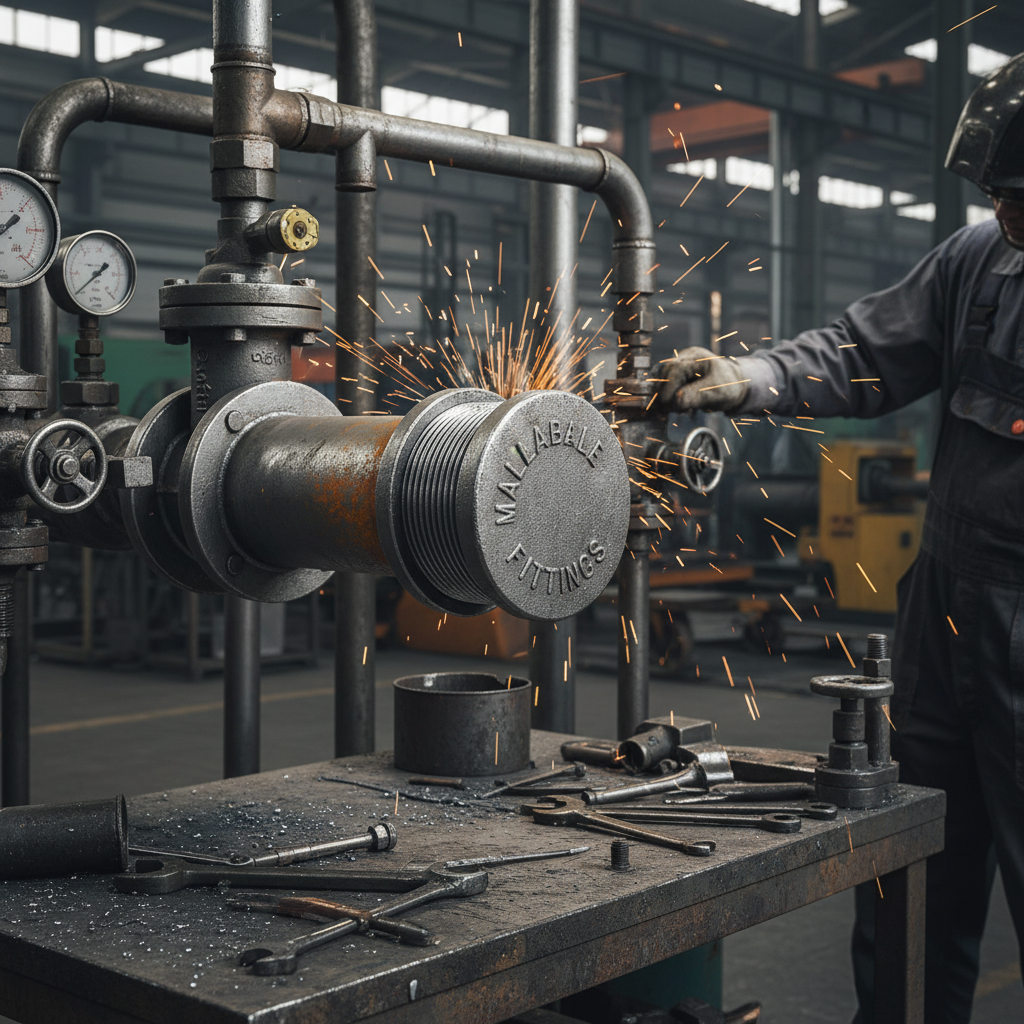
Types of Cast Iron Pipe Caps
Cast iron pipe caps come in several designs, each suited for specific applications. The most common types include:
- Threaded Caps: These caps feature threads that match the pipe, providing a secure, screw-on connection.
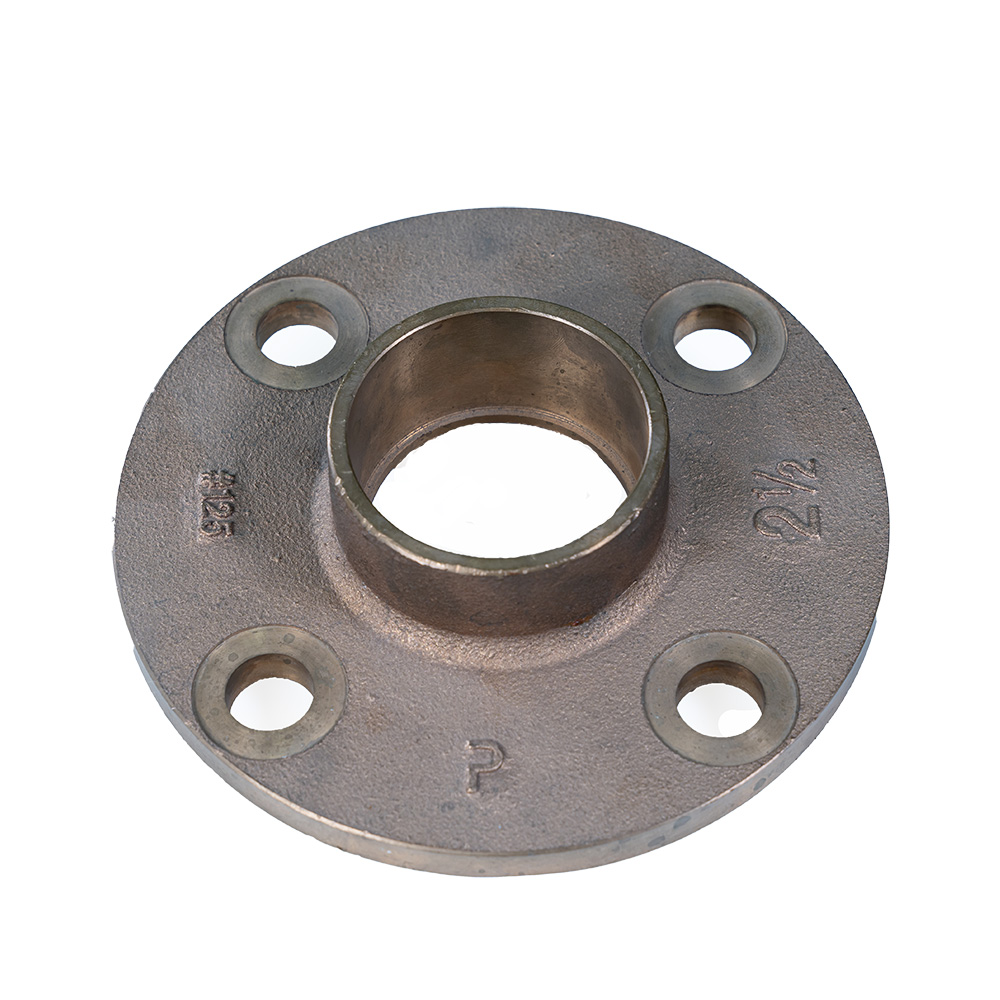
- Flanged Caps: Utilizing a flange connection, these are ideal for high-pressure applications and allow for easy removal.
- Welded Caps: Offered for permanent sealing and maximum strength, welded caps are frequently used in critical systems.
- Blind Caps: Provide a solid closure, primarily used for testing or completely blocking a pipe.
The choice depends on factors such as pressure requirements, frequency of access, and the need for a permanent or temporary seal. Pannext Fittings offers a comprehensive range of these types to meet diverse project needs.
Key Takeaway: Selecting the correct cap type is paramount for ensuring a secure and long-lasting seal, impacting the overall efficiency and safety of the piping system.
Applications of Cast Iron Pipe Caps
Cast iron pipe caps are utilized across a broad spectrum of industries. Some key applications include:
- Water and Wastewater Treatment: Sealing off sections of pipe for maintenance or repair.
- Industrial Piping Systems: Protecting open ends from contamination and maintaining system pressure.
- Fire Protection Systems: Ensuring system integrity during testing and preventing water loss.
- HVAC Systems: Closing off unused pipe runs during installation or renovation.
- Oil and Gas Industry: Providing robust sealing in demanding environments.
Their durability and resistance to corrosion make them a preferred choice for long-term reliability. Pannext Fittings caters to these diverse needs with high-quality cast iron caps.
Application Benefits:
• Prevention of contamination and debris entering the piping system
• Maintenance of system pressure for optimal performance
• Ensuring the structural integrity and longevity of the pipeline
Cast Iron Pipe Cap Materials and Their Properties
While the term “cast iron” is common, various grades and alloys are used in pipe cap manufacturing. Ductile iron is a popular choice due to its superior strength and ductility compared to traditional gray cast iron. The addition of alloys like nickel and chromium enhances corrosion resistance. Material selection is critical for ensuring compatibility with the fluid being conveyed and the operating environment.
Selecting the Right Cast Iron Pipe Cap: Key Considerations
Choosing the appropriate cap involves evaluating several factors. These include the pipe material and diameter, the operating pressure and temperature, the fluid being conveyed, and the desired level of permanence. Always ensure the cap’s pressure rating exceeds the maximum operating pressure of the system. Consider the environment and select materials with adequate corrosion resistance. Proper sizing is also crucial for a leak-proof seal. Pannext Fittings offers expert guidance to help you select the ideal cap for your specific application.
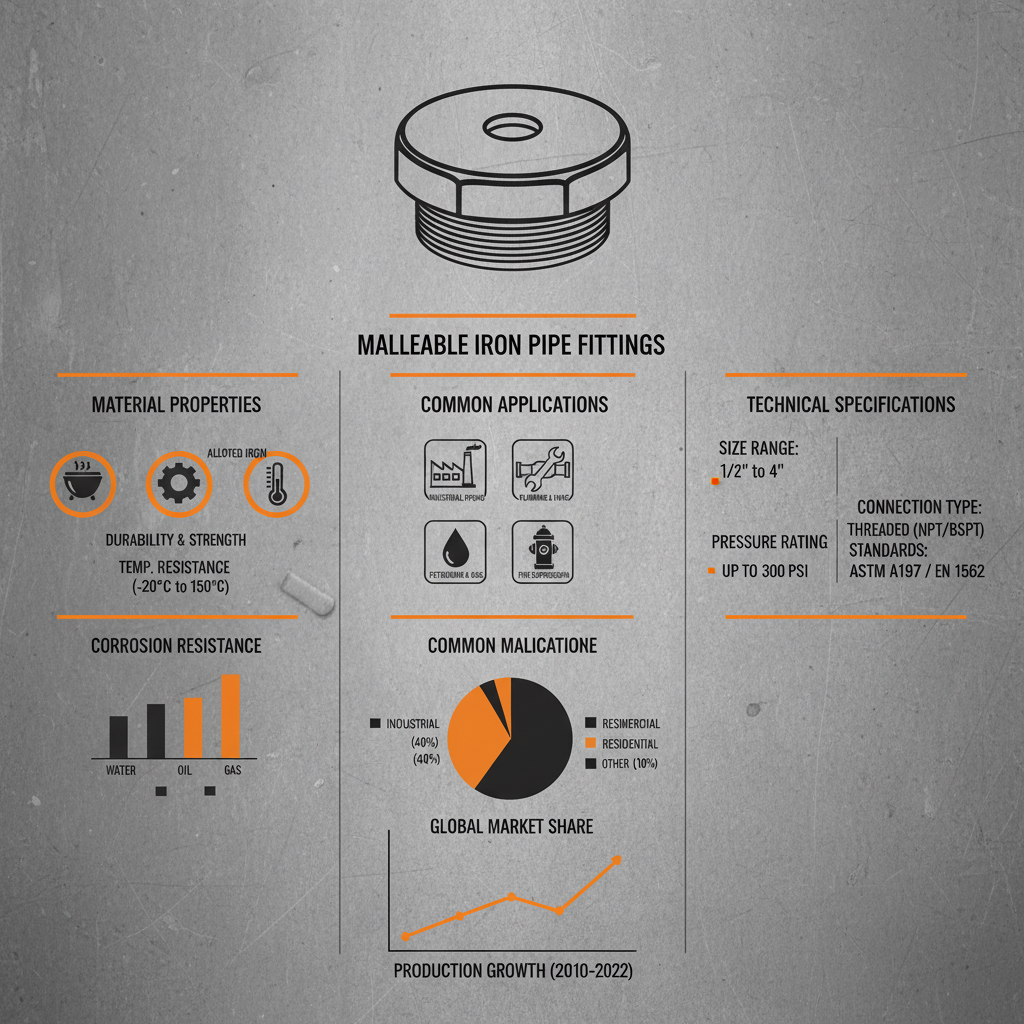
Installation and Maintenance Best Practices
Correct installation is vital for ensuring a reliable seal. For threaded caps, apply pipe sealant to the threads before tightening. For flanged caps, ensure the flange surfaces are clean and the gasket is properly seated. Welded caps require skilled welders to create a strong, leak-proof weld. Regular inspection for corrosion or damage is essential. Replace any damaged or corroded caps immediately to prevent leaks and maintain system integrity. Proper maintenance extends the lifespan of your piping system and minimizes the risk of costly repairs. Pannext Fittings provides quality products and support for a hassle-free installation and lasting performance.
Conclusion: Ensuring System Integrity with Quality Cast Iron Caps
Selecting the right cast iron pipe cap from a reputable supplier like Pannext Fittings is crucial for maintaining the safety, efficiency, and longevity of your piping systems. By understanding the different types, materials, applications, and installation best practices, you can ensure a secure and reliable solution for your specific needs. Invest in quality – it’s an investment in peace of mind.
Frequently Asked Questions (FAQs)
What size cast iron pipe cap do I need?
Determining the correct size requires accurately measuring the outer diameter of the pipe. Cast iron pipe sizes are typically nominal, meaning they differ slightly from the actual diameter. It’s essential to use a precise measuring tool and consult a pipe sizing chart. Ensure the cap’s internal diameter matches the pipe’s outer diameter for a secure fit. If you’re unsure, contacting a piping specialist at Pannext Fittings is recommended.
Can cast iron pipe caps be used with PVC pipe?
Generally, no. Cast iron and PVC have different materials, and are not compatible. Attempting to connect them directly could lead to leaks and system failure. Transition fittings are needed to convert between the two materials. These fittings allow for a secure and compatible connection. It's vital to use the correct transition adapter that is specifically designed for both cast iron and PVC.
How do I prevent corrosion on cast iron pipe caps?
Corrosion can be mitigated through several methods. Selecting caps made from corrosion-resistant materials like ductile iron or alloyed cast iron is a primary step. Applying a protective coating, such as epoxy or paint, provides an additional barrier against moisture and corrosive agents. Regular inspection and maintenance, including cleaning and re-coating as needed, also help prevent corrosion. In particularly harsh environments, cathodic protection may be considered.
Post time: Apr-04-2026