
Understanding and Utilizing Cast Iron Caps
In the realm of pipeline protection and fluid control, the humble cast iron cap plays a critical role. Often overlooked, these components are essential for ensuring the safety, efficiency, and longevity of various systems. This article will delve into the world of cast iron caps, exploring their applications, benefits, material properties, and how Pannext Fittings delivers high-quality solutions to meet diverse industry needs. We'll cover everything from basic functionality to specialized uses, helping you understand why these caps are so vital.
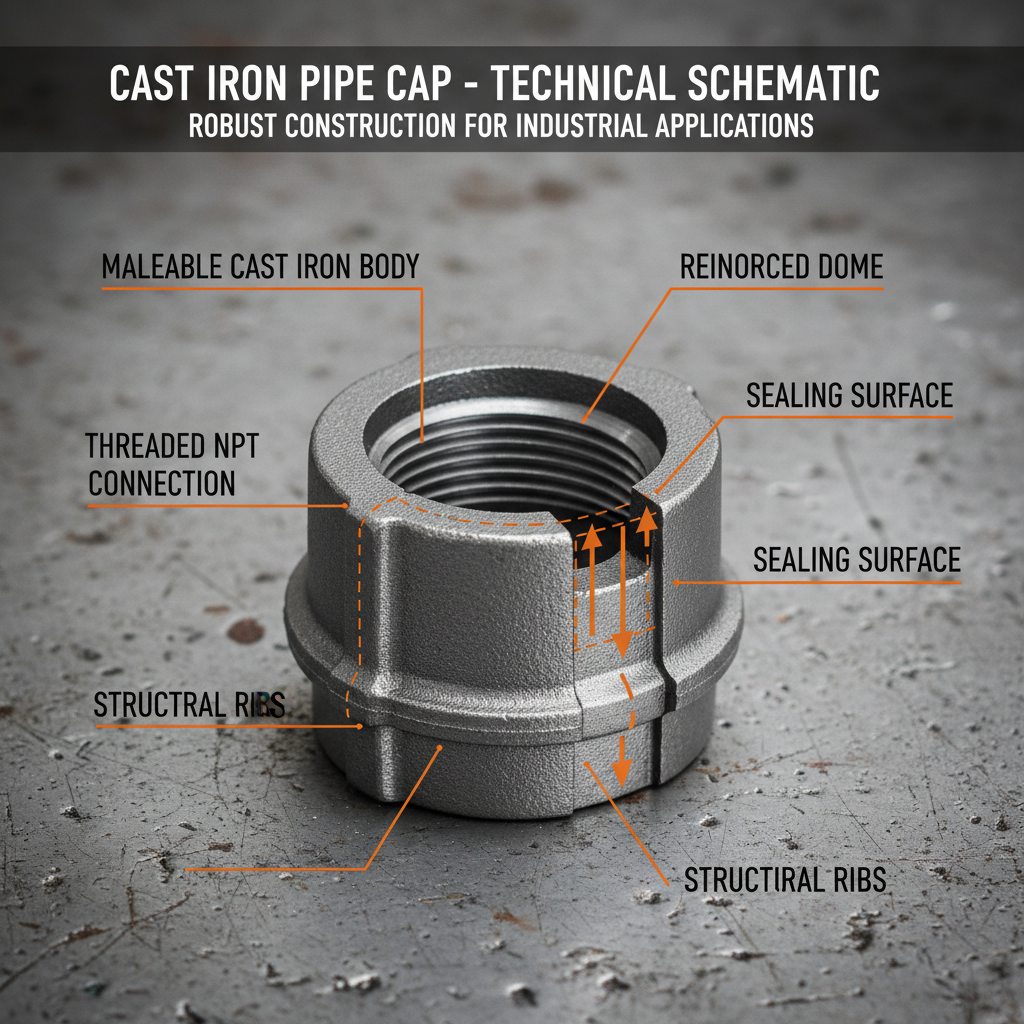
What is a Cast Iron Cap?
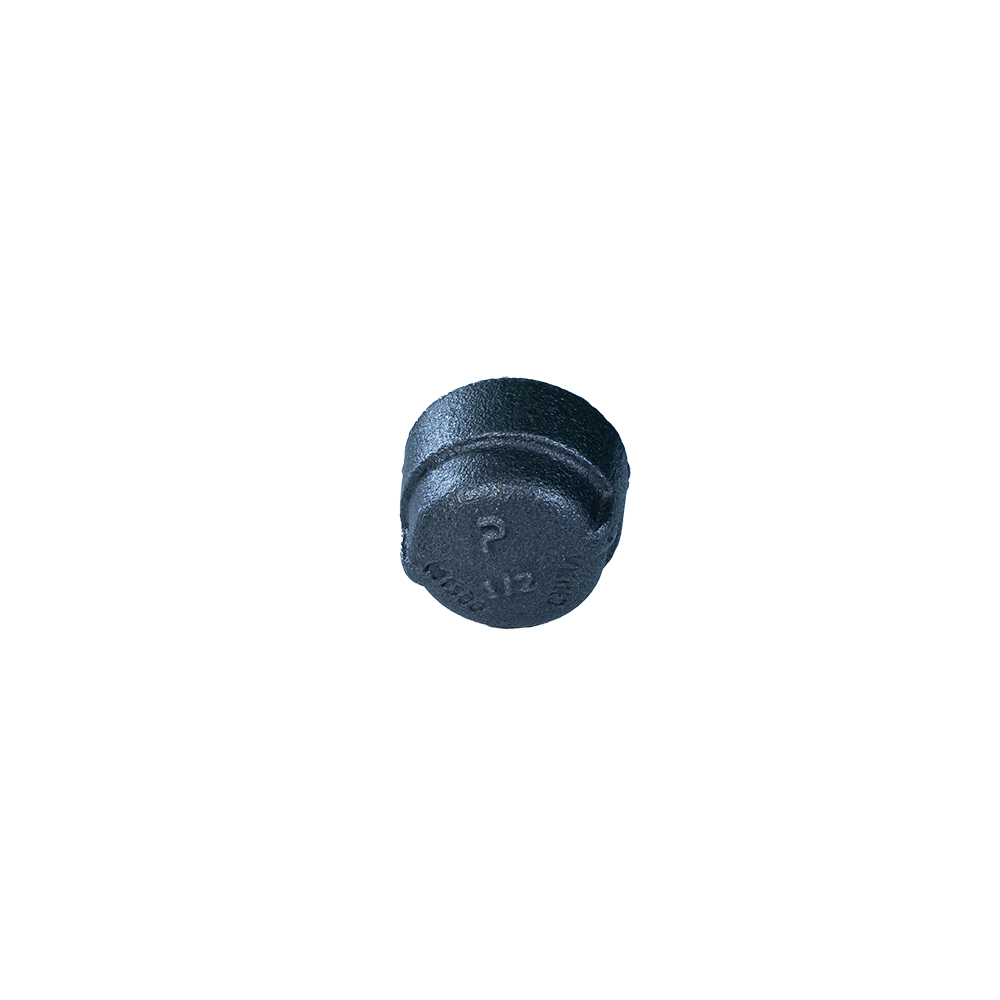
A cast iron cap is a protective covering designed to seal the end of a pipe, fitting, or valve. Primarily, they prevent contamination from entering the system and protect the open ends from physical damage. They are particularly useful during maintenance, installation, or when a pipeline is temporarily out of service. These caps aren’t simply ‘end pieces’; they’re integral parts of maintaining system integrity. Different types exist, tailored to specific pipe diameters, connection types (threaded, flanged), and pressure ratings. Understanding the specific requirements of your system is crucial for selecting the appropriate cap.
The Advantages of Choosing Cast Iron
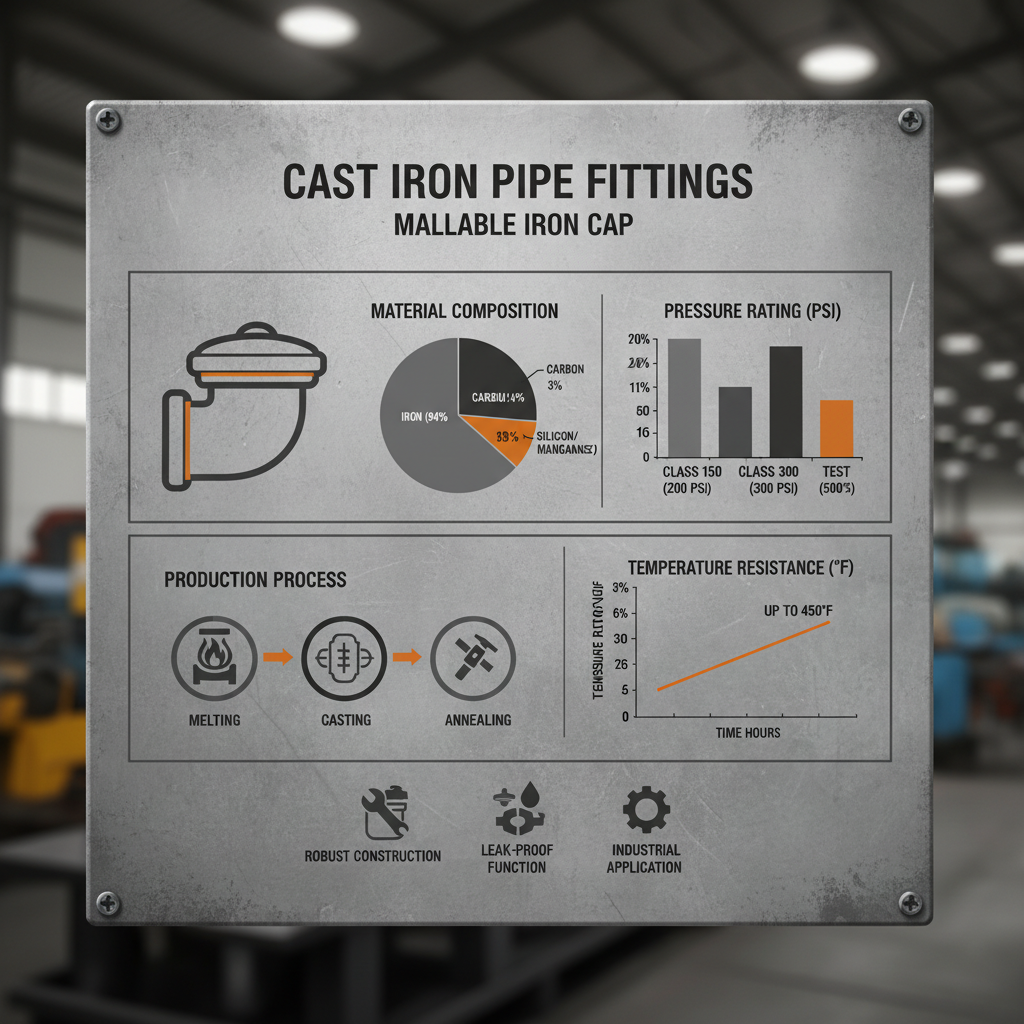
Cast iron remains a preferred material for many industrial applications due to its unique properties. It offers exceptional strength and durability, capable of withstanding significant pressure and impact. Its inherent corrosion resistance, especially when combined with protective coatings, ensures a long service life. Furthermore, cast iron is relatively inexpensive compared to other materials like stainless steel or specialized alloys, making it a cost-effective solution. Pannext Fittings utilizes high-quality cast iron to manufacture caps that deliver reliable performance and longevity.
Key Benefits: Exceptional strength, durability, corrosion resistance, cost-effectiveness, and suitability for high-pressure applications.
Applications of Cast Iron Caps
The versatility of cast iron caps extends across numerous industries. They are commonly used in water and wastewater treatment plants, oil and gas pipelines, chemical processing facilities, and fire protection systems. Specifically, they are used to cap off unused pipe ends during construction, provide temporary protection during maintenance operations, and seal pipelines for testing purposes. They are also vital components in hydrant systems and drainage networks. The ability to provide a secure and reliable seal makes them indispensable in a wide range of fluid handling applications.
Common Application Areas:
• Water and Wastewater Treatment
• Oil and Gas Pipelines
• Chemical Processing
• Fire Protection Systems
Cast Iron Cap Types: A Comparative Overview
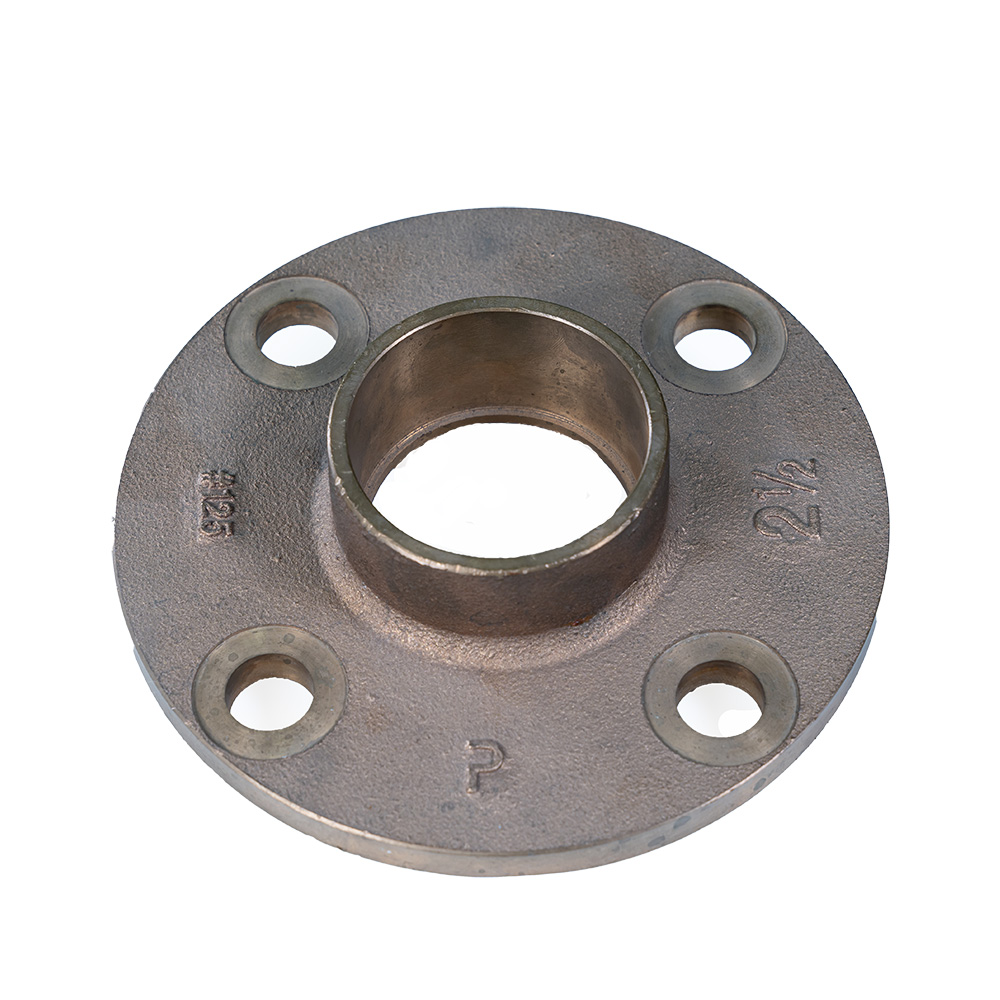
Several types of cast iron caps are available, each designed for specific applications. Threaded caps are ideal for quick and easy installation on threaded pipes. Flanged caps are used with flanged connections, offering a secure and leak-proof seal. Blind caps, as the name suggests, provide a completely sealed end, while reducer caps transition between different pipe sizes. Choosing the correct type depends on the pipeline configuration and pressure requirements. Pannext Fittings provides a comprehensive selection to meet diverse needs.
Pannext Fittings: Your Trusted Supplier
Pannext Fittings is committed to providing high-quality cast iron caps and other pipeline components. We offer a wide range of sizes, types, and coatings to meet your specific requirements. Our experienced team can assist you in selecting the right products for your application and ensure timely delivery. We prioritize customer satisfaction and adhere to stringent quality control standards. Partner with us for reliable, durable, and cost-effective solutions for your fluid handling needs.
Conclusion
Invest in Reliable Pipeline Protection
The cast iron cap is a small but mighty component in maintaining the integrity and efficiency of fluid handling systems. By choosing quality caps from a trusted supplier like Pannext Fittings, you're investing in the long-term reliability and safety of your operations.
Frequently Asked Questions (FAQs)
What coatings are available for cast iron caps to prevent corrosion?
Several coatings are commonly used to enhance the corrosion resistance of cast iron caps. Epoxy coatings provide excellent protection against a wide range of chemicals and environments. Zinc coatings (galvanization) offer sacrificial protection, corroding before the cast iron itself. Polyurethane coatings are known for their durability and resistance to abrasion. The choice of coating depends on the specific application and the expected exposure conditions. Pannext Fittings offers caps with various coating options to suit your needs.
How do I determine the correct size cast iron cap for my pipeline?
Accurately determining the pipe's nominal diameter is crucial. The cap's size should match the outside diameter of the pipe. Additionally, consider the pipe's schedule (wall thickness), as this can affect the fitting. If you're unsure, consult the pipe specifications or contact a knowledgeable supplier like Pannext Fittings for assistance. Using the wrong size cap can compromise the seal and lead to leaks.
What safety precautions should I take when installing cast iron caps?
Always wear appropriate personal protective equipment (PPE), including safety glasses and gloves, when handling cast iron caps. Ensure the pipeline is depressurized and isolated before installing or removing a cap. Use the correct tools for tightening and loosening threaded caps to avoid damaging the threads. For flanged caps, ensure the flanges are clean and properly aligned before bolting them together. Follow all relevant safety guidelines and regulations for your specific work environment.
Are cast iron caps suitable for use with potable water systems?
While cast iron itself is generally considered safe for potable water, it's crucial to ensure the cap has a suitable internal coating that meets drinking water standards. Epoxy coatings specifically designed for potable water applications are commonly used. Pannext Fittings offers cast iron caps with NSF-approved coatings for use in potable water systems. Always verify the coating's compliance with local regulations.
Post time: Mar-31-2026