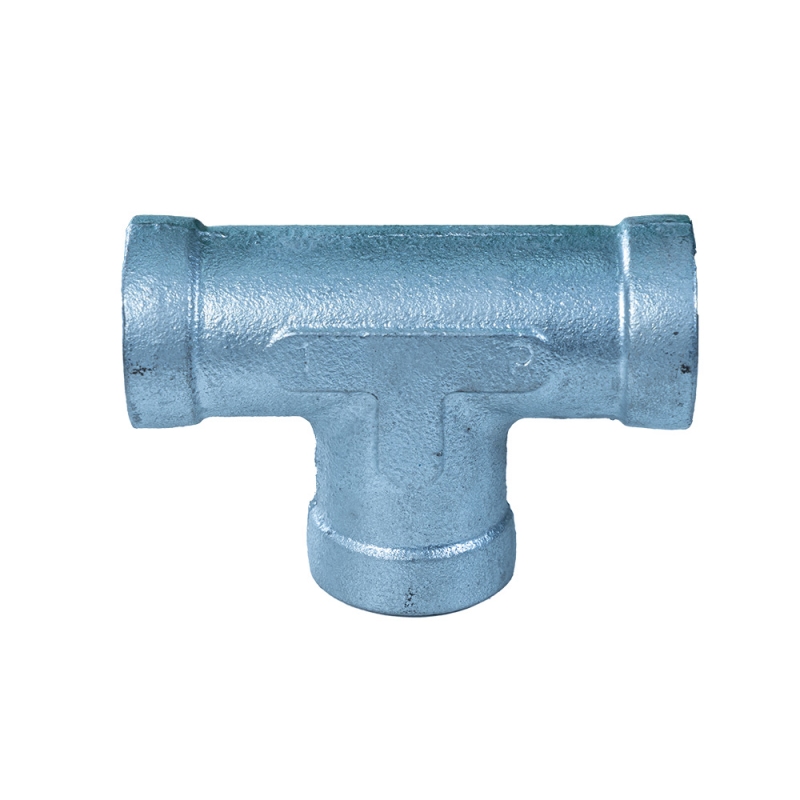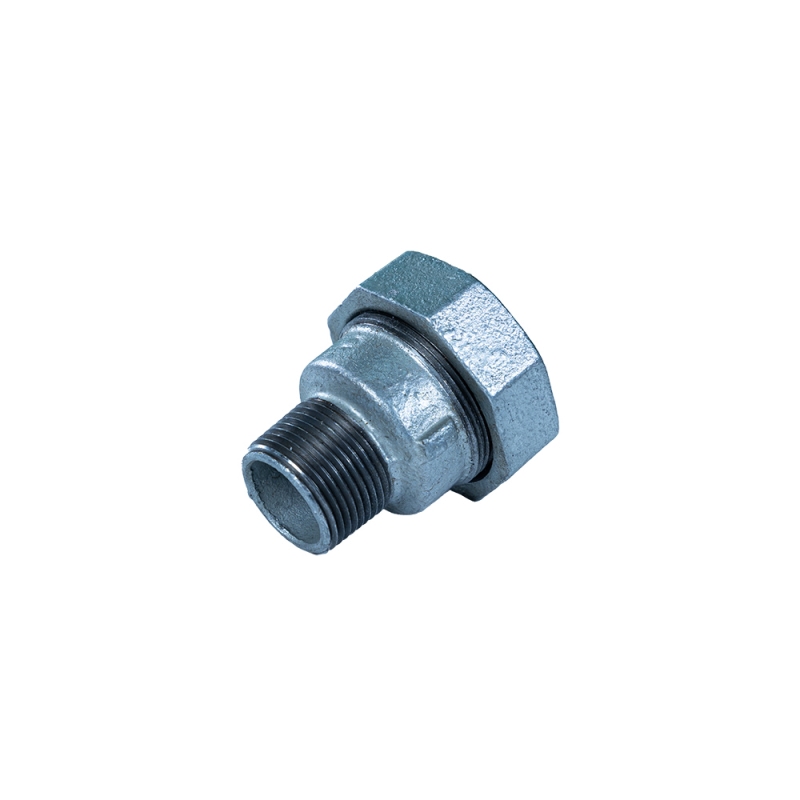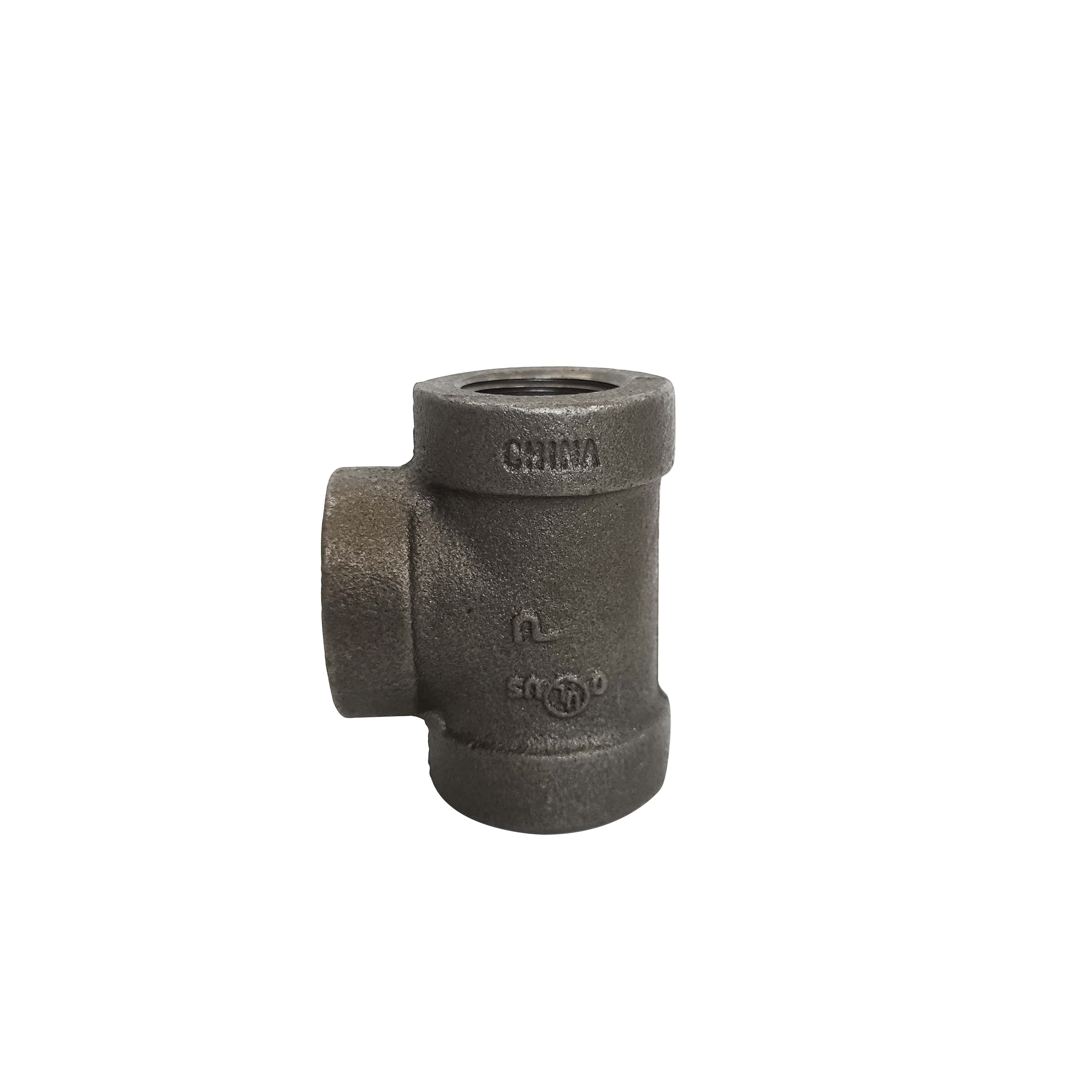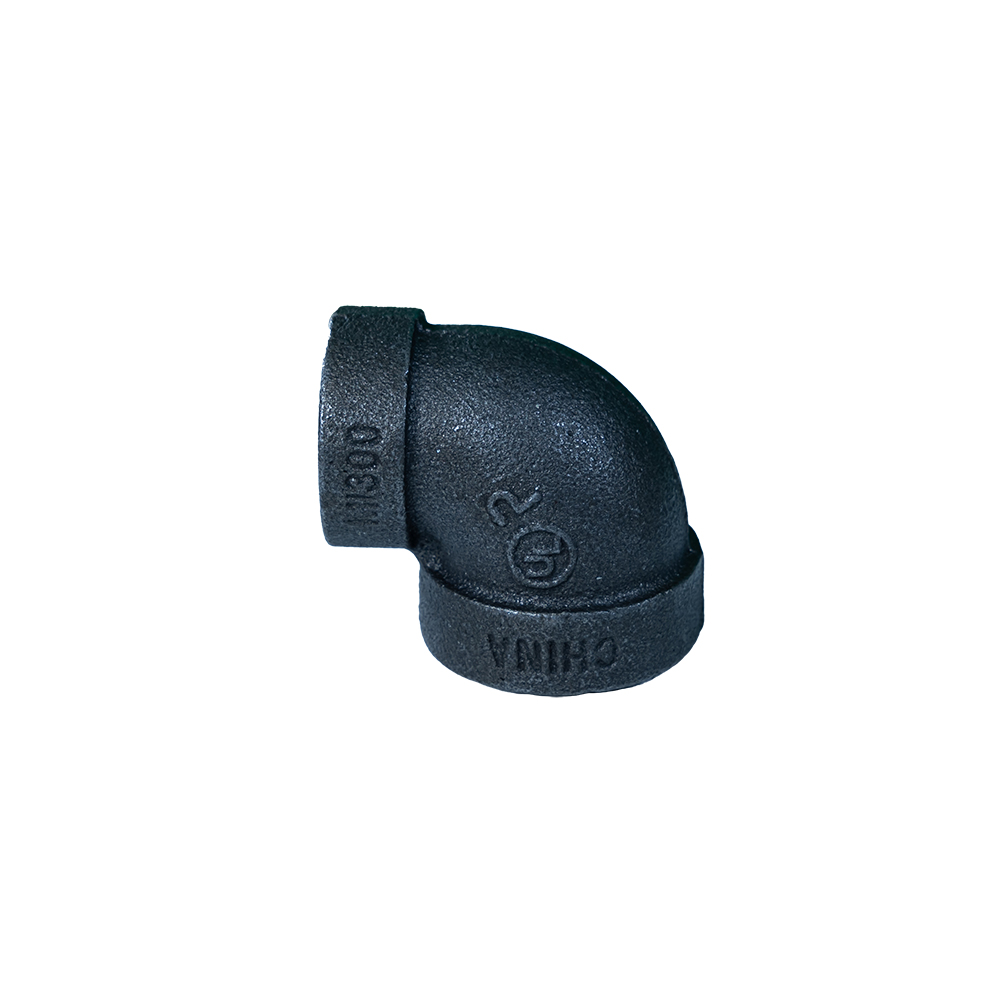

Understanding Cast Iron Pipe End Caps
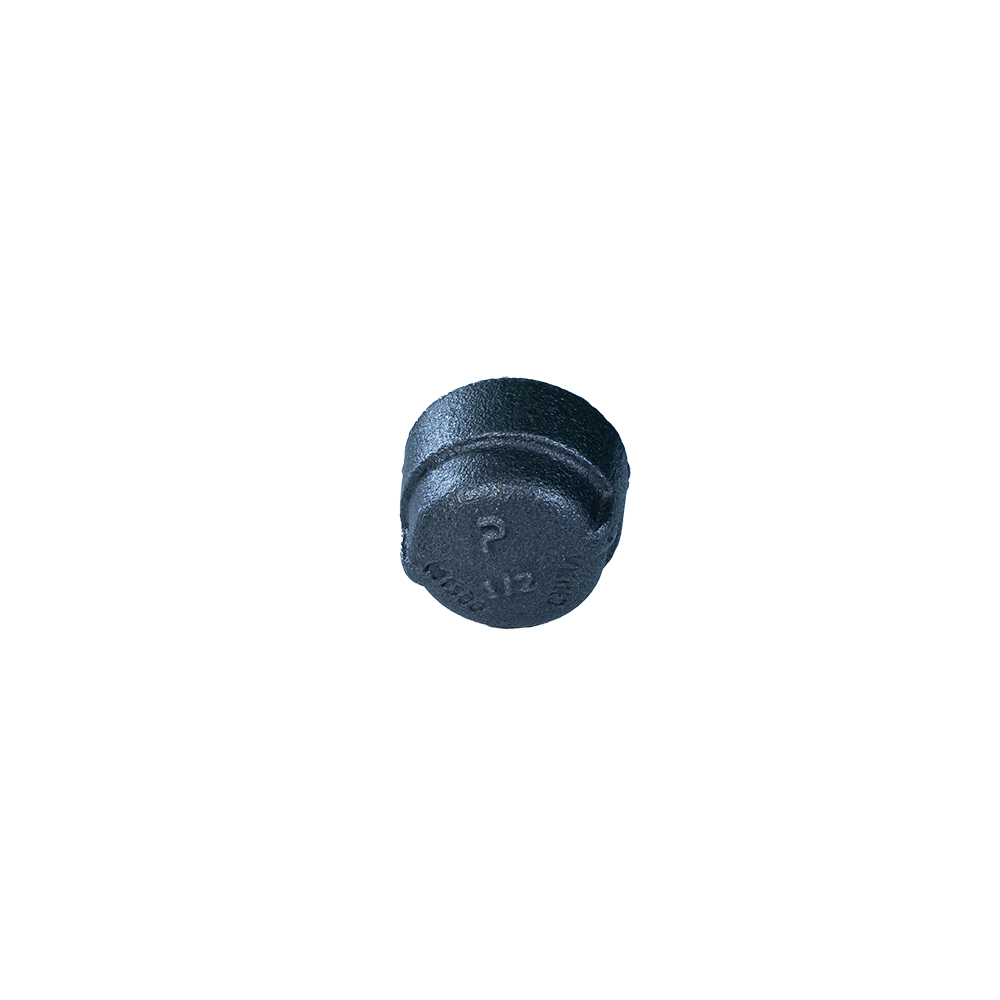
Cast iron pipe end caps are essential components in plumbing and industrial piping systems. These robust fittings securely seal the ends of cast iron pipes, preventing leaks and maintaining system integrity. They are used across a variety of applications, from wastewater management to irrigation. Choosing the right cast iron pipe end cap is critical for a long-lasting and efficient piping solution. This article will provide a comprehensive guide to these fittings, covering their types, applications, installation, and important considerations when making a purchase.
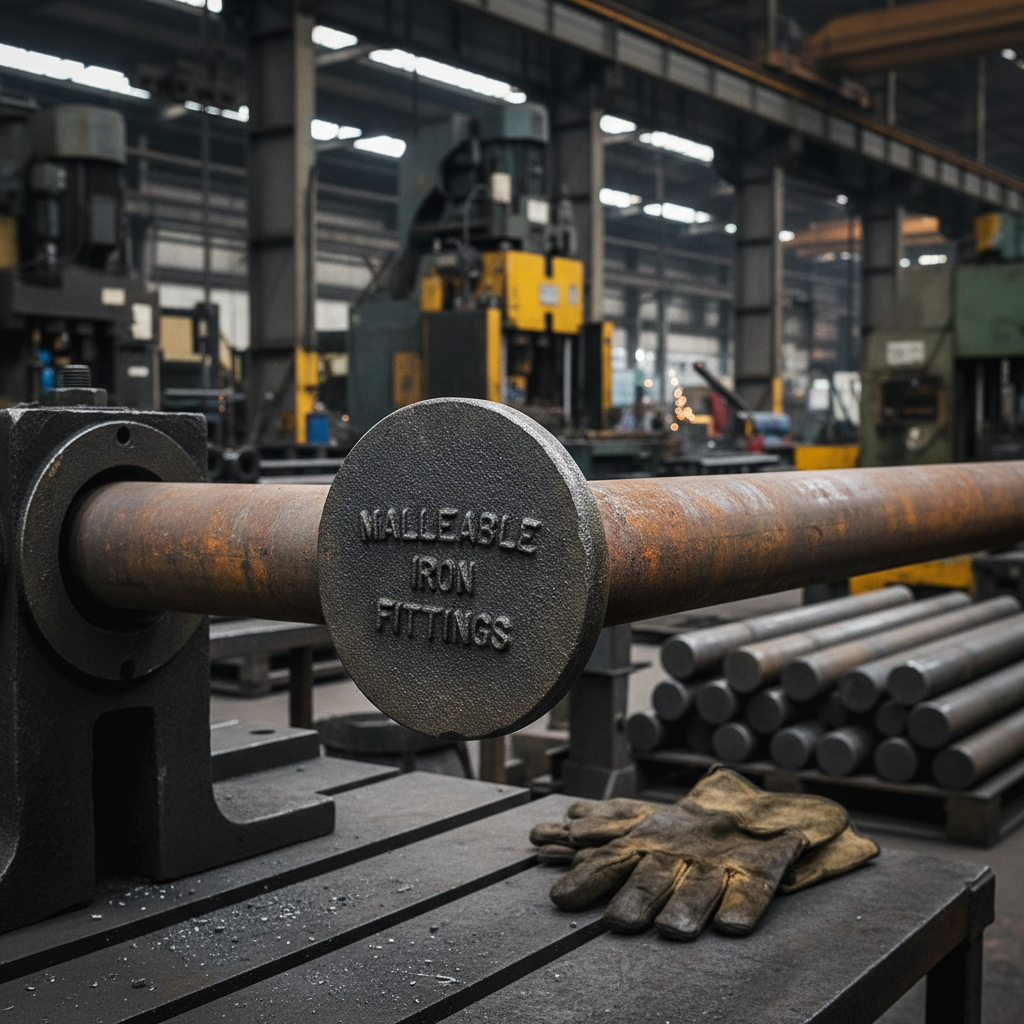
Types of Cast Iron Pipe End Caps
Cast iron pipe end caps come in several designs, each suited for specific needs and installation methods. The most common types include: threaded end caps, welded end caps, and mechanical joint end caps. Threaded end caps screw onto the pipe, providing a secure, removable seal. Welded end caps are permanently attached, offering maximum strength and leak resistance, often used in high-pressure applications. Mechanical joint end caps utilize gaskets and bolts for a secure connection, allowing for easier installation and maintenance.
Applications of Cast Iron Pipe End Caps
The versatility of cast iron pipe end caps allows them to be used in a wide range of applications. These include:
- Wastewater Treatment Plants: Sealing the ends of pipes in sewage systems.
- Water Distribution Systems: Terminating water lines and preventing contamination.
- Irrigation Systems: Capping off irrigation lines during the off-season.
- Industrial Piping: Providing robust seals for various industrial fluids and gases.
- Fire Protection Systems: Ensuring the integrity of fire sprinkler systems.
Choosing the Right Cast Iron Pipe End Cap
Selecting the correct end cap requires careful consideration of several factors, including pipe size, material, and application. It's crucial to match the end cap material to the pipe material – in this case, cast iron to cast iron. Threaded end caps are ideal for maintenance-friendly applications, while welded end caps offer superior strength. Consider the pressure and temperature requirements of the system, as well as any potential exposure to corrosive substances. Always verify the end cap meets relevant industry standards and certifications.
Key Considerations: Ensure compatibility with pipe size and material. Consider application pressure and temperature. Verify adherence to industry standards.
Cast Iron Pipe End Cap Specifications & Dimensions
Understanding the specifications of cast iron pipe end caps is vital for ensuring proper fit and function. The following table outlines common dimensions for various pipe sizes:
Installation Best Practices
Proper installation is crucial for a leak-free and durable connection. For threaded end caps, use pipe thread sealant to ensure a watertight seal. For welded end caps, ensure proper weld preparation and technique, adhering to relevant welding codes. Mechanical joint end caps require correct gasket placement and bolt tightening according to manufacturer's instructions. Always inspect the pipe and end cap for damage before installation. Pannext Fittings provides detailed installation guides and support.
Conclusion: Ensuring Long-Lasting Performance
Selecting and installing the right cast iron pipe end cap is essential for the longevity and efficiency of any piping system. By considering the application, pipe size, and installation methods, you can ensure a secure and reliable connection. Pannext Fittings offers a wide range of high-quality cast iron pipe end caps and expert support to meet your specific needs.
Frequently Asked Questions (FAQs)
What is the lifespan of a cast iron pipe end cap?
The lifespan of a cast iron pipe end cap depends on several factors, including the quality of the casting, the corrosiveness of the environment, and the frequency of temperature fluctuations. With proper installation and maintenance, a cast iron end cap can last for decades. However, regular inspections are crucial to identify any signs of corrosion or damage. Consider cathodic protection in highly corrosive environments to extend the lifespan. Pannext Fittings offers corrosion-resistant coatings for extended durability.
Can cast iron pipe end caps be used with different types of pipes?
While cast iron end caps are specifically designed for cast iron pipes, they can sometimes be adapted for use with other materials using appropriate transition fittings. However, it's crucial to ensure compatibility and prevent galvanic corrosion. Direct connection of dissimilar metals can lead to rapid deterioration. Using a dielectric union or sleeve is often recommended to isolate the metals and prevent corrosion. Always consult with a plumbing professional to ensure a safe and reliable connection.
What are the benefits of using welded end caps?
Welded end caps offer several advantages over other types of end caps. They provide the strongest and most leak-proof connection, making them ideal for high-pressure and critical applications. Welded connections are also more resistant to vibration and thermal expansion. However, they are permanent and require skilled welding expertise for proper installation. The initial cost may be higher due to the welding process, but the long-term reliability and security often outweigh the expense.
Post time: Apr-07-2026